


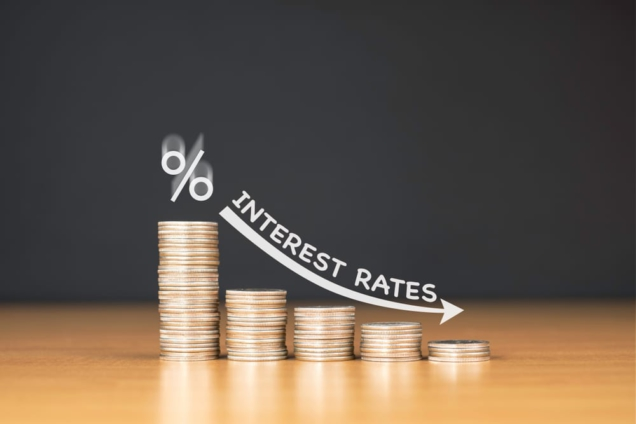
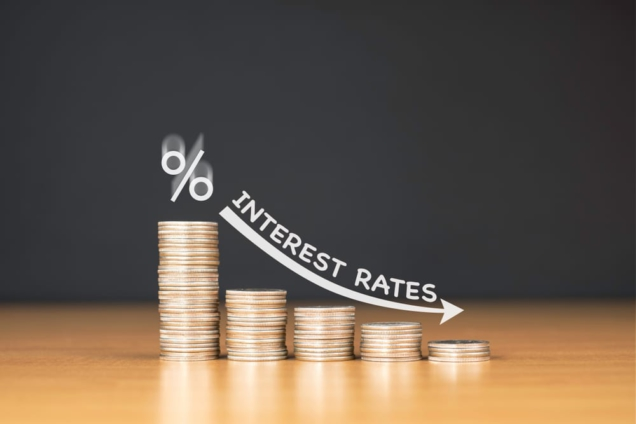
Ghana’s key lending benchmark has recorded its sharpest single-month decline in recent memory, falling nearly three percentage points to 11.71 percent for March 2026, a move that analysts say could trigger the most significant reduction in commercial bank lending rates the country has seen since the post-crisis recovery.
The Ghana Reference Rate (GRR), which commercial banks use to price loans, dropped from 14.58 percent in February to 11.71 percent in March. Industry sources say the fall was largely driven by a steep decline in Treasury bill yields into single-digit territory, alongside a marginal easing in the interbank rate.
The reduction in T-bill rates was partly attributed to the government’s fiscal consolidation programme, which has curtailed domestic borrowing, combined with excess liquidity building up in the banking sector.
The March GRR represents a dramatic reversal from where the rate stood just fourteen months ago. The GRR has fallen from 29.72 percent in January 2025, through 19.67 percent by August, to 15.9 percent by December, continuing its descent through 15.68 percent in January and 14.58 percent in February before the sharper March reduction.
The immediate commercial impact is already visible. Some banks are reportedly offering facilities to their most creditworthy customers at the GRR minus five percentage points, and borrowers on variable-rate facilities contracted in February are likely to see their repayment costs fall further in the coming days. The new rate could prompt one of the biggest downward revisions to lending rates ahead of the April 3 review window.
The GRR is calculated using three variables: the Bank of Ghana (BoG) Monetary Policy Rate (MPR), the 91-day Treasury bill yield, and the interbank lending rate. The BoG cut its MPR by 250 basis points to 15.5 percent at its January 2026 meeting, bringing borrowing costs to their lowest level since February 2022. T-bill yields have since moved further, with some March auctions clearing at around 5.3 percent.
The question now is how much of the GRR drop banks will pass on to borrowers. Average commercial bank lending rates currently stand between 21 and 22 percent, still roughly double the new GRR. BoG Governor Dr. Johnson Asiama has stated his ambition to see lending rates reach 10 percent by the end of 2026, an accelerated timeline that would represent a significant shift in Ghana’s credit environment.
However, with the country’s non-performing loan ratio standing at approximately 18 percent, well above comparable economies in the sub-region, banks are under pressure to price risk into their lending even as the benchmark rate falls. Borrowers on fixed-rate loans will not benefit automatically and would need to renegotiate with their lenders.
