

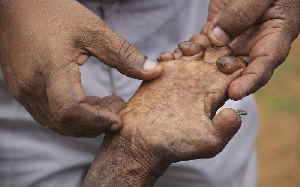
 Leprosy can take up to a decade before someone shows symptoms
Leprosy, also known as Hansen’s disease, is a chronic bacterial infection that primarily affects the skin, nerves, and peripheral parts of the body such as the hands, feet, and face.
Despite being an ancient disease, it remains present in Ghana, with 231 cases reported nationwide in 2022.
This GhanaWeb article provides insight into causes, symptoms and treatment of leprosy.
What causes leprosy?
Leprosy is caused by the bacterium Mycobacterium leprae. It spreads through droplets from the nose and mouth during close, prolonged contact with an infected person, similar to how respiratory illnesses are transmitted.
However, most people about 90% worldwide are naturally immune and will not contract the disease.
Those with weakened immune systems or prolonged exposure are at higher risk.
How long before symptoms appear?
Leprosy has a very long incubation period. It can take up to a decade before someone shows symptoms. This means individuals may unknowingly harbor the infection for years, potentially exposing others.
Early symptoms to watch for
• Hypopigmented (lighter-colored) patches on the skin
• Loss of sensation in affected areas
• Dry skin and lack of sweating in affected regions
• Facial changes, including difficulty closing eyelids in advanced cases
221 new leprosy cases recorded nationwide last year
Because early symptoms can be subtle, it is important for one to visit a clinic for diagnosis. A layperson may not know it’s leprosy until deformities start to appear.
Who is most affected?
Leprosy is more common in poorer communities where overcrowding and malnutrition compromise immunity.
In Ghana, the Upper East and Upper West regions report the highest number of cases each year.
Treatment and Cure
The good news; leprosy is completely treatable. Free multidrug therapy is available in Ghana, and patients who complete treatment can return to their communities fully cured. Early detection is key to preventing disabilities.
GHS strategy to combat leprosy
The Ghana Health Service continues to:
• Educate communities about early signs and symptoms
• Provide clinical diagnosis and free treatment at leprosariums
• Conduct contact tracing to prevent further spread
• Address stigma, ensuring patients are treated with dignity
Anyone noticing unusual skin changes, numbness, or other symptoms must seek medical attention immediately.
Early diagnosis and treatment save lives, prevent deformities, and stops the disease from spreading.
Leprosy may be a neglected tropical disease, but with awareness, timely treatment, and community support, it is a fully manageable condition.
Watch the video below
Leprosy Explained: What it is, how it’s treated, and why the stigma must end
MRA/MA
NACOC breaks silence on alleged senior manager behind cocaine bust at the airport

