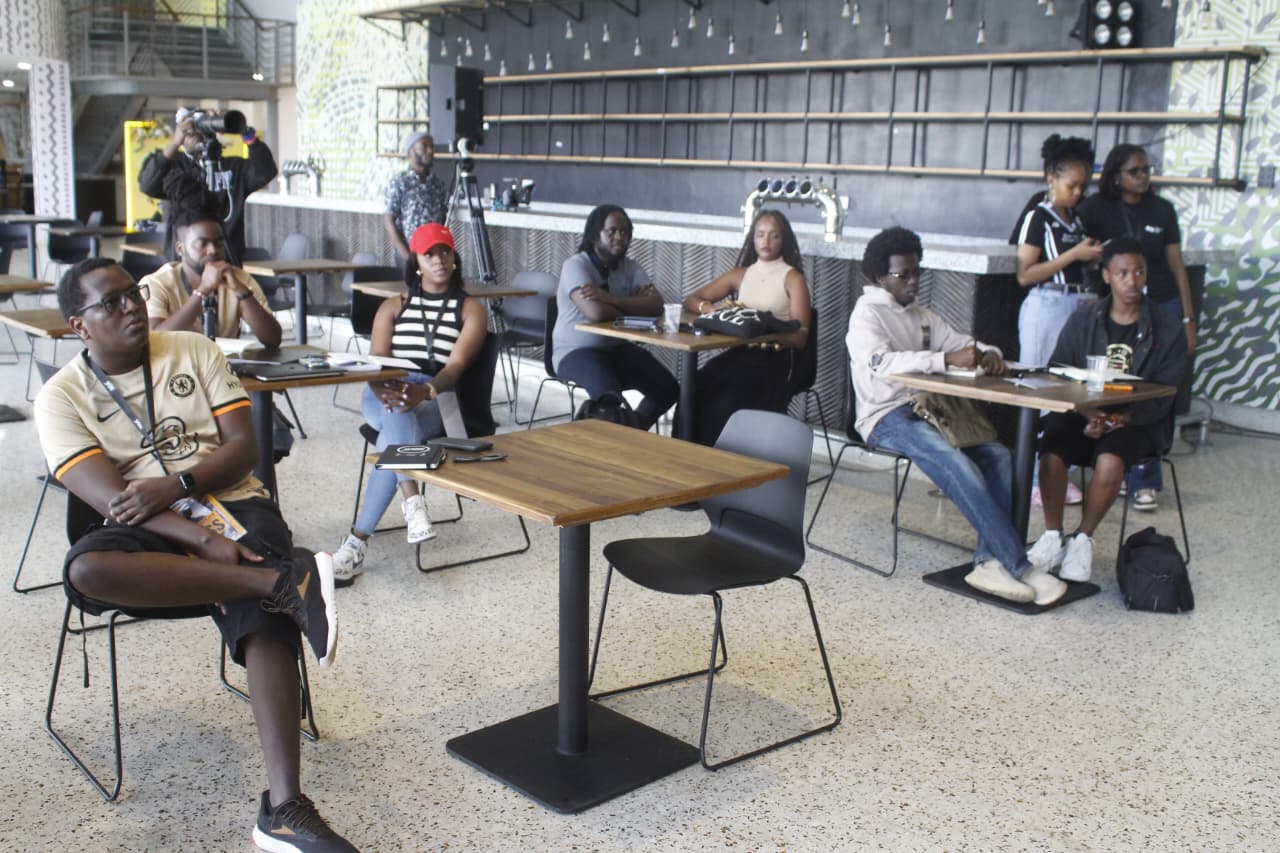
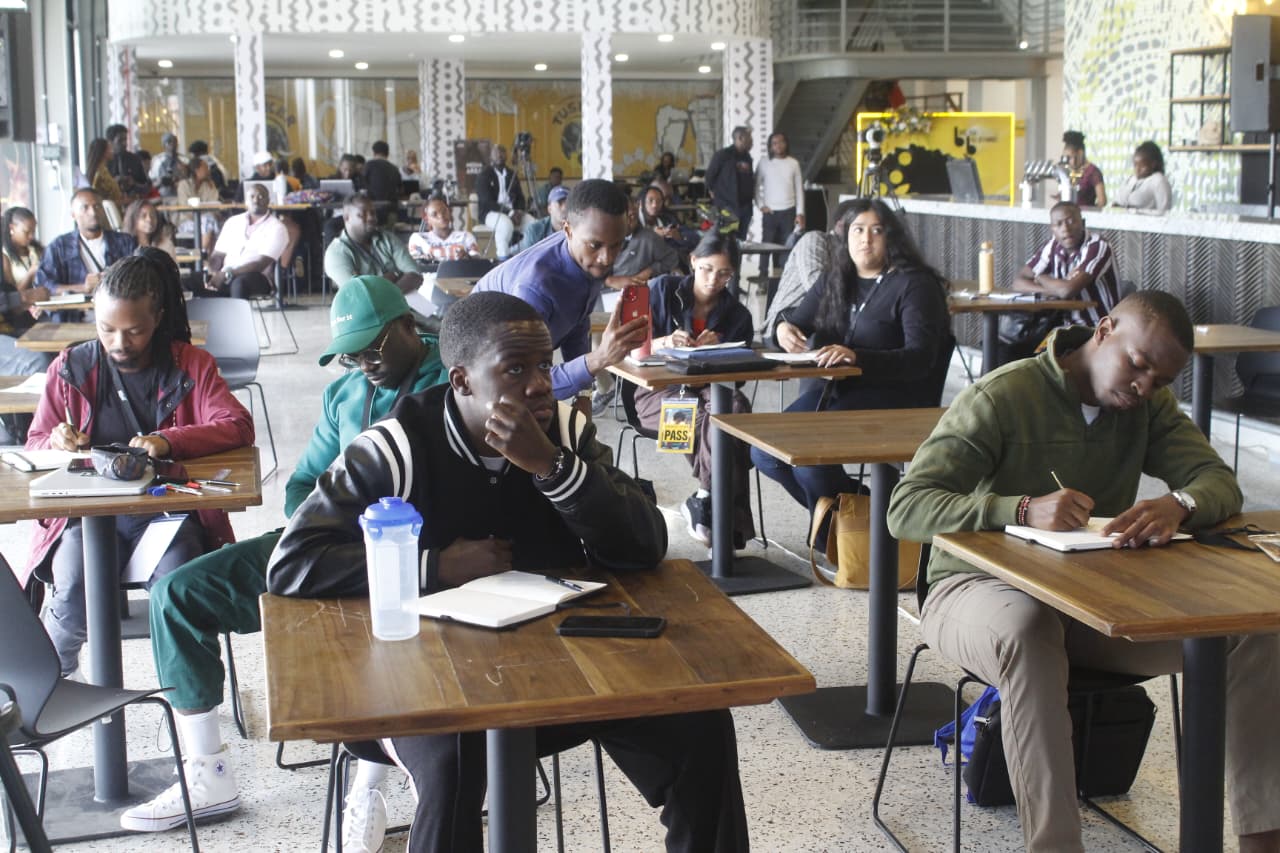
Emuron Alemu, the Cannes Lion representative from Kenya, during a press brief./MOSES MATIBA
Kenya’s creative industry is once again in the global spotlight as the Cannes Young Lions Competition returns for its second year, bringing together the country’s most promising young creatives across film, design, and digital categories.
The competition, officially represented in Kenya by Emuron Alemu, is part of the wider Cannes Lions International Festival of Creativity, the world’s most prestigious platform for advertising and brand communication.
According to Alemu, the selection process for this year’s competitors was highly competitive.
Hundreds of teams submitted portfolios through an international judging platform, after which a shortlisting jury composed of senior industry experts narrowed the entries down.
“We now have 42 competitors across three categories,” he explained. From this pool, three winning teams, six creatives in total, will be selected to represent Kenya at the global Young Lions Competition in Cannes, France, in June.
Safaricom has returned as the title sponsor for the second consecutive year, reaffirming its long-term commitment to Kenya’s creative economy.
Speaking at the event, Safaricom Brand and Marketing Director Zizwe Awuor said the partnership goes beyond sponsorship.
“Consistency is how you create impact,” she said. “We believe Kenyan creatives have some of the best ideas in the world, and this platform allows them to be seen, challenged, and celebrated.”
The briefs issued to competitors are based on real Safaricom business challenges, particularly around youth culture, sports, and digital engagement.
Awuor explained that this approach allows Safaricom to remain culturally relevant while giving creatives an opportunity to solve real-world problems.
“It’s about merging powerful ideas with practical execution that Kenyans can engage with,” she added.
As a jury member, Awuor emphasised that winning ideas must start with a strong, disruptive concept before moving into execution.
She also addressed the role of artificial intelligence in the competition, encouraging its use as a tool rather than a crutch. “AI can help scale and enhance ideas, but it cannot replace the human spark,” she said.
“The big idea must come from the creative.”
Duncan Lubanga and David Odipo, participants in the Digital category, also shared their excitement at being among the 42 shortlisted competitors.
They noted that the 24-hour challenge to complete the given task mirrors the pressure of the global competition.
“Twenty-four hours, so many ideas, so many concepts, and you still have to be as simple as possible, just like those who have won abroad,” Odipo said. “It’s intense, but it’s doable.”
Reflecting on lessons from last year, Alemu highlighted visa challenges that prevented some Kenyan winners from travelling to France despite earning their spots fairly.
He described this as a broader barrier facing African creatives and said the competition has since been scheduled earlier to allow more preparation time. “Removing these barriers is critical,” Alemu said. “The world deserves to see Kenyan talent.”
As this year’s competition unfolds, the message is clear: Kenya’s creatives are ready not just to participate, but to compete and win on the world stage.
Zizwe Awuor, one of the jury and the Brand and Marketing director at Safaricom./MOSES MATIBA


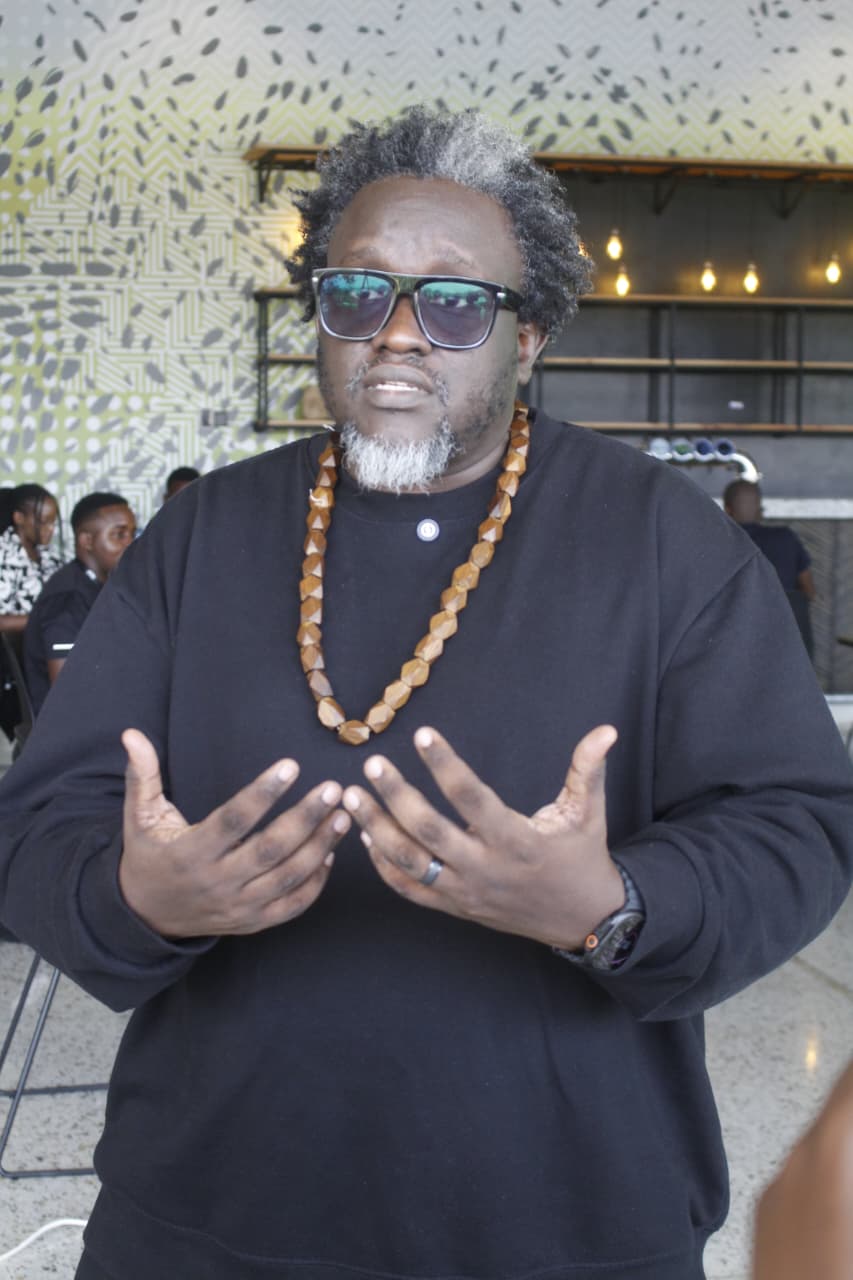 Emuron Alemu, the Cannes Lion representative from Kenya, during a press brief./MOSES MATIBA
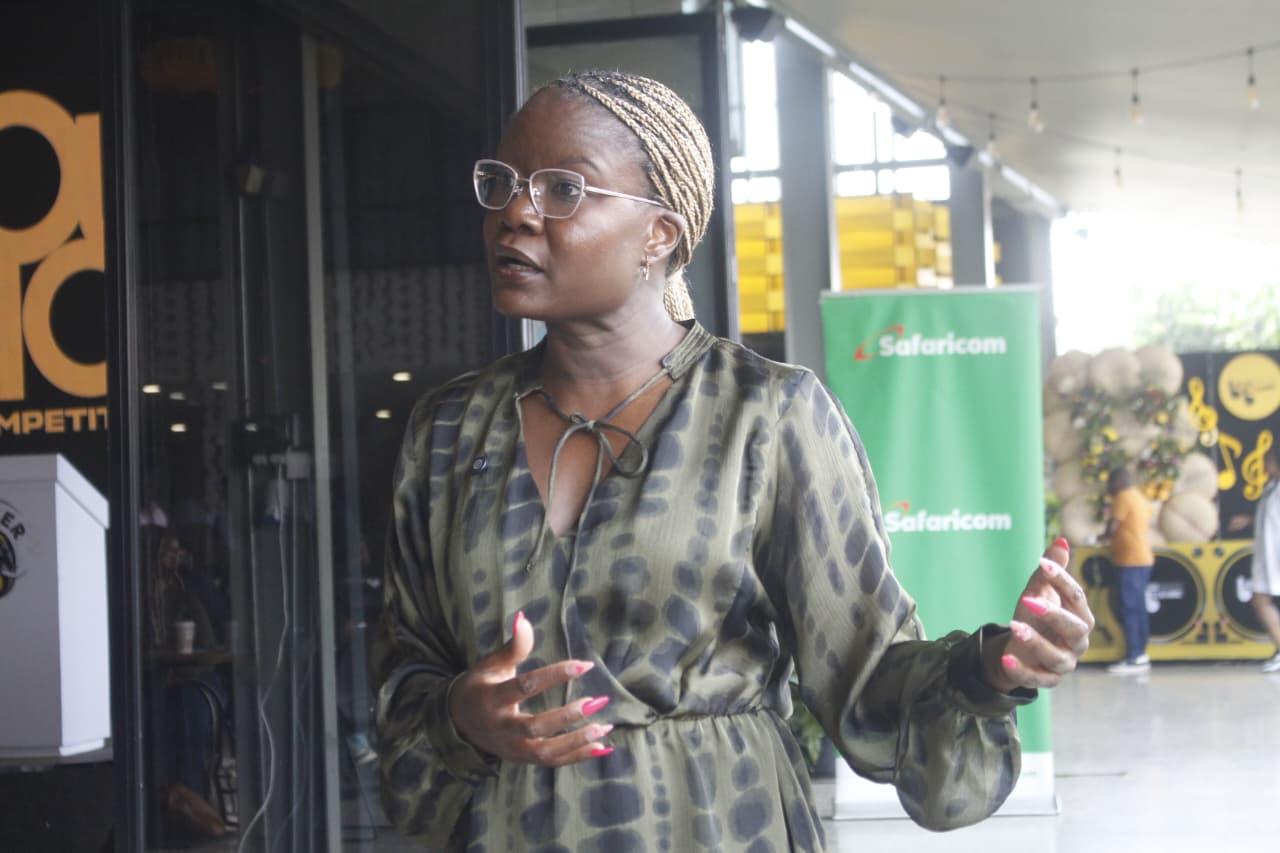 Zizwe Awuor, one of the jury and the Brand and Marketing director at Safaricom./MOSES MATIBA