

Rivers and Lagos states recorded the highest rates of alcohol consumption among minors and underage persons in Nigeria, with more than half obtaining alcoholic drinks themselves, according to a nationwide survey released Tuesday by the National Agency for Food and Drug Administration and Control (NAFDAC).
The study, titled Underage Drinking and Abuse of Alcohol: Access to Alcohol and Frequency of Consumption, examined alcohol abuse patterns through a survey of consumers and retailers across six states. The research involved 1,788 respondents from Gombe, Kaduna, Federal Capital Territory, Anambra, Lagos and Rivers states, conducted between June and August 2021 by Research and Data Solutions Limited in collaboration with the Distillers and Blenders Association of Nigeria (DIBAN).
Professor Mojisola Adeyeye, NAFDAC Director-General, said 54.3 per cent of minors and underage respondents obtained alcohol by themselves, with Rivers State recording the highest rates at 68.0 per cent for sachets and 64.5 per cent for bottles. Lagos followed with 52.3 per cent and 47.7 per cent respectively, while Kaduna recorded 38.6 per cent sachet and 28.4 per cent bottle consumption.
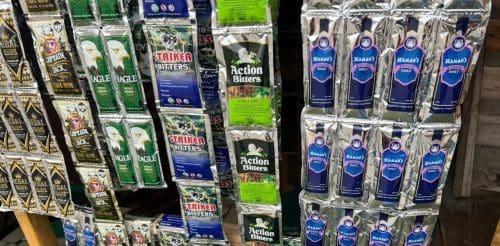
The survey categorised respondents by age: minors below 13 years, underage persons aged 13 to 17 years, and adults aged 18 years and above. Nearly half of young respondents purchased drinks in sachets or Polyethylene Terephthalate (PET) bottles, formats the agency described as easily concealed and affordable.
Adeyeye noted that the availability and easy access to alcohol have been identified as a contributory factor to the increasing alcohol consumption among minors. The report found that alcohol procurement in sachets was higher among males at 51.4 per cent compared to females at 41.5 per cent, and more prevalent in rural areas at 50.1 per cent compared to urban locations at 45.3 per cent.
Beyond direct purchases, minors and underage respondents accessed alcohol through friends and relatives at 49.9 per cent, social gatherings at 45.9 per cent, and parents’ homes at 21.7 per cent, according to the findings.
The survey revealed concerning drinking patterns, with 63.2 per cent of minors and 54.0 per cent of underage persons classified as occasional drinkers. However, 9.3 per cent of minors and 25.2 per cent of underage respondents reported consuming alcohol daily, raising public health concerns about early addiction risks.
Adeyeye stated that the ban on small pack sizes is not punitive but protective, aimed at safeguarding the health and future of children and youth. The report recommended banning sachets and bottles below 200 millilitres to reduce underage access, arguing that small pack sizes make alcohol easier to conceal from parents and teachers.
NAFDAC has announced enforcement of a ban on alcoholic beverages in sachets and small-volume containers below 200 millilitres. In December 2018, the agency signed a five-year Memorandum of Understanding with the Federal Ministry of Health, Federal Competition and Consumer Protection Commission, Association of Food, Beverage and Tobacco Employers, and DIBAN to phase out such packaging by January 2024. The deadline was later extended to December 2025.
The enforcement has faced resistance from industry groups who warn of economic consequences. Last month, coalitions representing manufacturers protested the implementation, citing concerns about job losses and compliance with government directives.
The survey called for stronger policy interventions and sustained public awareness campaigns involving parents, teachers, religious leaders and communities. NAFDAC said the findings highlight an urgent need to address alcohol accessibility in both urban and rural areas across Nigeria.

