10.8 C
London
Saturday, April 4, 2026
Home Blog Page 80

Meta smart glasses footage allegedly viewed by Kenya AI contractors

0

NEWYou can now listen to Fox News articles!

Smart glasses promise a future where technology blends into everyday life. You can ask a question, snap a quick video or identify what you are looking at in seconds. It sounds convenient. However, a new investigation suggests the experience may come with a privacy tradeoff many users never expected.

According to an investigation by Swedish newspapers Svenska Dagbladet and Göteborgs-Posten, contractors reviewing AI data in Nairobi, Kenya, may have seen highly personal footage captured by Meta’s AI-powered smart glasses. In some cases, the videos reportedly showed bathroom visits, sexual activity and other intimate moments.

The allegations have already sparked legal action and renewed debate about how AI systems are trained.

Mark Zuckerberg speaks at Meta Connect 2025

Meta Platforms CEO Mark Zuckerberg sported a pair of Meta Ray-Ban Display AI glasses while speaking at the Meta Connect event in Menlo Park, California, on Wednesday, Sept. 17, 2025. As part of its push to make smart glasses a mainstream device, the company introduced its first model featuring an integrated display. (David Paul Morris/Bloomberg via Getty Images)

Sign up for my FREE CyberGuy Report Get my best tech tips, urgent security alerts and exclusive deals delivered straight to your inbox. Plus, you’ll get instant access to my Ultimate Scam Survival Guide — free when you join my CYBERGUY.COM newsletter     

Report claims Meta smart glasses captured private moments

The investigation focused on people who work as AI annotators. These workers review images, video or audio so artificial intelligence systems can better understand what they are processing. In simple terms, they help train the AI. Workers interviewed for the report said they sometimes review video captured by Meta’s smart glasses. According to the investigation, the footage can include extremely personal scenes recorded in everyday environments. One annotator told reporters they see everything from living rooms to naked bodies. Another worker said faces are supposed to be blurred automatically in the footage. However, the blurring reportedly fails at times, leaving some identities visible. In some clips, workers also said they could see credit cards or other sensitive details.

Why human reviewers analyze Meta smart glasses data

Many people assume AI systems learn entirely on their own. In reality, human reviewers often play a major role in training them. AI annotators help label what appears in images, identify spoken words and verify whether an AI response is correct. Without that human input, the system struggles to improve. Meta’s smart glasses include an AI assistant that answers questions about what a user is seeing. For example, a wearer might ask the glasses to identify a landmark or explain what an object is. To make those answers accurate, the system sometimes relies on training data reviewed by humans.

Meta responds to smart glasses privacy concerns

Meta says media captured by its smart glasses remains on the user’s device unless the user chooses to share it.

A Meta spokesperson provided the following statement to CyberGuy:

Ray-Ban Meta glasses help you use AI, hands free, to answer questions about the world around you. Unless users choose to share media they’ve captured with Meta or others, that media stays on the user’s device. When people share content with Meta AI, we sometimes use contractors to review this data for the purpose of improving people’s experience, as many other companies do. We take steps to filter this data to protect people’s privacy and to help prevent identifying information from being reviewed.”

Ray-Ban Meta glasses include an LED indicator light that activates whenever photos or videos are recorded, helping signal to people nearby that content is being captured. The company’s terms of service also state that users are responsible for following applicable laws and using the glasses in a safe and respectful manner. That includes avoiding activities such as harassment, infringing on privacy rights or recording sensitive information.

Meta has also been in contact with Sama, a company that provides AI data annotation services. According to information shared by Meta, Sama said it is not aware of workflows where sexual or objectionable content is reviewed or where faces or sensitive details remain consistently unblurred. Meta is continuing to investigate the matter.

Mark Zuckerberg Meta Superintelligence

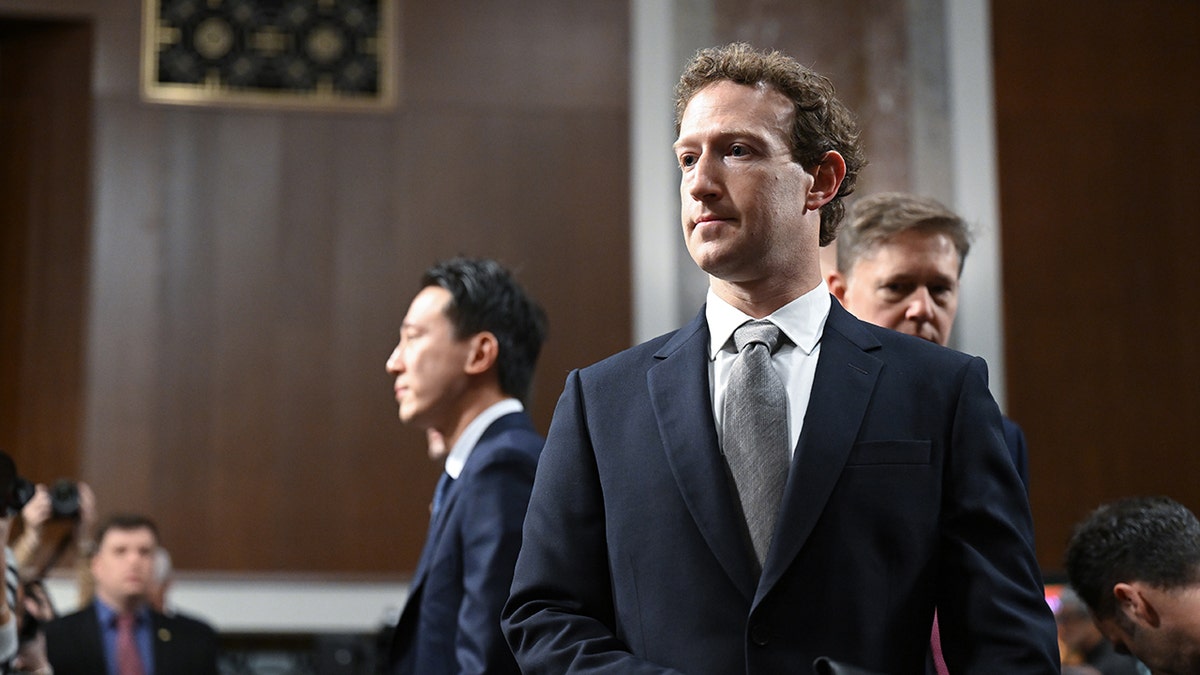
Meta CEO Mark Zuckerberg appears at the Dirksen Senate Office Building in Washington, D.C., on Wednesday, Jan. 31, 2024, to testify before the Senate Judiciary Committee alongside other social media executives. (Matt McClain/The Washington Post via Getty Images)

Privacy policy changes added to the concern

The controversy arises as Meta has expanded the capabilities of its AI glasses. The glasses, created with eyewear giant EssilorLuxottica, include a camera and an AI assistant that responds to voice questions. Sales have surged. The company reportedly sold more than 7 million pairs in 2025, a dramatic increase compared with earlier years. At the same time, Meta updated its privacy policies. One change keeps the AI camera features active unless users turn off the Hey Meta voice command. Another removes the ability to opt out of storing voice recordings in the cloud. For privacy advocates, those changes make the investigation more troubling.

FACIAL RECOGNITION GLASSES TURN EVERYDAY LIFE INTO CREEPY PRIVACY NIGHTMARE

What this means to you

If you use smart glasses or similar wearable technology, the report highlights an important reality. AI devices often collect more information than people realize. When people share content with AI systems, human reviewers may analyze that material to help improve the technology. That means the footage captured by your device may be seen by someone else during the training process. Wearable cameras also record everyday life, which makes it easy for private or sensitive moments to be captured unintentionally. Even when companies use tools to blur faces or hide identifying details, those systems do not always work perfectly. As a result, personal information can sometimes still appear in the footage. Privacy policies also evolve as companies roll out new AI features. Staying aware of those updates can help you decide how comfortable you are with the technology you are using.

Take my quiz: How safe is your online security?

Think your devices and data are truly protected? Take this quick quiz to see where your digital habits stand. From passwords to Wi-Fi settings, you’ll get a personalized breakdown of what you’re doing right and what needs improvement. Take my Quiz here: Cyberguy.com       

Mark Zuckerberg at Meta Connect event

Meta CEO Mark Zuckerberg wears the Meta Ray-Ban Display glasses while speaking at the company’s headquarters in Menlo Park, California, on Sept. 17, 2025, where he introduced the latest lineup of smart glasses during the Meta Connect event. (REUTERS/Carlos Barria)

Kurt’s key takeaways

Smart glasses are quickly moving from novelty to everyday gadget. The idea of having AI help you understand the world around you is undeniably appealing. However, the same technology that makes these devices powerful also raises complicated privacy questions. Cameras that are always within reach, AI systems that learn from real-world footage and human reviewers who help train those systems create a chain of data that many users rarely think about. As smart wearables become more common, transparency about how that data is used will matter more than ever.

So here is the bigger question. Would you feel comfortable wearing AI glasses if someone halfway around the world might review the footage your device captures? Let us know by writing to us at Cyberguy.com

CLICK HERE TO DOWNLOAD THE FOX NEWS APP

Sign up for my FREE CyberGuy Report Get my best tech tips, urgent security alerts and exclusive deals delivered straight to your inbox. Plus, you’ll get instant access to my Ultimate Scam Survival Guide — free when you join my CYBERGUY.COM newsletter 

Copyright 2026 CyberGuy.com.  All rights reserved.  

Related Article

Meta unveils new AR glasses with heart rate monitoring

Gbi Traditional Council holds first general meeting, inducts Togbe Buami

0

By Maxwell Awumah, GNA 

Ho, March 8, GNA – The Gbi Traditional Council has held its first General Meeting of 2026, attended by its members and other distinguished guests including Togbe Tepre Hodo IV, the President of the Volta Region House of Chiefs. 

Togbega Gabusu VIII, the President of the Gbi Traditional Council, presiding, in a welcome address, expressed his appreciation to the Council for their continuous leadership and attendance.  

He urged members to collaborate and cooperate with each other, to ensure that the continuous progress of the Council in the discharge of its responsibilities, particularly in matters relating to chieftaincy administration. 

Togbe Hodo, also Paramount Chief of the Anfoega Traditional Area, shared his perspectives on chieftaincy administration and the role of traditional authorities in promoting national development.  

He praised the president and the Council members for inviting him to participate in the event and encouraged the chiefs to remain united, embracing togetherness as a vital tool for development within the Gbi Traditional Area.  

Togbe Tepre Hodo paid a glowing tribute to the traditional area and expressed contentment that Gbi remained one of the peaceful traditional areas in the region, without chieftaincy disputes.  

He urged members to sustain this record by maintaining peaceful coexistence, forge unity, and mutual respect, emphasizing that without unity and cooperation, development within the traditional area would be elusive. 

A key highlight of the meeting was the induction of Togbe Buami IX, the Divisional Chief of Gbi-Bla and Gbi Dusimefia (Right-Wing Chief of Gbi Traditional Area), into the Gbi Traditional Council.  

Togbe  Hodo, who also serves as a Notary Public, administered the Oath of Membership, the Judicial Oath, and the Oath of Secrecy, to formally induct Togbe Buami as a member of the Council. 

Mr Muhammed Ikililu, the Registrar of the Volta Region House of Chiefs, thanked the members of the Council for their steadfastness and urged them to remain united to ensure the continued progress of the Traditional Council.  

He advised the newly inducted member to remain impartial in the discharge of his duties as a traditional leader and as a member of the Council.  

He noted that his responsibilities now extended beyond his divisional area and required him to serve with fairness and integrity, without fear or favour.  

He reminded him of the importance of maintaining confidentiality in matters that come before the Council, particularly when serving on the Judicial Committee. 

The Registrar encouraged members of the Council to always approach issues with respect and decorum.  

He urged them to accord respect to their President, the Paramount Chief of the area, and to seek his advice and counsel, whenever concerns arose.  

The Registrar said addressing issues through proper channels helped in preventing rumour-mongering and grapevine communication, which often undermined peace, unity, and development within traditional settings. 

Mr Prosper Kumi, the Municipal Chief Executive of Hohoe, wished the Traditional Council well and pledged his administration’s support to the Council. 

Togbe Buami, also the Public Affairs Director of the University of Health and Allied Sciences (UHAS), also thanked Togbe Tepre Hodo, Togbega Gabusu and all other major actors for the honour done him and pledged his unalloyed support to the Council. 

The meeting ended with a renewed commitment by members to work together to promote peace, unity, and development within the Gbi Traditional Area. 

GNA 

Edited by Christabel Addo

Release El-Rufai or file charges now

0

The Coalition Political Action Committee has urged the Federal Government of Nigeria to either file formal charges against Nasir El-Rufai or release him immediately, warning that any continued detention beyond the legally permitted period would violate the Nigerian Constitution and international human rights law.

COPAC made the statement through its convener, Aminu Datti-Ahmed, in Abuja on Sunday, emphasising that the rule of law cannot be suspended for political convenience.

El-Rufai voluntarily responded to an invitation from the Economic and Financial Crimes Commission on February 16 and remained in custody until the night of February 18, after which he was transferred to the Independent Corrupt Practices Commission for further investigation into alleged financial misconduct and related offences.

Since then, he has remained in detention.

COPAC stressed that investigative detention is strictly temporary and must either lead to formal charges before a competent court or be immediately released within a reasonable timeframe.

“The 14-day remand order obtained in the case involving Nasir El-Rufai has expired. That order was granted for a specific and limited purpose: to allow investigators to complete their work within a defined constitutional window. It was not a licence for indefinite detention, procedural manipulation, or political theatre,” COPAC stated.

The coalition cited Section 35 of the Constitution of the Federal Republic of Nigeria, noting that the liberty of every citizen is legally protected. It warned that any action outside these legal options would be illegal and unconstitutional, rendering continued detention an abuse of state power and a violation of citizens’ constitutional rights.

COPAC also expressed concern over a growing trend in Nigeria where state institutions allegedly use investigative powers selectively against political figures.

It referenced international human rights law, including Article 9 of the International Covenant on Civil and Political Rights and Article 6 of the African Charter on Human and Peoples’ Rights, which prohibit arbitrary arrest and detention.

The coalition further called on opposition leaders, including Atiku Abubakar, Peter Obi, Aminu Tambuwal, Rotimi Amaechi, and Rabiu Kwankwaso, along with all democratic actors, to speak out against any harassment or clampdown on opposition figures.

“This is not about El-Rufai. It is about ensuring the law applies equally to all. The Constitution is not optional, and the rule of law must never become a selective weapon,” COPAC warned.

The coalition concluded by urging the federal government to either press charges if there is evidence or immediately release El-Rufai, reinforcing that Nigeria is a constitutional democracy, not a police state.

NDC, NPP and other stakeholders must issue position papers on constitution review report – Barker-Vormawor

0

Oliver Barker-Vormawor, Constitutional and Strategy Advisor for Democracy Hub, has urged political parties and key stakeholders to contribute meaningfully to national discussions on the report of the Constitution Review Committee (CRC).

Speaking on The Law on JoyNews on Sunday, 8 March, he emphasised the importance of broad national engagement with the committee’s recommendations.

According to him, political parties should be willing to reconsider their existing positions on the CRC report and allow room for further dialogue and consensus-building.

“What I think is that the National Democratic Congress outside of government should ignore their own position paper on the CRC report,” he said.

He added that other political actors must also present their views to enrich the national conversation on constitutional reforms.

“The New Patriotic Party, I think, should do so, and other stakeholders should also issue their position papers,” he stated, noting that the reform process would benefit from diverse perspectives.

Mr Barker-Vormawor further stressed that the Constitution Review Committee, chaired by Henry Kwasi Prempeh, has provided a framework that should spark constructive debate rather than partisan disagreement.

He said sustained dialogue among political parties, civil society organisations and the wider public would be essential to ensure that the proposed constitutional reforms reflect the collective aspirations of Ghanaians.

DISCLAIMER: The Views, Comments, Opinions, Contributions and Statements made by Readers and Contributors on this platform do not necessarily represent the views or policy of Multimedia Group Limited.

DISCLAIMER: The Views, Comments, Opinions, Contributions and Statements made by Readers and Contributors on this platform do not necessarily represent the views or policy of Multimedia Group Limited.

Landlord Rules in Kenya: Can They Ban Visitors or Lock You Out?

0

From 10 PM curfews to restrictions on who can visit your home, many Kenyan tenants live under estate rules that may actually be illegal. Advocate Danstan Omari breaks down the constitutional protections that safeguard your privacy, and identifies the specific instances where a landlord can, and cannot, legally interfere in your living arrangements.

The moment you pay rent, you are not simply occupying a space on someone's goodwill


The moment you pay rent, you are not simply occupying a space on someone’s goodwill

'Quiet enjoyment' protects tenants from landlords who want to micromanage their lives


‘Quiet enjoyment’ protects tenants from landlords who want to micromanage their lives

In certain situations, the landlord has every right to step in


In certain situations, the landlord has every right to step in

The Rent Tribunal can delegate its powers to local administrative officers for properties where monthly rent does not exceed 200 shillings


The Rent Tribunal can delegate its powers to local administrative officers for properties where monthly rent does not exceed 200 shillings

Kenya forex reserves Rise by Sh266bn after Eurobond boost

0

NAIROBI, Kenya, Mar 7 – Kenya’s foreign exchange reserves have increased to $14.59 billion (Sh1.88 trillion), providing 6.2 months of import cover, according to the latest update by the Central Bank of Kenya.

In its weekly bulletin released Friday, the regulator said the reserves remain well above the statutory requirement of at least four months of import cover, signalling a stable external position.

The increase follows proceeds from the government’s recent Eurobond issuance, which strengthened the country’s external buffers and boosted its capacity to support the Kenyan Shilling and meet international financial obligations.

According to the CBK, the reserves stood at $14,597 million as of March 5, up from $12.53 billion about a week earlier.

“The foreign exchange reserves remained adequate at USD 14,597 million (6.2 months of import cover) as of March 5,” the CBK said in the bulletin.

“This meets CBK’s statutory requirement to endeavour to maintain at least four months of import cover.”

Meanwhile, the Kenyan shilling remained relatively stable during the week. The currency traded at Sh129.20 per US dollar on March 5, compared to Sh129.02 on February 26, according to the CBK.

The money market also remained liquid, with commercial banks holding excess reserves averaging Sh57.9 billion above the 3.25 percent cash reserve requirement.

However, activity at the Nairobi Securities Exchange declined during the week, with key share indices including NASI, NSE 25 and NSE 20 posting losses. Market capitalization and equity turnover also fell.

Globally, the CBK noted growing inflationary pressures linked to escalating tensions in the Middle East, which pushed international oil prices higher to $76.25 per barrel, up from $69.73 a week earlier.

Visited 40 times, 40 visit(s) today

GBC’s Michael Dewornu selected for African Union Media Fellowship

0

By Benjamin Nii Nai Anyetei

A journalist with the Ghana Broadcasting Corporation (GBC), Michael Dewornu, has been selected as one of the 22 fellows for the African Union Media Fellowship (AUMF) Cohort 3.0, a prestigious continental initiative aimed at strengthening African storytelling and advancing development-focused journalism.

The fellowship, organised by the African Union Commission (AUC) through its Information and Communication Directorate, brings together journalists and content creators from 18 African countries, reflecting the continent’s diversity and growing excellence in the media industry.

Mr. Dewornu was selected from more than 100,000 applicants across the continent, making the programme one of the most competitive media fellowships in Africa.

The African Union Media Fellowship seeks to empower journalists to tell authentic African stories, deepen public understanding of continental policies, and promote citizen engagement with the AU’s development agenda, particularly Agenda 2063, the AU’s long-term plan for an integrated and prosperous Africa.

Head of the Communication Division at the African Union, Wynne Musabayana, congratulated the fellows and described them as a new generation of storytellers helping shape Africa’s narrative.

“Selected from over 100,000 applicants, the 22 Fellows embody the bold vision and excellence of a continent shaping its own narrative. Their work will strengthen public discourse, reinforce accountability, and advance Africa’s voice under Agenda 2063,” she said.

Over the 16-month fellowship, participants will collaborate across borders, receive structured mentorship and professional development, and produce solutions-driven journalism on key development issues affecting the continent.

The programme will also provide mentorship from leading media professionals, including Anita Eboigbe, David Mukholi, and Simmi Areff.

In collaboration with the Africa Centres for Disease Control and Prevention (Africa CDC), five fellows in the cohort will also participate in a newly introduced public health reporting track, aimed at strengthening journalism around health issues across Africa.

The African Union Media Fellowship is supported by partners, including the European Union and the German Agency for International Cooperation (GIZ) through the AU Office, as part of efforts to build stronger, independent, and collaborative African media ecosystems.

The fellowship programme currently brings together 60 journalists and content creators across Africa working in print, broadcast, and digital media, with the goal of promoting ethical journalism, cross-border storytelling, and authentic African narratives in support of Agenda 2063.

Mr. Dewornu’s selection marks another milestone for Ghana’s media landscape, placing a Ghanaian journalist among a growing network of Pan-African storytellers shaping how the continent tells its own story.

More stories here

Ablakwa urges Commonwealth to condemn attack on Ghanaian UN peacekeepers in Lebanon

0


Pacome Emmanuel Damalie


International News


4 minutes read

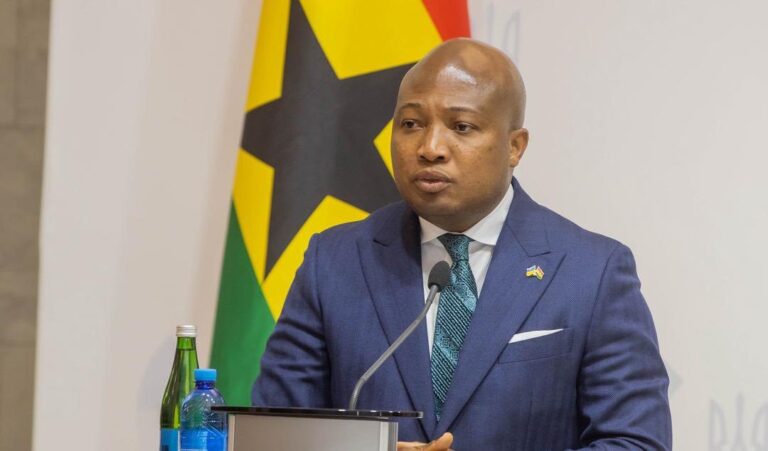
The Minister of Foreign Affairs, Samuel Okudzeto Ablakwa, has called on the Commonwealth of Nations to condemn recent attacks on United Nations peacekeepers in Lebanon and urged member states to work towards removing tariffs and trade barriers within the bloc.

Speaking at the 26th Commonwealth Foreign Affairs Ministers’ Meeting in London on Sunday, March 8, 2026, Mr Ablakwa warned that attacks on UN peacekeepers could undermine global peacekeeping operations and the principles of multilateral cooperation.

His comments follow an attack on the Ghana Battalion (GHANBATT) headquarters, known as “Camp Obeng”, in southern Lebanon last Friday evening during an exchange of fire between the Israel Defence Forces and Hezbollah.

The Minister described the attack on the Ghanaian base, which left three Ghanaian soldiers in critical condition, as an assault on the principles of the UN Charter and called for a full investigation.

“On our way in, our peacekeepers in Lebanon were attacked. As we speak, three of them have undergone multiple surgeries. An attack on UN peacekeepers is an attack on multilateralism. It is an attack on every principle that the UN Charter exists to defend.

“So, we urge the Commonwealth to roundly condemn this attack and to demand immediate investigations so that peacekeepers will know that the sacrifices they made, leaving their families, their children, staying in harm’s way to maintain global peace and stability, means something to us and that we will not countenance such untoward and unwarranted attacks.

“We have demanded investigations and we hope that the United Nations will act promptly,” he said.

Meanwhile, the government of Ghana has petitioned the UN Secretary-General, António Guterres, to initiate investigations into the attack and ensure accountability for those responsible for the assault on Camp Obeng.

Tariff barriers

Mr Ablakwa also urged the Commonwealth to pursue the removal of tariffs and trade barriers among its member states to enhance economic cooperation within the bloc.

According to him, eliminating trade barriers among the Commonwealth’s 56 independent countries across Africa, Asia, the Americas, Europe and the Pacific could create a vast market of about 2.7 billion people and deepen economic collaboration.

The Minister said such a move would also allow member states to leverage opportunities under the African Continental Free Trade Area (AfCFTA), whose secretariat is hosted in Accra.

“We hope to share our thoughts, particularly in offering the Commonwealth as a different multilateral organisation that does not believe in tariff wars, but will remove tariffs and trade barriers and ensure that we are able to enhance our fortunes as we pursue economic diplomacy, particularly as Ghana hosts the African Continental Free Trade Area Secretariat,” he said.

He, however, commended the Commonwealth for outlining reform initiatives aimed at strengthening the organisation and benefiting member states.

UN resolution

The Minister also called on Commonwealth countries to support a resolution to be tabled at the United Nations General Assembly seeking to recognise the transatlantic slave trade, slavery, colonisation and apartheid as the greatest crimes against humanity.

The resolution, which is expected to be presented at the UN on March 25 this year by President John Dramani Mahama, also calls for reparations and reparative justice for African countries and members of the Commonwealth.

Mr Ablakwa appealed to member states to rally behind the initiative ahead of the vote scheduled for March 25, describing it as a critical step towards global acknowledgement of historical injustices and the pursuit of reparative justice.

He said the initiative had already received backing from the African Union and expressed confidence that Commonwealth countries would lend their support.

“We know that we can count on the Commonwealth for reparative justice and restitution in this matter,” he said.

The proposed resolution forms part of broader international efforts to acknowledge the enduring consequences of more than 400 years of the transatlantic slave trade, during which over 15 million African men, women and children were forcibly taken to North and South America, the Caribbean and Europe to work on plantations and in other industries.

Historical records indicate that an estimated two million enslaved people died during the transatlantic journey.

Meanwhile, March 25 has been designated by the United Nations as the International Day of Remembrance of the Victims of Slavery and the Transatlantic Slave Trade.

Nigeria’s Business Confidence Index Hits Record 117.2 Points

0

Nigeria’s business environment strengthened significantly in February 2026, with the Business Confidence Index (BCI) rising to a record 117.2 points, according to the latest Business Confidence Monitor released by the Nigerian Economic Summit Group (NESG).

The index climbed from 105.8 points recorded in January 2026 and was also higher than the 111.5 points posted in February 2025, signalling a notable improvement in business conditions across the economy.

The NESG explained that readings above the 100-point threshold indicate expansion in business activities. The February figure therefore reflects strong growth momentum and improved sentiment among businesses operating in the country.

Advertisement

According to the report, the improvement in the index was driven by broad-based expansion across the five major sectors tracked by the monitor.

The non-manufacturing sector recorded the strongest growth, with its index rising to 128.9 points during the month. The manufacturing sector also posted significant gains, increasing to 121.1 points, reflecting stronger production activity and improved operational performance.

The services sector maintained expansionary momentum as its index rose to 109.2 points. Similarly, the trade sector rebounded strongly to 108.7 points, indicating improved commercial activity and demand conditions.

Agriculture, which had previously faced weaker sentiment, returned to expansion territory with an index reading of 104.8 points, suggesting a modest recovery in the sector.

The broad-based improvement across sectors is seen as a reflection of stronger production levels, improved demand conditions and gradually easing cost pressures in some parts of the economy.
Business expectations for the coming months also remained positive.

The Future Business Expectation Index climbed to about 135 points in February, indicating that firms anticipate continued improvements in demand, investment activity and employment levels in the near term.

Despite the positive outlook, the NESG noted that structural challenges remain a concern for businesses. These include limited access to financing, infrastructure deficits, epileptic power supply, high operating costs and persistent security challenges.

Economists believe that addressing the constraints will be critical to sustaining the current momentum in business activity and translating improved confidence into stronger investment and economic growth.


We’ve got the edge. Get real-time reports, breaking scoops, and exclusive angles delivered straight to your phone. Don’t settle for stale news. Join LEADERSHIP NEWS on WhatsApp for 24/7 updates →


Join Our WhatsApp Channel


Why I Rejected Deals That Could Have Made Me A Billionaire – Omotola Jalade

0

Veteran Nollywood actress, Omotola Jalade Ekeinde, has revealed that her commitment to personal values has prevented her from becoming a billionaire.

Naija News reports that the thespian spoke while appearing as a guest on the Afropolitan Show.

According to the mother of four, throughout her career, she was offered deals that could have brought huge financial rewards, but accepting them would have meant compromising her principles.

The actress explained that she often walked away from opportunities that clashed with her beliefs, even when the money was tempting.

She said choosing to stay true to herself has given her rewards that cannot be measured in cash.

Omotola also noted that she has faced these choices many times and remained firm, even when those who offered the deals are still watching her career today.

She said:  “If I wanted to be a billionaire I would have been it easily because I have been in situations where no one would have known and I would have taken things and compromised my stands, but I would say no, and I would walk away. Many times, and some of those people are even watching me today.”

Naija News recalls that the actress recently spoke on how she once went to a rough area in Mushin, Lagos State, in search of money to help pay her brother’s school fees.

According to her, a colleague in the film industry took her to the area to meet some men known for lending money.

Omotola explained that they had to pass through a rough environment before getting to the place where the men were waiting.

T20 World Cup: Stranded South African players Quinton de Kock, David Miller allege England given priority for flight home

0

South Africa players Quinton de Kock and David Miller have accused the International Cricket Council (ICC) of leaving their team stranded as the Iran conflict disrupted flights, questioning how England could return home before them.

Thousands of commercial flights have been cancelled in countries across the Gulf due to the U.S.-Israeli war against Iran, disrupting some of the world’s busiest transit hubs.

The West Indies, who were eliminated last weekend after their loss to India in the Twenty20 World Cup, have been waiting for days in Kolkata, while South Africa also remain stranded after their semi-final defeat to New Zealand.

England, who were eliminated after losing Thursday’s semi-final against India, departed Mumbai on a charter flight on Saturday.

“Funny @icc, we have heard nothing! Meanwhile, England are leaving before us somehow? @westindies and @proteasmencsa are just in the dark. Strange how different teams have more pull than others,” de Kock posted on Instagram.

His teammate Miller echoed the view.

“Funny that England gets eliminated after WI & SA and gets on a charter back home tonight. While WI & SA still wait for answers in Kolkata,” he posted.

West Indies head coach Daren Sammy joined the conversation and backed Miller.

“@davidmillersa12 a lil louder for those in the back to hear please sir,” Sammy wrote.

Former England captain Michael Vaughan also questioned the discrepancy in treatment.

“That’s where the power is all wrong,” Vaughan wrote on X.

“All teams in this situation should be treated the same… just because you are more powerful at the ICC table shouldn’t count.”

The ICC did not respond immediately to Reuters’ request for comment.

T20 World Cup | T20 World Cup Schedule | T20 World Cup Points Table | T20 World Cup Videos | Cricket News | Live Score

– Ends

Published By:

sabyasachi chowdhury

Published On:

Mar 8, 2026 20:49 IST

Tune In

Nick Koskei: Moment Journalist’s Casket was Lowered into Grave Moves Kenyans

0
  • Nick Koskei tragically died in a helicopter crash alongside MP Johana Ng’eno while on official duty on Saturday, February 28
  • His burial in Bomet County on March 7 saw family and friends weeping as the casket was lowered into the grave, with emotions running high throughout the ceremony
  • Kenyans across the country shared their grief online after watching the emotional scenes at his burial, with many sharing heartfelt tributes

Tears flowed on Saturday, March 7, at the home of the late journalist Nick Koskei in Kipkebe, Silibwet Township Ward, Bomet County, during his burial ceremony.

Nick Koskei posing for a photo.
Nick Koskei was laid to rest in a sombre ceremony at his rural home. Photo: Nick Koskei.
Source: Facebook

Koskei tragically passed away on Saturday, February 28, when the helicopter he was travelling in alongside his boss, Emurua Dikirr MP Johana Ng’eno, crashed and burst into flames in Chepkiep Forest, Mosop, Nandi County.

The young journalist, who had worked with Ng’eno for just over a year and a half, was accompanying him on a tour of the Mara River area to assess flood damage among other engagements in Endebess.

Read also

Nick Koskei’s friend leaks WhatsApp chats exposing his plans to produce documentary for late Ng’eno

While a funeral service for Ng’eno, Koskei, and other associates was held at Emurua Dikirr Primary School on Friday, March 6, with MP Ng’eno laid to rest the same day, Koskei’s burial took place the following day.

Search option is now available at TUKO! Feel free to search the content on topics/people you enjoy reading about in the top right corner 😉

What happened at Nick Koskei’s burial?

Emotional scenes unfolded as family and friends bid the young journalist their final farewells. During tributes, mourners hailed Koskei for his vibrant life and achievements. Some, including a close female friend, could not hold back their tears.

The true depth of the loss became most evident when Koskei’s casket was lowered into the grave. Videos seen by TUKO.co.ke showed pallbearers carefully placing the casket on the lifts as dirges played in the background.

Mourners wept openly, struggling to come to terms with the sudden loss of a promising life. Koskei’s brothers stood engulfed in grief, watching as the casket descended, a moment that has moved Kenyans across the nation.

Watch the video below:

bKenyans mourn Nick Koskei

The heartbreaking scenes at the grave sparked an outpouring of emotion on social media. Netizens shared tributes mourning Koskei’s death and expressing sympathy for his family.

Read also

Oscar Sudi offers to pay Ksh 350k balance for Nick Kosgei’s family to get land’s title deed

Here are some of the messages shared:

Nick Koech Tinget:

“Life is short. Fare thee well Nick.”

Beatrice Beaty:

“Pole sana, mmepitia magumu sana, burying a boss and colleagues consecutively.Mutyo , we feel for you.”

Seela Moureen:

“Lala salama nick so hard to say bye….. we’ll meet someday….. You’ll forever be remembered We love you.”

Mercy Sáng:

“Inauma sana poleni sana may he soul rest in peace.”

Stellah Chiry:

“Rest in peace Nick. Mbona kifo hakina huruma?”

Nick Koskei posing for a photo.
Nick Koskei passed away in a helicopter crash. Photo: Nick Koskei.
Source: Facebook

What major project did Nick Koskei have for his boss?

In another story, Nick’s close friend leaked private WhatsApp messages showing that the journalist had been working on a documentary about his boss’s life and leadership.

The messages showed that the Koskei had already started contacting potential interviewees months before the tragic helicopter crash ended his plans.

These revelations sparked emotional reactions from Kenyans online.

Source: TUKO.co.ke

Ghana urges Commonwealth to condemn attack on UN Peacekeepers

0

Foreign Affairs Minister, Samuel Okudzeto Ablakwa, has called on Commonwealth member states to strongly condemn the recent attack on United Nations peacekeepers serving in Lebanon, warning that such actions undermine global peacekeeping efforts and the principles of multilateral cooperation.

Speaking at the 26th Commonwealth Foreign Affairs Ministers Meeting in London, the Foreign Affairs Minister revealed that several Ghanaian peacekeepers were injured during the attack while serving under a UN mission.

“On our way to this meeting, our peacekeepers in Lebanon were attacked. As we speak, three of them have undergone surgeries,” Ablakwa said.

He stressed that the incident should concern the entire international community, noting that attacks on peacekeepers strike at the foundation of global peace and security systems.

“An attack on UN peacekeepers is an attack on multilateralism,” he added. “It is an attack on every principle that the United Nations Charter exists to defend.”

Ablakwa urged the Commonwealth of Nations to take a firm position and support calls for an immediate investigation into the incident.

“We urge the Commonwealth to roundly condemn this attack and demand immediate investigations so that peacekeepers will know that the sacrifices they make mean something to us,” he emphasised.

Ghana is one of the longstanding contributors to UN peacekeeping missions and has deployed thousands of troops to conflict zones across the world over the decades. The United Nations ranks Ghana among the top ten troop-contributing countries globally.

On 6 March 2026, as the country marked its 69th Independence Day anniversary, Ghanaian soldiers serving in Lebanon were struck in a missile attack.

The Foreign Affairs Minister said the government has formally petitioned the UN Secretary-General, António Guterres, to initiate an investigation and ensure sanctions against those responsible.

MP Nana Ayew Afriye condemns cocoa price reduction, invokes legacy of great grandfather John Kwame Ayew

0

Member of Parliament Nana Ayew Afriye has criticised government's decision to reduce cocoa prices Member of Parliament Nana Ayew Afriye has criticised government’s decision to reduce cocoa prices

The Member of Parliament for Effiduasi Asokore, Nana Ayew Afriye, has strongly criticised what he describes as the unfair treatment being meted out to cocoa farmers following the recent reduction in cocoa prices.

Contributing to the debate on the State of the Nation Address in Parliament, Dr Afriye lamented that the decision to cut cocoa prices amounts to what he described as “the robbery of poor farmers,” many of whom are already struggling with poverty.

According to the Effiduasi Asokore legislator, cocoa farmers continue to bear the brunt of economic decisions despite their immense contribution to Ghana’s economy.

“To reduce cocoa prices at a time when farmers are already wallowing in poverty is inhumane and amounts to robbing the very people whose sweat built the cocoa industry,” he said.

Claim Ivory Coast paying cocoa farmers more than announced farmgate price is false

Dr Afriye noted that the issue is particularly personal to him because of the historic role his great-grandfather, John Kwame Ayew, played in the early development of the cocoa industry in the then Gold Coast.

Historical records show that John Kwame Ayew, who hailed from Mampong Akuapim, was one of the leading figures in the early struggles of cocoa farmers during the colonial era.

He emerged as one of the “firebrands” who mobilised farmers to resist exploitative practices by foreign trading firms that dominated the cocoa market at the time.

Following the World War I, Ayew organised and spearheaded several cocoa hold-ups and boycotts between 1920–1921 and 1930–1931 in major cocoa-producing areas including Larteh, Dodowa, Akuapem and Akyem Abuakwa.

These actions were intended to protest the unfair pricing structures imposed by foreign trading companies operating in the colony.

He also founded the Gold Coast Cocoa Farmers’ Association, which became an important platform for organising farmers and coordinating resistance against exploitative cocoa marketing systems.

The agitation led by Ayew and other activists was largely directed at the dominance of multinational trading firms such as the United Africa Company and the Société Commerciale de l’Ouest Africain, which controlled cocoa pricing and marketing in the Gold Coast.

Beyond activism, John Kwame Ayew was also actively engaged in cocoa marketing himself, demonstrating both economic and political leadership within the industry.

He worked alongside other prominent cocoa activists such as Winifred Tetteh Ansah of Manya Krobo to champion the cause of cocoa farmers.

Dr. Afriye told Parliament that given his great grandfather’s legacy in defending the rights and welfare of cocoa farmers, he believes John Kwame Ayew would be deeply disappointed by what he described as the current mistreatment of cocoa farmers.

According to him, the sacrifices of early cocoa pioneers who fought against colonial exploitation should serve as a reminder to policymakers to protect the livelihoods of farmers rather than undermine them.

“My great grandfather fought to defend cocoa farmers from exploitation. If he were alive today, he would be deeply saddened that the very farmers he struggled for are still facing hardship and unfair treatment,” Dr. Afriye stated.

He therefore called on government to reconsider policies affecting cocoa farmers and ensure that pricing decisions reflect fairness and respect for the vital role farmers play in sustaining Ghana’s cocoa industry.

Watch the 2025 GhanaWeb Excellence Awards below:

Gov Otu Reaffirms Commitment To Women Empowerment ‎ – Independent Newspaper Nigeria

0

The Governor of Cross River State, Bassey Otu, has paid glowing tribute to the women of the state as the world commemorates International Women’s Day, applauding their resilience, enterprise and invaluable contributions to the state’s social and economic development.

‎In a message issued by his Chief Press Secretary and Special Adviser on Media and Publicity, Mr. Linus Obogo, marking the global celebration, Governor Otu described Cross River women as “the steady pillars upon which the state’s prosperity and social harmony rest,” while reaffirming his administration’s commitment to expanding opportunities for women across key sectors of the economy.
‎“Our women embody courage, creativity and remarkable endurance. Across our farms, markets, schools, industries and public institutions, Cross River women continue to shape the destiny of our state with diligence, intelligence and an unwavering commitment to progress,” he said.

‎Governor Otu noted that his administration has deliberately prioritised policies and programmes designed to strengthen women’s participation in agriculture, entrepreneurship, education, technology and other emerging economic sectors.
‎“We believe strongly that empowering women is not merely a social imperative; it is an economic strategy. When women thrive, families prosper, communities grow stronger and the entire economy expands,” he said.

‎The governor also highlighted the growing recognition of Cross River’s efforts in gender-responsive development, citing the latest State of Women’s Economic Empowerment report released by BudgIT, which ranks the state among Nigeria’s leading performers in policies that promote women’s economic inclusion.
‎“This acknowledgement reinforces the direction we have taken as a government. Our deliberate investments in agriculture, education, innovation and the creative economy are designed to ensure that women are not left behind in the evolving landscape of economic opportunity,” Out stated.

‎He emphasized that Cross River’s strong performance in sectors such as agriculture and emerging industries reflects the determination of the administration to place women at the heart of the state’s development agenda.
‎“Our policies are intentionally structured to open doors for women. From access to land and agricultural value chains to opportunities in technology, entrepreneurship and creative industries, we are building pathways for women to realise their full economic potential,” the governor explained.

‎Governor Otu saluted the enduring strength and achievements of women across the state, assuring them of continued support from his administration.
‎“On this International Women’s Day, I salute every Cross River woman, farmers, traders, professionals, artisans, innovators and community leaders. Your strength inspires our collective progress, and this administration will continue to champion policies that recognise your worth, amplify your voice and expand the opportunities available to you,” he said.

You Might Be Interested In

South Africa’s Fixed Deposit Market Attracts Conservative Investors Seeking Stable Returns » Serrari Group

0

The Competitive Fixed Deposit Landscape

South Africa’s fixed deposit market has emerged as an increasingly attractive investment vehicle for conservative investors seeking stable, predictable returns in an environment of macroeconomic uncertainty. South African fixed deposit rates continue to offer compelling yields that significantly exceed inflation expectations, providing real returns for prudent savers.

Build the future you deserve. Get started with our top-tier Online courses: ACCA, HESI A2, ATI TEAS 7, HESI EXIT, NCLEX-RN, NCLEX-PN, and Financial Literacy. Let  Serrari Ed  guide your path to success. Enroll today.

The fixed deposit market in South Africa reflects the broader economic context of the continent’s most developed financial system. As the South African Reserve Bank (SARB) has implemented rate cuts following the inflationary peak of 2022-2023, fixed deposit rates have declined from their earlier highs but remain attractive. The current environment offers investors a differentiated pricing structure based on maturity periods and deposit amounts, allowing sophisticated investors to optimize returns.

Current Pricing Across Banking Institutions

The leading South African banks have differentiated their fixed deposit offerings to remain competitive in the current market environment. African Bank, one of the continent’s prominent deposit-taking institutions, currently offers some of the most competitive rates available.

African Bank’s offerings provide tiered fixed deposit returns based on investment periods and deposit amounts. A two-year fixed deposit achieves an 8.01% annual return with a minimum investment of R250,000. This rate represents a compelling opportunity for investors seeking a medium-term commitment. For investors willing to lock their capital away for longer periods, African Bank offers a three-year fixed deposit at 8.26%, requiring the same R250,000 minimum investment.

The highest yields available come from longer-maturity products. African Bank’s sixty-month fixed deposit offers a rate of 10.41% annually, requiring a minimum investment of R1,000,000. This product demonstrates that the South African banking sector remains willing to compensate investors generously for extending their commitment to extended time horizons.

Competitive positioning across major institutions shows that while rates vary among banks, the overall range remains relatively narrow. This convergence reflects efficient markets where banks compete for deposits but cannot stray far from equilibrium rates without attracting excessive inflows or facing deposit withdrawals.

Interest Rate Dynamics and Monetary Policy

The structure of fixed deposit rates across different maturities provides insight into market expectations regarding future monetary policy. The deposit interest rate environment reflects beliefs about the path of the South African Reserve Bank’s policy rate over the relevant investment horizons.

Currently, the yield curve for fixed deposits slopes upward, with longer maturities offering higher rates than shorter ones. This structure indicates that market participants expect interest rates to remain relatively stable or potentially firm in the medium term, despite the easing cycle that has characterized 2025. Banks are willing to offer premium rates for extended commitments because they anticipate that alternative sources of funding may become more expensive if rates rise.

The deposit interest rate reached 7.92% in 2024, but this figure represents an average across all depositors and products. The actual rates available to individual investors depend heavily on deposit size, product type, and banking institution.

Investment Considerations for Fixed Deposit Investors

Conservative investors evaluating fixed deposit investments must consider several factors beyond the headline interest rate. First, the credibility and security of the banking institution matters critically. South Africa’s banking sector is one of Africa’s most regulated, with deposit insurance providing protection up to specific limits. Major South African banks maintain strong capital ratios and prudential standards, providing confidence in the safety of deposited funds.

Second, investors should evaluate the real return—the rate of return adjusted for inflation. With inflation expected to average around 4-5% in South Africa in 2025-2026, the fixed deposit rates of 8-10% imply real returns of approximately 3-6% annually. These real returns are attractive compared to alternative conservative investments, particularly given the safety profile of bank deposits.

Third, investors must consider the opportunity cost of locking capital away in fixed deposits. If interest rates rise after a fixed deposit is placed, investors will be locked into a lower rate. Conversely, if rates decline, the fixed deposit provides downside protection. The current environment of expected interest rate stability makes this consideration less critical than in periods of rapid monetary policy change.

Competitive Comparisons and Market Positioning

Fixed deposit comparison resources show that competition among banks has intensified. While the traditional big four banks—ABSA, FNB, Nedbank, and Standard Bank—offer competitive rates, challenger banks and specialized deposit-taking institutions have gained market share by offering superior terms for specific customer segments.

The fragmentation of the South African banking market has created opportunities for investors to shop for the best available rates. Early-stage fintech platforms are increasingly facilitating comparisons and enabling customers to shift deposits toward the highest-yielding options. This competitive dynamic has prevented the South African banking sector from achieving monopolistic pricing power in the deposits market.

Inflation Expectations and Real Returns

A critical variable determining the attractiveness of fixed deposit investments is the expected inflation rate over the deposit period. Currently, the South African Reserve Bank targets inflation of 3-6%, and market expectations are reasonably well-anchored around the middle of this range. With inflation expectations stable, fixed deposit rates of 8-10% provide confidence that investors will achieve positive real returns.

One decision can change your entire career. Take that step with our Online courses in ACCA, HESI A2, ATI TEAS 7, HESI EXIT, NCLEX-RN, NCLEX-PN, and Financial Literacy. Join Serrari Ed and start building your brighter future today.

This contrasts sharply with the 2022-2023 period when inflation exceeded 10% and fixed deposit rates struggled to exceed 8%, resulting in negative real returns for many depositors. The current environment represents a substantial improvement for savers, who can now obtain positive real returns while maintaining capital safety.

Tax Implications for Fixed Deposit Investors

An important consideration for South African fixed deposit investors is the tax treatment of interest income. Interest earned on fixed deposits is taxable as ordinary income, subject to the individual’s marginal tax rate. However, individuals enjoy an exemption of R23,800 in tax-free interest income annually as of 2025.

This exemption structure favors investors with modest deposit balances, as their interest income may fall entirely within the tax-free limit. Wealthier investors holding larger fixed deposit balances should coordinate their fixed deposit strategy with broader tax planning objectives to minimize tax leakage on returns.

Banking Sector Stability and Consolidation Trends

South Africa’s banking sector has consolidated significantly over the past two decades, with the Big Four banks—ABSA, First National Bank (FNB), Nedbank, and Standard Bank—dominating the deposit-taking market. This consolidation has created banking institutions with substantial capital buffers, diversified revenue streams, and sophisticated risk management capabilities. The regulatory environment has strengthened along with bank consolidation, with the South African Reserve Bank implementing Basel III prudential standards and maintaining ongoing supervision.

The presence of large, well-capitalized banking institutions provides depositors with confidence that their deposits are protected. The deposit insurance scheme covers deposits up to specified limits per depositor per institution, providing legal protection against bank failure. The combination of depositor insurance and strong bank capital positions creates redundant safety mechanisms for depositors.

However, the concentration of the banking sector in a limited number of large institutions creates systemic importance where failure of any major bank would have economy-wide consequences. This systemic importance incentivizes both regulatory supervision and government implicit support for these institutions, creating an additional safety cushion for deposits.

The Broader Economic Context

The attractiveness of South African fixed deposits must be assessed within the broader economic context. South Africa’s economy has struggled with sluggish growth, elevated unemployment, and infrastructure challenges. These macroeconomic headwinds create an environment where conservative investors prefer the certainty of fixed deposits to the risk of equity market participation.

However, as South Africa’s macroeconomic conditions gradually improve—including infrastructure investments, power supply stabilization, and potential fiscal reforms—the relative attractiveness of fixed deposits may decline as investors become more willing to accept equity market risk in pursuit of capital appreciation. The current period, however, remains favorable for fixed deposit investors seeking stable, predictable returns.

Institutional Investor Participation in Fixed Deposits

While retail investors represent the most visible participants in fixed deposit markets, institutional investors including pension funds, insurance companies, and corporate treasurers are equally important participants. Institutional investors often negotiate rates above published rates for large deposits, leveraging their scale and credit quality to secure superior terms.

The institutional participation in fixed deposits reflects the stability and liquidity characteristics of these instruments. For pension funds managing long-term liabilities, fixed deposits provide predictable income streams that can be matched to liability schedules. For insurance companies, fixed deposits provide low-risk assets supporting claims reserves. For corporate treasurers, fixed deposits offer liquidity and safety for excess cash balances.

The institutional demand for fixed deposits has supported banking sector funding, allowing banks to offer competitive rates while maintaining healthy profitability. The diversification of deposit sources across retail and institutional investors reduces funding volatility and improves banking system stability.

Conclusion: An Attractive Savings Vehicle

South Africa’s fixed deposit market continues to offer compelling opportunities for conservative investors in 2025-2026. The combination of stable interest rates, low inflation expectations, strong banking sector fundamentals, and robust regulatory oversight creates an environment where fixed deposits provide attractive real returns with minimal credit risk. The market’s appeal extends across retail and institutional investors, reflecting the genuine utility that fixed deposits provide for conservative wealth preservation. As monetary policy stabilizes and interest rates approach equilibrium levels, fixed deposits are likely to remain an important component of conservative investment portfolios across South Africa and potentially across Africa more broadly.

Ready to take your career to the next level? Join our Online courses:  ACCA, HESI A2, ATI TEAS 7 , HESI EXIT  , NCLEX-RN and NCLEX-PN, Financial Literacy! 🌟 Dive into a world of opportunities and empower yourself for success. Explore more at  Serrari Ed and start your exciting journey today! ✨

Track GDP, Inflation and Central Bank rates for top African markets with Serrari’s comparator tool.

See today’s Treasury bonds and Money market funds movement across financial service providers in Kenya, using Serrari’s comparator tools.

Photo Source: Google

By: Montel Kamau

Serrari Financial Analyst

5th March, 2026

Article, Financial and News Disclaimer

The Value of a Financial Advisor
While this article offers valuable insights, it is essential to recognize that personal finance can be highly complex and unique to each individual. A financial advisor provides professional expertise and personalized guidance to help you make well-informed decisions tailored to your specific circumstances and goals.

Beyond offering knowledge, a financial advisor serves as a trusted partner to help you stay disciplined, avoid common pitfalls, and remain focused on your long-term objectives. Their perspective and experience can complement your own efforts, enhancing your financial well-being and ensuring a more confident approach to managing your finances.

Disclaimer: This article is for informational purposes only and does not constitute financial advice. Readers are encouraged to consult a licensed financial advisor to obtain guidance specific to their financial situation.

Article and News Disclaimer

The information provided on www.serrarigroup.com is for general informational purposes only. While we strive to keep the information up to date and accurate, we make no representations or warranties of any kind, express or implied, about the completeness, accuracy, reliability, suitability, or availability with respect to the website or the information, products, services, or related graphics contained on the website for any purpose. Any reliance you place on such information is therefore strictly at your own risk.

www.serrarigroup.com is not responsible for any errors or omissions, or for the results obtained from the use of this information. All information on the website is provided on an as-is basis, with no guarantee of completeness, accuracy, timeliness, or of the results obtained from the use of this information, and without warranty of any kind, express or implied, including but not limited to warranties of performance, merchantability, and fitness for a particular purpose.

In no event will www.serrarigroup.com be liable to you or anyone else for any decision made or action taken in reliance on the information provided on the website or for any consequential, special, or similar damages, even if advised of the possibility of such damages.

The articles, news, and information presented on www.serrarigroup.com reflect the opinions of the respective authors and contributors and do not necessarily represent the views of the website or its management. Any views or opinions expressed are solely those of the individual authors and do not represent the website’s views or opinions as a whole.

The content on www.serrarigroup.com may include links to external websites, which are provided for convenience and informational purposes only. We have no control over the nature, content, and availability of those sites. The inclusion of any links does not necessarily imply a recommendation or endorsement of the views expressed within them.

Every effort is made to keep the website up and running smoothly. However, www.serrarigroup.com takes no responsibility for, and will not be liable for, the website being temporarily unavailable due to technical issues beyond our control.

Please note that laws, regulations, and information can change rapidly, and we advise you to conduct further research and seek professional advice when necessary.

By using www.serrarigroup.com, you agree to this disclaimer and its terms. If you do not agree with this disclaimer, please do not use the website.

www.serrarigroup.com, reserves the right to update, modify, or remove any part of this disclaimer without prior notice. It is your responsibility to review this disclaimer periodically for changes.

Serrari Group 2025

 

Meet Dr. Dobby, Kenya’s first fully-rated female police pilot; Mother of 5 holds a BCOM, MBA, Master’s Degree and a PhD

0

As the world marks International Women’s Day, the National Police Service (NPS) is celebrating Dr. Eunice A.J. Dobby, a woman within its ranks who redefine what leadership, courage and service look like.

Police officer Dr. Dobby is a pilot, scholar, mother, diplomat and mentor whose journey continues to inspire a new generation of leaders, at least according to the NPS.

Dr. Dobby’s life story embodies the spirit of Kaizen, the philosophy of continuous improvement. It is a journey shaped by determination, discipline and an unwavering commitment to service.

She rose through the ranks of the National Police Service from Police Constable in 1999 to Commissioner of Police, before breaking several barriers to become Kenya’s first fully rated female police pilot, commanding aircraft in operations that demanded precision, courage and sound judgment.

Trained at the Oxford School of Aviation in the United States and certified by both the Federal Aviation Administration (FAA) and the Kenya Civil Aviation Authority, she served in the National Police Airwing, eventually becoming Chief Pilot and later Deputy Commandant. In this role, she led critical missions including search and rescue operations, casualty evacuations, aerial reconnaissance, counterterrorism support and aerial monitoring during national emergencies.

From the skies above Kenya’s highways to operations supporting security agencies on the ground, Dr. Dobby’s work symbolised hope and rapid response in moments when lives depended on swift action.

Yet Dr. Dobby’s journey has never been limited to operational excellence alone. While serving in uniform, she pursued academic excellence with equal dedication. She holds a Bachelor of Commerce in Human Resources, an MBA in Strategic Management and a Master’s Degree in International Relations and Diplomacy. She is also a graduate of the prestigious National Defence College (Kenya).

Her academic journey recently culminated in a Doctor of Philosophy (PhD) in Social Transformation, Security and Sustainable Peace, where her research explored the role of technology in modernising airborne policing in Kenya-proving that meaningful impact is built over time through dedication and the constant pursuit of becoming better than yesterday.

Her work proposes innovative security approaches such as the integration of CCTV surveillance along major highways, drone-supported aerial monitoring and helicopter patrols during peak travel seasons and major public gatherings. These systems, equipped with high-definition cameras, facial recognition and geofencing technologies, could significantly enhance early response to crime, improve traffic safety and support modern policing strategies.

Through this research, Dr. Dobby demonstrates how practical experience in policing can inform policy solutions that strengthen national security and save lives.

Today, her service extends beyond Kenya’s borders. She serves as a pioneer lady Director of Administration and Finance and Gender Focal Point at the Regional Centre on Small Arms and Light Weapons (RECSA), where she contributes to regional efforts aimed at controlling the proliferation of small arms and promoting peace and security across Africa and globally.

At the same time, she continues to inspire the next generation through teaching. As a lecturer in Diplomacy of Arms Control, Terrorism and Counterterrorism Strategies, she shares her knowledge and experience with students pursuing careers in security, diplomacy and international relations.

Beyond her professional achievements, Dr. Dobby embodies the values of family, resilience and mentorship. She is a mother of five, including twins, balancing the demands of national service with the responsibilities of nurturing and guiding the next generation at home.

Veep Opoku-Agyemang calls for women’s empowerment on International Women’s Day 2026

0

By Rachel Quartey & Rukayatu Musah

Vice President of the Republic, Naana Jane Opoku-Agyemang, has extended warm wishes to women and girls across Ghana and around the world as the country joins the global community to mark International Women’s Day 2026.

In a message to commemorate the day, the Vice President celebrated the resilience, achievements and invaluable contributions of women to national development, urging Ghanaians to take pride in the role women continue to play in shaping the country’s progress.

She noted that in Ghana, the theme “Giving to Gain” is already being reflected through deliberate actions, including efforts to ensure that women constitute at least 30 percent of government appointments. According to her, increasing women’s representation in leadership — from ministerial positions to key public institutions — broadens the nation’s talent pool and strengthens decision-making.

Prof. Opoku-Agyemang further emphasized that the principle of empowering women must extend beyond government into sectors such as business, academia, civil society, the creative arts and faith leadership, where greater opportunities for women help enrich national life and expand the country’s leadership capacity.

She stressed that empowering women is not merely symbolic but a strategic investment in better governance and a stronger, more confident Ghana.

The Vice President also encouraged the public to refer to the full statement for more reflections on the significance of the day.

She concluded by wishing all women and girls a happy International Women’s Day.

More Stories Here

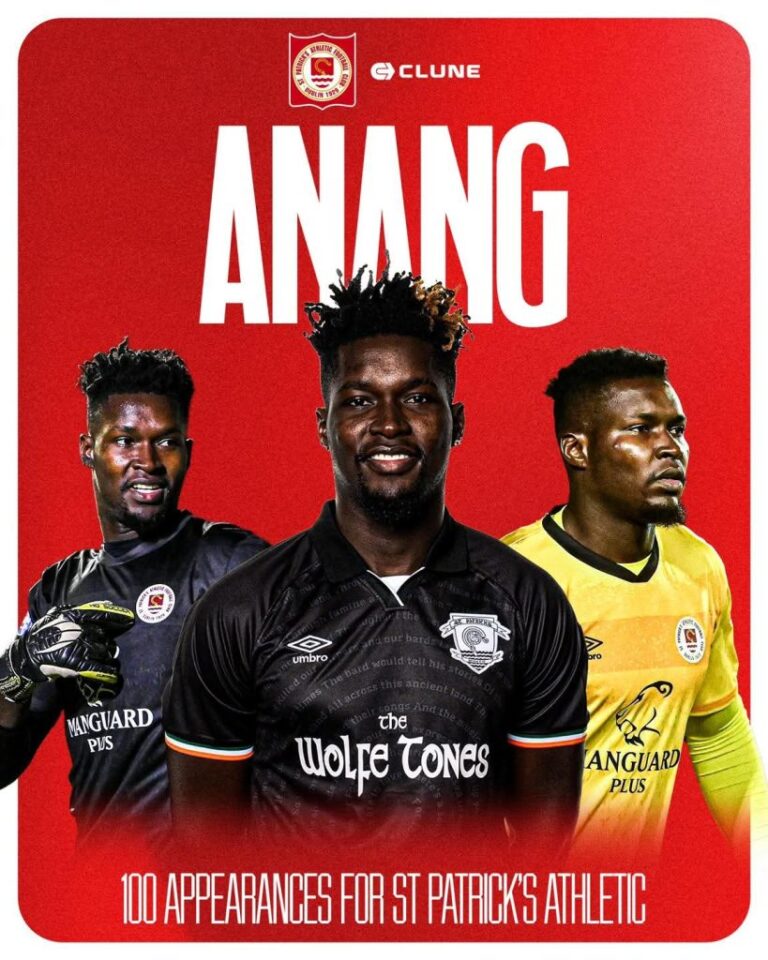
Ghana goalkeeper Joseph Anang marks 100th appearance for St. Patrick’s Athletic – Ghana Latest Football News, Live Scores, Results

0

Ghana international goalkeeper Joseph Anang reached a significant milestone on Friday night after making his 100th appearance for League of Ireland side St Patrick’s Athletic.

The shot-stopper has established himself as a key figure for the Saints since joining the Irish club, delivering consistent performances between the posts.

Anang’s century of appearances has been highlighted by impressive defensive numbers. Across his 100 games for St Patrick’s, the Ghanaian has kept 44 clean sheets while conceding an average of just 0.98 goals per game, underlining his importance to the team.

The 24-year-old has also begun the 2026 season in strong form, already earning a place in the League of Ireland Team of the Week after five matches.

His performances in Ireland have not gone unnoticed at the international level. Anang is widely expected to be included in the squad of Ghana national football team for the upcoming international friendlies later this month.

Ghana will face Austria national football team and Germany national football team as part of preparations for the upcoming 2026 FIFA World Cup in the USA, Mexico and Canada in June.

With his growing reputation and consistency in goal, Anang continues to strengthen his case for a regular role with the Black Stars while remaining a vital player for St Patrick’s.

Ndume urges Tinubu to brief Nigerians on security efforts

0

The senator representing Borno South, Ali Ndume, has called on President Bola Tinubu to regularly brief Nigerians on efforts being made to tackle insurgency and banditry across the country.

Ndume made the call in a statement released on Sunday, amid outrage over the recent killing of residents of Ngoshe in Borno State and the reported abduction of over 100 women and children by insurgents.

Last Wednesday, terrorists from Boko Haram and the Islamic State West Africa Province carried out coordinated attacks on the Ngoshe community in Gwoza Local Government Area of Borno State.

During the attack, the insurgents were said to have killed some soldiers, the chief imam of the town and several community elders after first assaulting a military base belonging to the 82 Division Task Force Battalion.

The attackers later stormed the community and an Internally Displaced Persons camp.

The development has sparked fresh concerns about security in the North-East despite the Federal Government’s recent moves to strengthen military operations.

PUNCH Online had reported that Tinubu, last November, declared a nationwide security emergency and ordered additional recruitment into the Armed Forces.

Reacting to the incident, Ndume, a former Senate Leader and a native of the affected community, urged the President to match his declaration with sustained military operations against insurgents’ strongholds.

He said, “Government should walk its talk on the emergency by engaging in coordinated and sustained attacks on insurgents’ targets, especially in the North-East. They should carry out consistent clearance operations in Lake Chad, Sambisa Forest and the Mandara Mountains because the recent attacks were well coordinated by the insurgents.

“For example, the Ngoshe massacre was carried out by insurgents from the Mandara Mountains, assisted by others from Sambisa and the Lake Chad region, using their known routes.”

Ndume also urged the President to establish a situation room at the Presidential Villa to monitor security developments and communicate directly with Nigerians.

“Since the President declared a state of emergency, he should have a situation room in his office in the Villa. He should use that to brief Nigerians directly. They want to hear from him from time to time,” he said.

The lawmaker further proposed the establishment of Air Component Centres across the three geopolitical zones in the North to strengthen aerial operations against insurgents.

“Nigeria also deserves Air Component Centres in the three geopolitical zones in the North, with attack helicopters deployed to the areas,” he added.

Ndume, however, commended the Nigerian Army for responding to the Ngoshe attack, though he noted that the intervention came late.

The former Senate Chief Whip also reiterated his call for the frontloading of security agencies’ budgets to enable faster procurement of arms and ammunition needed to combat insurgents.

“The Nigerian Army’s budget is insignificant compared to the overall national budget; it is less than 10 per cent and should be frontloaded.

“The President should ensure that the budgets of Nigeria’s security agencies are frontloaded. Even if we cannot purchase attack helicopters immediately, we should consider hiring them to deploy to black-spot areas,” he said.

South Africa squad World Cup 2026: Which players will make it to the showpiece in USA, Mexico and Canada?

0

Head coach Broos favours the very popular 4-3-2-1 formation, and he used a very consistent backline up until and including the loss to Cameroon at AFCON.

Khuliso Mudau, another Mamelodi Sundowns man, has regularly been deployed at right-back for his nation. The 30-cap international is another experienced head in the Bafana Bafana camp, and will help keep emotions from running too high in the build-up to the World Cup.

Siyabonga Ngezana is one of the few players to venture away from Africa, with the 28-year-old currently playing his football at FCSB in Romania. He has picked up some valuable minutes in the Europa League this season and is one to watch during this summer’s tournament, as is youngster Mbekezeli Mbokazi, who was trusted by his manager to play a key role at AFCON. He will likely get the nod alongside Ngezana once more. 

At left-back, Samukelo Kabini has emerged as a star at Molde, but will fight for his place alongside Aubrey Maphosa Modiba. Tylon Smith is another player to watch, with the central defender on the path up in England, currently playing for Queens Park Rangers.

PlayerClub
Siyabonga NgezanaFCSB
Mbekezeli MbokaziChicago Fire
Khulumani NdamaneMamelodi Sundowns FC
Thabo MoloisaneStellenbosch FC
Tylon SmithQueens Park Rangers
Samukele KabiniMolde FK
Aubrey ModibaMamelodi Sundowns FC
Khuliso MudauMamelodi Sundowns FC
Thabang MatuludiPolokwane City FC
Gift LinksAarhus GF
Ime OkonHannover 96
Olwethu MakhanyaPhiladelphia Union

Watch Live: Karela United vs. Asante Kotoko-Ghana Premier League match week 25 fixture

0

Asante Kotoko SC has traveled to Tamale to face Tamale-based side, Karela United in the match week 25 fixture this afternoon.

United’s push for a top-four finish continues to gain momentum after their recent consistent run.

The Tamale-based side have lost just once in their last five matches and currently occupy seventh place with 35 points.They have been particularly strong at the Aliu Mahama Sports Stadium, recording eight wins and two draws from 11 home games.

Asante Kotoko, meanwhile, remain firmly in the title conversation despite a frustrating goalless draw against Vision FC last weekend. The Porcupine Warriors sit fourth with 39 points and have the second-highest goal tally in the league.

Their solid away record — ranked third best in the division — will give them confidence heading into this encounter.

An Independence Textile and the Politics of Dress

0

During my recent research on the history of the Gold Coast in the years leading to independence, I came across this striking commemorative textile online.

At first glance, it appears to be simply a decorative fabric. For a historian, however, such objects function not merely as souvenirs but as significant historical evidence. This particular cloth serves as a lens through which we can analyze the ways in which material culture articulated and shaped the political imagination that accompanied Ghana’s transition to independence on 6 March 1957.

The design is deliberate and carefully arranged. At the centre stands the portrait of Kwame Nkrumah, identified as Prime Minister. Around the portrait runs the inscription: “Ghana Independence Day March 6th 1957.” The black star appears above. The red, gold, and green colours of the national flag extend across the fabric. Beneath the portrait is the phrase “Freedom and Justice,” the motto of the new state. The outline of the country frames the composition. The cloth itself becomes a visual representation of the newly proclaimed nation.

The date printed on the textile is 6 March.. Sixty-nine years ago, fabrics like this were worn during independence celebrations across the country. Supporters of the Convention People’s Party wore cloth bearing Nkrumah’s image and national symbols. In markets, rallies, and public gatherings, clothing became part of the language through which independence was celebrated and recognised.

Examining the textile closely raises several historical questions. How can clothing communicate political meaning? How can a piece of cloth carry the story of a nation? What economic networks produced such fabrics? And how did symbolism help shape the idea of Ghana as a national community?

Clothing as political communication and a portable monument

In many West African societies, cloth has long communicated meaning. Patterns, colours, and designs often signal identity, status, occasion, or affiliation. Scholars who study African dress, therefore, treat textiles not simply as garments but as forms of social communication.

The African art historian Victoria L. Rovine has shown that printed textiles across West Africa frequently convey messages through visual motifs embedded in their design. In a similar way, the historian of Ghana and African political culture Jean Allman has written about how clothing in Nkrumah’s Ghana functioned as a political language capable of expressing loyalty, belonging, and political identity.

Seen in that light, the independence textile begins to speak more clearly. The inscription records the historic moment. The portrait of Nkrumah signals leadership. The colours of the flag evoke liberation and sovereignty. Once worn in public, the cloth itself became a visible political statement. It allowed ordinary citizens to express participation in the nationalist moment through dress.

Because these fabrics circulated through streets, markets, and public gatherings, they did more than communicate political allegiance. They also carried the imagery of independence across society. In this way, the cloth functioned almost like a moving monument. Instead of standing in one place like a statue or memorial, it travelled through everyday spaces and allowed the symbols of the new nation to appear repeatedly before the public.

Nations often commemorate historic events through architecture and monuments. In Ghana, the Independence Arch later became one of the architectural reminders of the country’s liberation from colonial rule. Independence cloth performed a similar symbolic role, but in a different form. It carried the imagery of nationhood into ordinary life and allowed citizens themselves to become bearers of the new national symbols.

Independence Day Commemorative Textile full spread. Photograph: www.worthpoint.com

The political economy of independence textiles

Behind fabrics like this lies a wider economic history. By the middle of the twentieth century, when the Gold Coast approached independence, the cloth worn across much of West Africa was already tied to international systems of production and trade that had developed over centuries.

British textile factories in Manchester played a central role in this system. During the nineteenth century, Manchester became the heart of Britain’s cotton manufacturing industry and was widely known as “Cottonopolis.” From this industrial centre, large quantities of printed cotton cloth were exported across the world, including to West African markets. By the early twentieth century, many manufacturers were deliberately producing fabrics designed for African consumers. Dutch wax-print manufacturers also played an important role. One of the most influential firms was Vlisco, based in Helmond in the Netherlands, whose wax-resist printed fabrics became widely recognised across West Africa.

During the twentieth century, several types of printed cloth circulated widely in regional markets. These included wax prints, Java prints, and fancy prints produced in European factories but designed for African consumers. Wax prints were generally regarded as the most prestigious, while other printed cotton fabrics from Britain were widely known as “Manchester cloth.” Many designs became famous under names given by African traders and consumers themselves. Across West African markets, cloth patterns often acquired popular names reflecting local sayings, visual features, or everyday commentary. Designs were widely known by market names such as “Speed Bird,” “Record,” “Alphabet,” and “Six Pence.”

The distribution of these fabrics depended heavily on African commercial networks. European textiles typically entered the region through major ports such as Accra, Sekondi-Takoradi, Lagos, Freetown, and Dakar, before travelling inland through extensive trading networks. Large commercial centres such as Kumasi, Ibadan, Onitsha, and Kano served as important distribution hubs linking coastal imports with interior markets.

African traders, particularly women merchants, played a decisive role in this system. Market women and cloth merchants in cities such as Accra, Cape Coast, Kumasi, and Lagos maintained close relationships with European suppliers, selected which designs should be imported, and organised distribution through local markets. In parts of West Africa, powerful textile merchants even developed direct commercial ties with manufacturers. The famous “Nana Benz” traders of Togo and Benin, for example, built prosperous businesses by controlling large segments of the wax-print trade and sometimes securing exclusive rights to particular patterns.

Historians of African textile economies have highlighted the importance of these networks. The historian of African textile production Colleen E. Kriger has shown how African cloth traditions shaped the reception of imported fabrics, while the anthropologist and historian of African dress Elisha P. Renne has demonstrated how cloth markets became spaces where global manufacturing, local commerce, and cultural meaning intersected.

By the 1950s, this commercial infrastructure was already firmly established. Textile manufacturers possessed the design and printing capacity to produce new patterns quickly, and shipping routes linking European ports with West African harbours operated regularly through colonial trade networks. When independence celebrations were announced for 1957, producers recognised that the moment would create demand for commemorative cloth. Designs incorporating national colours, political leaders, and independence dates could be printed rapidly and distributed through existing trading channels.

The exact manufacturer of this commemorative textile is not yet known. Cloth of this kind was typically produced by European firms supplying West African markets, especially printed cotton mills in Manchester and Dutch wax manufacturers such as Vlisco. In 1957, the Gold Coast did not yet possess a large industrial wax-print textile industry, so fabrics like this were usually produced abroad. It was likely printed shortly before the independence celebrations of March 1957 and distributed through established trading networks.

Ghanaian Woman Wearing the Cloth. Photograph: Basil Davidson

Symbolism and the making of national identity

The imagery printed on the cloth reflects a carefully constructed narrative about the new nation.

The portrait of Nkrumah represents leadership and political authority. The red, gold, and green colours evoke liberation and Pan-African aspiration. The black star symbolises African freedom and unity. The outline of the territory reinforces the geographical identity of the state. The words “Freedom and Justice” express the ideals associated with independence.

The arrangement of these elements is also revealing. Nkrumah’s portrait occupies the centre of the design while the national symbols radiate outward around him. Visually, the composition links the figure of the leader with the birth of the nation and places him within the wider symbolic landscape of Ghanaian independence.

To understand why such symbolism matters, it is useful to recall the work of the political scientist and historian of nationalism Benedict Anderson. Anderson argued that nations are “imagined communities.” Citizens rarely know most of their fellow citizens personally, yet they imagine themselves as belonging to the same collective community.

Shared symbols make that imagination possible. Flags, anthems, monuments, and images give visible form to the idea of the nation.

Independence cloth performed a similar role. By repeating the same symbols across many pieces of fabric worn by many different people, the textile helped make the idea of Ghana visible in everyday life.


A fragile survival of history

The later history of this particular cloth reflects the political shifts that followed independence.

The description accompanying the textile online (www.worthpoint.com) suggests that fabrics like this were widely worn during the celebrations of 1957, but that some owners later discarded or destroyed them after Nkrumah was overthrown during the 1966 Ghanaian coup d’état. In the uncertain political climate that followed the coup, objects bearing his image could attract unwanted attention.

The example shown here was reportedly acquired in Accra in 1999 from a family that preserved theirs. It had previously been worn, most likely by a woman as a wrapper skirt, and measures about two yards. The holding company stated that despite years of use, its colours remain bright. Similar independence textiles have entered museum collections, including the Fowler Museum at UCLA, where they are studied as artefacts of African political culture.

For historians, objects like this are valuable precisely because they reveal how major political events entered everyday life.

Independence was proclaimed in speeches and ceremonies in Accra on 6 March 1957. But the meaning of that moment travelled far beyond the ceremonial grounds. It moved through markets, streets, and households across the country.

Textiles like this helped carry that meaning.

In that sense, Ghana’s independence was not only announced from a platform.
It was also printed in cloth, traded in markets, and worn by ordinary citizens as they stepped into the life of a new nation.

By Jimmy Kutin


(The writer is an award-winning media executive, historian, educator, and leadership consultant with graduate training in business, communication, education, and African Studies)


Group urges FG to expand pipeline surveillance contract

0

An advocacy group, the Oro Youth Movement in Akwa Ibom State, has appealed to the Federal Government of Nigeria to strengthen the pipeline surveillance framework in the Niger Delta by deliberately incorporating more youth organisations and responsible youth leaders across the region.

The National President of the group, Edet Eyo, made the call in a statement issued on Sunday in Uyo.

Eyo argued that the protection of Nigeria’s oil and gas infrastructure requires a collective and inclusive approach involving host communities.

He added that the pipeline surveillance contract awarded to Tantita Security Services Nigeria Limited has made significant contributions to stabilising the Niger Delta and protecting the nation’s economic lifeline.

“I call on the Federal Government to strengthen the pipeline surveillance framework in the Niger Delta to incorporate major youth organisations and responsible youth leaders across the region.

“The protection of Nigeria’s oil and gas infrastructure requires a collective and inclusive approach involving the host communities where these national assets are located.

“For instance, the pipeline surveillance contract awarded to Tantita Security Services Nigeria Limited has made significant contributions towards stabilising the Niger Delta and protecting the nation’s economic lifeline,” he said.

Eyo noted that the surveillance contract had saved the country huge financial losses by reducing activities linked to illegal oil bunkering and pipeline vandalism.

“The improvement in crude oil production and the reduction of illegal refining activities in the Niger Delta clearly show that the initiative is producing positive results,” he added.

However, he stressed that more sustainable results could be achieved if the Federal Government directs its contractors to expand the framework to include major youth organisations and leaders across the Niger Delta.

According to him, protecting national assets should not be the responsibility of a particular group alone.

“It is unjust and totally unacceptable for the beneficiaries of the proceeds from this job to be solely members of ex-militant groups and agitators, while several credible and responsible youth organisations that have continued to promote peace and development in the region are left out,” he said.

Eyo explained that many organised youth bodies and community leaders across the Niger Delta possess the structure, credibility, and grassroots presence that could significantly strengthen surveillance operations and intelligence gathering if properly engaged.

He added that broadening participation would promote fairness, reduce tension among youths, and ensure that more communities take ownership of the responsibility of protecting pipelines and other oil installations.

“When the Federal Government and its contractors work closely with credible youth organisations and leaders across the region, it will deepen community participation, enhance transparency, and further discourage pipeline vandalism and crude oil theft,” he said.

Eyo, therefore, urged the Federal Government to adopt a more inclusive and balanced approach that recognises the role of responsible youth groups in safeguarding the nation’s oil infrastructure while promoting peace, stability, and sustainable development in the Niger Delta.

He also reaffirmed the commitment of the Oro Youth Movement to supporting policies and initiatives aimed at protecting Nigeria’s national assets and strengthening peace across the region.

Warning over medical aid price increases in South Africa – BusinessTech

0

On 20 February 2026, the Council for Medical Schemes (CMS) in South Africa confirmed the imposition of levies on medical schemes for the 2026/2027 financial year.

The levies will ultimately have a direct cost on the schemes, often passed on to members through contribution increases.

Experts have also raised concerns that the increases will add to the already above-inflation contribution hikes experienced each year.

Finance Minister Enoch Godongwana’s 2026 Budget presented some relief to medical aid members by giving an CPI-linked increase to the medical aid tax credit.

However, medical aid contributions are currently rising by CPI plus 4 to 5 percentage points, completely offsetting any benefit.

While the levies have not yet been finalised, the CMS said it is awaiting approval of the new levy proposed for the 2026/2027 financial year.

CMS Chairperson Thandi Mabeba confirmed that the levy will be imposed at the 2025/2026 financial year approved rate.

The mandatory financial contributions that all registered medical schemes in South Africa are required to pay for the 2026 financial year are R51.49, which is effective from April 1, 2026.

This levy is to be paid by each medical scheme for each primary member listed in its official records.

The levy, which applies to medical schemes registered in terms of section 20 of the Medical Schemes Act, 1998 (Act No. 131 of 1998), will be adjusted once the new levy has been approved.

According to the notice posted in the Government Gazette, the levy should be paid in two equal instalments, the first of which is to be paid by April 30 at the latest.

The second levy payment should be paid by June 30 (of the levy year) at the latest.

According to CMS, the levy is calculated based on the number of principal members submitted to the Registrar by the medical scheme.

“If a transfer of principal members is in process and not finalised on 31 December 2025, the transferor must pay the levy in respect of the principal members to be transferred,” said the CMS.

For overdue levies, the CMS said that interest will be charged at a rate that will be determined by the Minister of Finance in terms of section 80(1) (b) of the Public Finance Management Act.

What this means for members

Manage All medical scheme brokers CEO Rudolph Ackermann said that the imposition of levies for medical schemes in 2025/26 will primarily affect medical scheme members through the increased costs of maintaining their cover.

“This is because the levies, which are used to fund the CMS and other regulatory functions, are ultimately factored into the scheme’s overall costs, which are then passed on to members through higher contributions or reduced benefits,” he said.

According to the broker, some medical schemes may choose to reduce benefits for members or even limit access to certain services to offset the impact of the imposed levy on their finances.

The result could be that members of the medical schemes would need to pay higher out-of-pocket costs.

“Medical scheme contributions are generally eligible for tax credits, which can help offset the cost of the levy,” said Ackermann.

“However, any future changes to tax credits could affect the net cost of medical scheme cover.”

While tax credits are still being implemented and even increased, the National Health Insurance (NHI) Act codefies their eventual removal to fund the NHI.

Although the levy could increase members’ costs, Ackermann suggests it plays a vital role in ensuring that medical schemes remain sustainable in the long term.

“By funding the regulatory oversight and other functions, the levy helps to maintain the integrity of the scheme and protect members’ interests,” said Ackermann.

The CMS emphasises the importance of transparency between medical schemes and its members when communicating any levy changes and the impact it will have on members.

The CMS advises medical schemes not only to notify members of levy changes but also to explain the reasons for contribution increases and ensure that members are fully aware of their rights and options.

Gachagua, Kindiki in political cat-and-mouse battle for Mt Kenya

0


DCP leader Rigathi Gachagua and Deputy President Kithure Kindiki

A
political cat-and-mouse contest is unfolding in the Mt Kenya region as former
Deputy President Rigathi Gachagua and his successor Kithure Kindiki intensify
parallel tours aimed at consolidating support ahead of the 2027 elections.


The two
leaders have in recent weeks appeared to shadow each other’s movements, each
seeking to demonstrate influence over the vote-rich region that was central to
the victory of William Ruto in the 2022 General Election.


Gachagua,
who has emerged as one of the fiercest critics of the government following his
impeachment, briefly stepped out of the Mt Kenya region last week to join
leaders of the United Opposition for political rallies in Kisii and Nyamira
counties.


But as the
opposition caravan pitched camp in the Gusii region, Kindiki was simultaneously
touring parts of Mt Kenya East, including Embu and Meru counties, where he
drummed up support for the government and the ruling UDA.


He also
inspected projects, such as the Meru Teaching and Referral Hospital and Kianjai
Market.


Ahead of
Gachagua’s return to the mountain on Friday, DP Kindiki was on Thursday back in
Meru, where he inspected ongoing road projects. At the same time, President
William Ruto was meeting MCAs Duncan Nyaga (Evurore) and Peterson Njeru
(Muminji), who were elected in the recent by elections in Mbeere North, Embu
county. They were accompanied by Public Service CS Geoffrey Ruku and Mbeere
North MP Leonard Wamuthende.


“We are
making progress in transforming politics in Kenya from retrogressive, tribal,
divisive and personality-driven contests to issues. This was clearly evident in
the recent by-elections, with our party, UDA, carrying the day in a big way,”
Ruto said.


The
overlapping tours highlight the growing political contest over the region,
widely regarded as one of the country’s most decisive electoral blocs.


The visits
demonstrate the importance of the region in shaping the outcome of the 2027
presidential elections.


In in
Kisii and Nyamira, Gachagua joined leaders allied to the emerging
anti-government coalition to criticise the administration’s economic policies
and rally support beyond the traditional Mt Kenya political base.


The visits
were seen as part of a broader strategy by the opposition to build alliances
across regions as it seeks to challenge Ruto’s re-election bid in 2027.


But even
as Gachagua campaigned outside the mountain, Kindiki’s presence in Mt Kenya
East was interpreted as an effort by the government to maintain its grip on the
region and counter the former Deputy President’s growing influence.


Government-aligned
leaders accompanying Kindiki framed the tour as part of ongoing development
engagements, highlighting infrastructure projects and government programmes in
the counties he visited.


The Deputy
President has been increasingly visible in the region, leading the by-election
campaigns, attending economic forums and inspecting and launching projects
aimed at campaigning for the administration in the restive region.


Kindiki is
also under pressure to deliver the mountain, amidst contestation for the Deputy
President slot in 2027.


As soon as
the opposition tour of the Gusii region concluded, Gachagua quickly shifted his
focus back to Mt Kenya.


Over the
weekend, the DCP leader held meetings in Nyahururu, Nyandarua and Nyeri, where
he rallied supporters and criticised the government’s handling of economic
issues affecting farmers and small businesses.


Gachagua
is expected to continue his mobilisation drive this week with political
engagements in Meru and Tharaka Nithi counties, the backyard of Kindiki. 


His return
to the region underscores his determination to retain influence in Mt Kenya
despite sustained efforts by Kindiki and allies of the President in the region.


Ruto under
pressure over foreign policy stances, alleged support for Sudan’s RSF

Julius Debrah consoles Rev. Opambour at sister’s funeral in Kumasi

0

Chief of Staff, Julius Debrah, on Saturday afternoon paid a solemn visit to Kumasi to commiserate with renowned man of God Ebenezer Adarkwa Yiadom, popularly known as Opambour, following the passing of the prophet’s beloved sister.

The funeral, which was held at Bantama in Kumasi, drew family members, sympathizers, members of the clergy, and well-wishers who gathered to pay their last respects and support the bereaved family during the difficult moment.

Hon. Debrah’s presence underscored the close relationship he shares with Rev. Yiadom and reflected the government’s gesture of solidarity with the respected religious leader and his family.

During the visit, the Chief of Staff offered his condolences and words of encouragement to Opambour and relatives of the deceased.

Rev. Yiadom, founder and leader of the Ebenezer Miracle Worship Centre, is widely known for his influential ministry and humanitarian activities across Ghana.

The funeral ceremony was marked by moments of prayer, tributes, and reflections on the life of the late sister, as mourners celebrated her legacy and the impact she had on family and community.

Many attendees praised Hon. Debrah for taking time out of his schedule to personally attend the ceremony, describing the gesture as a sign of respect and compassion during the family’s period of grief.

The event concluded with prayers for the bereaved family and a call for continued unity and support for Rev. Yiadom and his relatives as they navigate the loss.

‘Don’t separate knowledge from life’ – PU Vice Chancellor charges freshers

0

Apostle Professor Kwabena Agyapong-Kodua, the Vice-Chancellor of Pentecost University (PU), has urged newly admitted students to ensure that the knowledge they acquire in the classroom is reflected in their daily lives.

He warned that separating academic knowledge from practical living undermined national development, stressing that Ghana’s progress depended largely on graduates who understood and applied what they learned in school.

“The greatest problem of our nation is the gap between the knowledge we acquire and what we actually do,” he said.

“If the average Ghanaian graduate truly understood what he or she learnt at the university, Ghana would be in a better place.”

The Vice-Chancellor said this while addressing fresh students during the university’s matriculation ceremony, in Accra, on Saturday, March 7.

The ceremony formally admitted 1,562 new students as junior members of the university for the 2025/2026 academic year.

The group comprised 137 postgraduate students, 1,175 undergraduate students and 248 certificate and professional students distributed across seven faculties and schools including Theology and Mission, Business Administration, Education, Health and Allied Sciences, Information Technology, Engineering and Law.

Prof Agyapong-Kodua said matriculation represent more than a ceremonial event, describing it as a commitment to the values and mission of the institution.

“Matriculation is more than a formality. It is a commitment. As you take your official place in this university, you pledge to uphold its values and contribute positively to its mission,” he said.

He reminded students that education must lead to transformation, stressing that universities should produce graduates who were not only academically competent but also morally upright and socially responsible.

“At Pentecost University, we firmly believe that education must lead to transformation. Our goal is not merely to award certificates and degrees but to shape lives that reflect integrity, competence and godliness,” Prof Agyapong-Kodua stated.

The Vice-Chancellor cautioned students against dismissing academic knowledge as mere “book learning,” noting that such attitudes weakened professional practice and national progress.

“Do not separate your good academic learning from your actions. Do not call anything ‘book-long’ or say someone is only interested in books. When we separate academics from real life, we endanger the future of this nation,” he said.

According to him, professionals who failed to apply what they studied contribute to systemic inefficiencies in sectors such as healthcare, governance and the economy.

“You can find someone teaching very well and setting difficult questions, yet he does not apply those same principles in his own life,” he said.

“The greatest harm to our nation is the disparity between academic knowledge and practical living.”

The Vice-Chancellor therefore encouraged students to approach their studies with discipline and purpose, stressing that their future depended largely on the commitment they show today.

“Your future is in what you do now. The value of what you do today will determine who you become tomorrow,” he told the students.

He also highlighted several institutional developments, including the introduction of a Certificate in Moral and National Development programme for all undergraduate students to strengthen civic responsibility and ethical leadership.

In addition, the university has established a Faculty of Education, which has received accreditation for two programmes– BA in Early Childhood Education and MPhil in Special Needs and Inclusive Education.

The Vice-Chancellor said the new programmes were designed to respond to national and global needs in teacher preparation and inclusive education.

He also encouraged the students to pursue excellence while allowing their knowledge to influence their character and actions.

“Let your time here be marked by diligence, integrity and spiritual maturity. Allow your mind to be renewed, your character to be refined and your vision to be enlightened,” he advised.

Defence Ministry has no leadership vacuum – Brogya Genfi

2027 Elections: The Fear of Trump, ‘Werekaci’ and Nigerian Politics by YAShuaib

0

President Bola Tinubu, President Donald Trump, VP Kashim Shettima

2027 Elections: The Fear of Trump, ‘Werekaci’ and Nigerian Politics
By Yushau A. Shuaib

“The fear of Trump is not the beginning of wisdom. But it is time to tread carefully, with clear eyes and a steady hand.”

As a child, whenever I refused to eat or take bitter traditional medicine, my mother would threaten to call Werekaci—the unstable and aggressive man who lived at the end of our street. The fear alone was enough to make me comply instantly. I simply obeyed anything out of fear.

Years later, I have come to recognise that Werekaci has many faces—on social media, in political spaces, and sometimes in the corridors of global power. The psychology remains the same: invoke a frightening name and watch people abandon their better judgment.
It is through this prism that I now view the growing anxiety in certain Nigerian circles over the posture of United States President Donald Trump toward Nigeria—and the implications this anxiety may have for our 2027 general elections.

Recently, after publishing a series of opinion articles challenging the so-called “Christian genocide” narrative promoted by separatist advocates and ethno-religious agitators, my social media pages were flooded with coordinated hostility. Within less than an hour of one post, more than 500 abusive comments appeared—attacking not only me but also my family, culture, faith, region and even my country.

Some thoughtful readers later pointed out that most of the accounts were fake, bots and faceless handles with no real constituency. Since then, I have adopted a simple rule: I welcome criticism from people of reason, but I delete reckless and bad-faith attacks from extremists.

The same psychology of manipulation appears to be shaping parts of the discourse around Nigeria and President Trump, whose derogatory remarks about our country are well-documented. In earlier writings, I addressed several of these claims, particularly his repeated references to “protecting Nigerian Christians” without acknowledging Muslim victims of violence. What is troubling is that some Nigerians now amplify such narratives for domestic political advantage.

When American forces reportedly launched a strike in Sokoto on the eve of Christmas, Trump quickly addressed a Christian audience, invoking what he claimed he could do. Yet Sokoto is neither the epicentre of terrorism nor a major banditry hotspot in Nigeria. The target appeared deliberately symbolic because of its Islamic heritage.

So far, the Nigerian government has gone to extraordinary lengths to placate Washington. Officials have repeatedly shuttled to the United States, hosted American lawmakers in Nigeria, and spent substantial sums on U.S. lobbying firms. Nigeria has also conceded ground on arms-procurement decisions, facilitated the release of Catholic schoolchildren, and even allowed American troops to operate on its soil—an unprecedented development in our history. Yet the so-called Christian-genocide campaign has continued to resurface.

Then, on Wednesday, March 4, 2026, as Muslims were leaving a mosque after breaking their Ramadan fast in Ngoshe, Borno State, terrorists slaughtered the Imam and several worshippers while abducting more than 100 women and children. There was no comparable outcry—not from American lawmakers and certainly not from President Trump. The silence was both deafening and revealing: the tragedy simply did not fit the narrative being promoted. But the truth remains clear—Muslim lives, to them, appear not to matter.

Meanwhile, among the most reckless accusations circulating on my posts is the claim that Muslims are complicit in terrorism. I do not dignify such claims with extended debate. Long before Boko Haram became a household name, I had written extensively condemning those who falsely invoke Islam to justify violence. These writings appeared in major Nigerian newspapers.

During the ethno-religious conflicts that spread from Maiduguri to Onitsha in 2006, precisely twenty years ago, one of my articles titled “Killing in the Name of the Devil” appeared in national newspapers, including The Punch, Leadership, Daily Sun, Vanguard, Financial Standard, Daily Trust, and Daily Champion, among others. The article remains accessible on my blog, yashuaib.com, complete with the publication dates.

Over the years, I have written about Boko Haram, banditry, and the Nigerian state’s failures in counter-terrorism—always as a proud Northern Muslim guided by the Quranic injunction that states: “Fear a tumult which will affect not only those who caused it, but also the innocent among you.” (Qur’an 8:25).

Ironically, when I criticise my own people, some critics cheer me. But the moment I point out similar flaws in theirs, those cheers quickly turn into outrage. I have never been hypocritical on this matter. I do not tolerate bullying —whether institutional, political, or digital—and I do not argue with fools.

Northerners, contrary to certain stereotypes, are far more tolerant than the fanatics often portrayed in social media debates. The behaviour of a divisive minority should not be mistaken for the character of the majority.

General Theophilus Danjuma, for instance, is widely respected in the North for championing a united Nigeria where all citizens are equal regardless of faith or ethnicity. Similarly, when Abubakar Badaru, a Muslim from Jigawa, was replaced as Defence Minister by General Christopher Musa, a Christian from Kaduna, mainstream Northern opinion—including Islamic clerics—welcomed the development. This acceptance was particularly strong in Sokoto and Maiduguri, where Musa had previously lived, served with distinction and protected civilian lives, leading to the surrender or neutralisation of thousands of terrorists under his watch.

Following recent global events, some commentators have interpreted the U.S.–Israel strikes on Iran as a warning for Northern Nigeria, even urging President Trump to oppose Sharia law and Muslim-Muslim tickets. While the Middle East conflict has been widely condemned by several global powers, these critics continue to frame the issue through a simplistic “us versus them” narrative.

They also overlook a geopolitical reality: Iran’s isolation was partly worsened by the silence of several neighbouring Arab Muslim states, who either ignored the attack on a fellow Muslim nation—though a non-Arab one—or appeared aligned with the aggressors. Ironically, the critics also ignore a demographic fact: Iran today has a larger Christian population than Israel.

Some commentators further argue that President Bola Ahmed Tinubu may be cautious about provoking Donald Trump, citing the pressure Washington has exerted on countries such as Iran and Venezuela. They therefore predict a possible political adjustment within the Presidency, including speculation that Trump might urge Tinubu to reconsider the current joint ticket ahead of the 2027 elections.

While it would be unfair to deny Vice President Kashim Shettima the continuity enjoyed by his predecessors, Nigeria’s political choices must remain sovereign. One point must also be stated plainly: if Shettima must be compelled to sacrifice his position under foreign pressure, President Tinubu should ensure that any adjustment does not deepen the already glaring imbalance in federal appointments.

Today, several key institutions in Nigeria’s economic and financial system are disproportionately led by individuals from one geopolitical zone—and largely from one religious background. The Ministry of Finance, the Central Bank of Nigeria (CBN), the Federal Inland Revenue Service (FIRS/NRS), PenCom, NDIC, EFCC, NAICOM, AMCON, the Bank of Agriculture, and the Bank of Industry (BOI) are not minor posts. They represent the commanding heights of the national economy.

When leadership of these institutions tilts toward “Yorubanisation” or “Christianisation,” it becomes more than a matter of optics—it begins to strain the fragile social contract upon which Nigeria’s unity rests.

The Igbo, who also feel excluded from sensitive and lucrative positions, must likewise be considered in any recalibration aimed at strengthening national cohesion.

The global community—including sections of the American public itself—is increasingly realising that fear of Trump is not the beginning of wisdom. It may well be the beginning of capitulation.

Nigeria must resist the temptation to organise its internal politics around the moods of a foreign leader. We must engage Washington where necessary, push back where appropriate, and above all ensure that our national decisions—including decisions about who leads us in 2027—are made in Abuja, not in Mar-a-Lago.

Werekaci may be loud. But he does not live here.

Yushau A. Shuaib is the author of “An Encounter with the Spymaster.” He writes from [email protected].

Explained: Your Rights When Landlords Suddenly Raise Rent in Kenya

0

Tenants across Kenya have continued to face disputes with landlords over rent increases, evictions, disconnection of water and even electricity.

For some, the landlord can wake up one morning and increase rent, and the tenants are forced to pay without questioning or protesting, or they will be thrown out.

Unbeknownst to many, however, you can actually sue your landlord for increasing your rent, and he will be forced to pay hefty fines or even face jail terms.

In Kenya, tenants have a legal right and cannot be evicted, their rents increased, or essential services like electricity and water disconnected.

Collage of scenes at Imara Daima, Nairobi as police arrest a landlord on January 6, 2024.

Photo

kenyans.co.ke

Many tenants remain unaware of the protections provided by the Rent Restriction Act, a law that regulates rents and protects tenants from unlawful landlord actions.

In an explanation, lawyer Danstan Omari has moved to lay down the protections tenants enjoy against evictions and other inhumane actions by landlords.

Increase in Rent

Omari explains that landlords cannot simply increase rent or evict tenants without following the proper legal procedures.

In his argument, Omari says that for a landlord to increase house rent, they first need to seek approval from the rent restriction tribunal.

“Before a landlord increases rent, they must seek approval from the Rent Restriction Tribunal. The law is settled. If your landlord wants to increase rent, they must go to the tribunal to seek an assessment. The landlord cannot increase rent without the authority of the tribunal,” Omari stated.

The tribunal operates in several towns, including Nairobi, Mombasa and Nakuru, where it handles disputes between landlords and tenants and determines whether rent adjustments or evictions are justified.

Omari further advises tenants that, in cases where their rent is increased, they should seek intervention from the tribunal, where the landlord can be jailed for a period of six months, pay a fine of Ksh 4000, or both.

Under the law, landlords are also prohibited from disconnecting utilities, such as water and electricity, to force tenants out due to rent arrears. Such actions, the lawyer says, must first be authorised by the tribunal.

But despite these protections, tenants continue to suffer unlawful evictions and harassment, particularly in urban areas where the demand for housing remains high.

When You Delay Paying Rent

In some cases, tenants report being locked out of their homes, having their doors removed, or having their utilities disconnected without notice for failing to pay rent on time. These actions, the lawyer says, amount to harassment under Kenyan law.

“If the landlord is found to have disconnected these utilities, he will be fined Ksh 2000 or face imprisonment of between 1 month and 7 months or both,” he added.

The law also places responsibilities on landlords, including maintaining rental premises in a habitable condition. Failure to carry out necessary repairs may attract legal penalties.

When Landlords Can Evict Tenants

The law also provides clear guidance on circumstances that may allow a landlord to evict a tenant.

Omari explains that if the landlord wants to evict you from his house, the law requires that, before issuing an eviction notice, the landlord must seek the tribunal’s help and show an intent to evict the tenant. You cannot be evicted without an eviction notice.

He states that “No landlord, except with the prior consent of the tribunal, shall remove anybody from the place they are staying.” The same laws also apply to furnished apartments.

The Supreme Court Building, Nairobi, which houses the Supreme Court, Court of Appeal, and JSC administrative offices.

Photo

Mwanzo

70,000 cases resolved via ADR in Ghana over 10 years

0

A Lecturer at Ashesi University, Professor Enyonam Canice Kudonoo has revealed that 70,000 cases have so far been resolved through Alternative Dispute Resolution (ADR) in Ghana over the past decade, .

She noted that ADR had not only enhanced affordability and accessibility but had also reduced cases backlog in various the courts of the country.

Prof. Kudonoo was speaking at the Institute of Paralegal Training and Leadership Studies (IPLS) graduation ceremony for 71 Professional Executive Master in ADR (PEMADR) and Professional Executive Master in General Paralegal Studies (PEMGPS) November 2025 Cohorts held at GNAT Hall in Accra on Saturday, March 7.

The ceremony was on the theme: “Equipped for Justice and Service Through ADR and Legal Knowledge Among Non-Lawyers.”

Alternative Dispute Resolution provides for the settlement of disputes by arbitration or mediation without going through trial by traditional courts.

Prof Kudonoo directed the graduates to use their expertise to transform communities within Ghana and beyond.

“Go and transform communities in Ghana and beyond. Be genuine in all that you do and do not focus so much on money. Make justice accessible, affordable and mutually agreeable to the vulnerable or economically disadvantaged,” she said.

Prof Kudonoo further tasked the graduates to resort to restorative justice approach, which would result in peace, fairness and justice.

She said ADR in the past year had restored relationships, repaired trust and fostered social cohesion.

She noted that in ADR, confidentiality was crucial in the resolution of matters and urged the graduates to create environments that would enable disputants to share their innermost feelings for them to get to know the root causes of the problem.

She urged practitioners not to be easily swayed by parties in cases, but should understand events and use ADR principles to settle cases. She proposed the setting up of ADR desks in various workplaces to resolve conflicts amicably.

Mr Daniel Owusu-Koranteng, President of the Ghana National Association of ADR Practitioners (GNAAP), urged the graduands not to align to any party that appeared before them.

He appealed to the graduates to desist from exhibiting body and tone of languages that connoted mistrust when parties appeared before them. That, he said, would enable the parties to build faith and trust in them.

Mr Owusu-Koranteng charged mediators to show neutrality so they would have good perspectives of cases and dispense justice and fairness.

Mr Alex Nartey, the Governor, IPLS, urged the graduates to be job creators instead of job seekers by exhibiting high standards in their various endevaours. He entreated them to work hard and eschew dishonesty in their dealings.

He said as graduates of IPLS, they were expected to serve as good ambassadors so they could stand out among their peers.

The IPLS, established in February 2013, is a registered training and development institute under the laws of Ghana.

It is dedicated to the development and promotion of ADR, human rights-based approaches to development in Paralegal Studies, and capacity enhancement programmes in Management and Leadership Studies.

The Institute has trained significant number of professionals from diverse backgrounds.


Heritage Caravan loyalists honoured with branded Caveman watches

President Mahama to depart Accra on Sunday to South Korea  

0

By Iddi Yire, GNA   

Accra, March 08, GNA – President John Dramani Mahama will undertake a working visit to South Korea from 10th to 14th March.  

A statement issued by Mr Felix Kwakye Ofosu, the Presidential Spokesman and Minister of State in-charge of Government Communications, said the President would leave Accra on Sunday, March 8th, and is scheduled to hold a bilateral meeting with his South Korean counterpart President Lee Jae Myung, and later meet  the Speaker of the Korean National Assembly, Woo Won-shik.  

The statement said President Mahama would take part in a ship-naming ceremony at the Hyundai Shipyard in Ulsan and deliver a speech at a Conferment Ceremony at Yonsei University.   

It said other activities would be an evening with Ghanaians living, studying, and working in South Korea, as well as a dinner meeting with Chief Executives and business owners.    

GNA  

Edited by George-Ramsey Benamba  

Gov Otu Slashes Tickets, Fines As TRAMRA Resumes – Independent Newspaper Nigeria

0

Transport Reform: Gov Otu Slashes Tickets, Fines As TRAMRA Resumes

Cross River State governor, Senator Bassey Edet Otu, has ordered a comprehensive review of transport enforcement operations across the state, announcing sweeping reductions in tickets and fines for commercial drivers, even as the Cross River State Traffic Management and Regulatory Agency prepares to resume its statutory functions beginning Monday, March 9, 2026.

The governor’s intervention followed a recent protest by commercial bus drivers within the Calabar metropolis and widespread public concerns over the rising cost of transport tickets, excessive penalties and alleged harassment by enforcement teams of transport regulatory agencies.

Arising from an emergency meeting involving the Attorney-General and Commissioner for Justice, Mr. Ededem Ani and Special Adviser on General Duties, Dr. Ekpenyong Akiba, and stakeholders in the transport sector, the administration unveiled a series of corrective measures designed to ease the financial burden on drivers while restoring discipline and order within the transport regulatory system.

“Government has listened carefully to the concerns of commercial drivers and citizens,” Governor Otu said. “Our responsibility is to maintain order on our roads while ensuring that enforcement mechanisms do not become instruments of hardship for hardworking people trying to earn a living.”

Under the new directive, daily tickets for commercial bus operators have been reduced from N850 to N500, while the penalty for failure to purchase the ticket has been reduced to N10,000. The governor also ordered that all traffic-related fines across the system be reduced by 50 percent.

Similarly, tickets for tricycle operators have been cut from N1,200 to N500, although the administration maintained a restriction on their hours of operation, directing that tricycle riders must terminate operations by 6 p.m., as night-time tricycle operations remain permanently banned.
“To ensure transparency and accountability, all fines, levies and transport-related payments must henceforth be made only into designated Cross River State Government accounts,” the governor stated. “No enforcement personnel is authorized to collect cash payments on the roads.”

Governor Otu further clarified the operational boundaries of the agencies involved, directing the Commercial Transport Regulatory Agency to focus strictly on the registration of commercial vehicles, the sale of tickets at approved rates and the enforcement of ticket compliance.
“All enforcement officers must operate in proper uniform and carry verifiable identification,” he stressed. “We are determined to eliminate every trace of abuse, impersonation and extortion from the system.”

In the same directive, the governor has limited the activities of the Vehicle Inspection Office (VIO) strictly to its office-based operations, while reaffirming that the Cross River State Traffic Management and Regulatory Agency will concentrate solely on its statutory traffic management responsibilities on the roads.

Meanwhile, TRAMRA, through its Director-General, Alfred Effiong, has announced that with the lifting of the earlier suspension on enforcement activities for commercial motorists, the agency will officially resume its statutory duties across the state beginning Monday, March 9, 2026.
“The agency will redeploy its personnel to enforce traffic regulations, promote safe driving practices and ensure orderly traffic management across Cross River State,” the agency said in a statement. “We urge all motorists to comply fully with traffic laws for the safety of all road users.”

In what the governor described as part of the administration’s “Season of Sweetness,” mini-bus drivers and tricycle operators have also been exempted from the purchase of tickets on Saturdays, Sundays and public holidays, a move designed to provide additional economic relief to transport operators.

Governor Otu emphasized that the reforms reflect his administration’s commitment to balancing regulatory order with social sensitivity.
“Our goal is simple,” he said. “A transport system that is orderly, humane and efficient — one that protects road users, supports drivers and restores public confidence in the institutions responsible for regulating our roads.”

You Might Be Interested In

T20 WC: West Indies, South Africa to leave India on Tuesday after travel delays: Report

0

Kolkata, March 8 (IANS) The West Indies and South Africa squads have finally received confirmation regarding their departure from India after their campaigns in the ICC T20 World Cup came to an end.

According to a report by ESPNcricinfo, both teams are currently stationed in Kolkata and are scheduled to leave in the early hours of Tuesday, March 10, on a charter flight bound for Johannesburg. From there, the West Indies squad will continue their journey to Antigua.

The teams had initially expected to depart on Sunday, March 8, but the updated travel schedule was only confirmed to them later on Sunday afternoon.

However, three members of the South African squad, Keshav Maharaj, Jason Smith and George Linde, along with the entire support staff, will leave India earlier on Sunday. They are set to travel to New Zealand, where South Africa are scheduled to play a five-match T20I series beginning on March 15.

The delay in travel arrangements has reportedly led to frustration among members of both teams. The disruption is linked to restricted or closed airspace across parts of West Asia following the ongoing crisis in the region.

The West Indies side has remained in Kolkata since their elimination by India in the Super Eight stage on March 1. Meanwhile, South Africa have also been stranded in the city after their semifinal defeat to New Zealand on March 4.

West Indies head coach Daren Sammy has expressed his dissatisfaction through posts on the social media platform X, while several South African players, including Quinton de Kock and David Miller, have also voiced their concerns via Instagram.

Meanwhile, the England squad departed from Mumbai on Saturday evening, flying directly to London following their exit from the tournament in the semi-finals.

–IANS

sds/bsk/

Shropshire-based charity delivers thousands of football shirts to Kenya

0

The Taking Football to Africa and Beyond Charitable Appeal, which is operated from RAF Shawbury, in North Shropshire, said it had carried out its largest delivery in the 20 years since its inception, with its visit to Kenya in East Africa. 

The appeal delivers ‘Aid through Football’ by collecting donated items of football kit and redistributing them to children and adults across the globe.

The appeal, which is organised by Squadron Leader Mark Smales, assisted by the appeal founder, retired Wing Commander Neil Hope MBE, was set up in 2006 to deliver kit to Africa.

Appeal founder Wg Cdr (Retd) Neil Hope MBE during the trip.

Its efforts have spread across the globe and to-date has delivered 453,569 items of kit – including 128,356 football shirts to 71 countries worldwide.

The team at Kiboro School in Mathare.

The appeal team, made up of 16 serving, ex-military and civilians, departed for its latest deliver in Kenya on February 12.

Sqn Ldr Mark Smales at the Rezina Centre Mathare.

Over the next 10 days they completed 49 separate deliveries in and around Nairobi and in Gilgil, two hours north of the capital on the Great Rift Valley.

QPR kits at the Kimta Rotary School in Kibera.

In total, the team delivered 23,408 items, including 7,834 football shirts.

Olivia Goodwin helping play time at Hope House Orphanage Mountain View Nairobi, Kenya.

In completing the deliveries, the team met children and adults in the major Kenyan slum areas of Kibera, Kibagare and Mathare, as well as schools, orphanages and football teams, who were all in need of essential, life changing aid.

Neil Hope with Jill Baraka, who he first met when she was a few days old, at Saidia Children's Home in Gilgil.
Neil Hope with Jill Baraka, who he first met when she was a few days old, at Saidia Children’s Home in Gilgil.

The team explained: “Kibera is Africa’s largest slum with more than one million people living in an area of around three square kilometres with no permanent running water or electricity supplies and no sewerage system.”

Grace James with a child at the Rezina Centre, Mathare.

In Gilgil, the team visited the Restart Centre, founded by Mary Coulson MBE.

John Herbert, representing Braeburn Schools - and from Shrewsbury, at Hope Patience and Joy Children's Home in Gilgil.
John Herbert, representing Braeburn Schools – and from Shrewsbury, at Hope Patience and Joy Children’s Home in Gilgil.

The centre is hugely close to the appeal, with Mr Hope’s daughter Charlotte having volunteered there for a month in 2019.

A Lottie's Way donation - through the donation from GLW Feeds - to Jane Diko at Loving Hands Orphanage in Gilgil.
A Lottie’s Way donation – through the donation from GLW Feeds – to Jane Diko at Loving Hands Orphanage in Gilgil.

Charlotte was tragically killed in a car crash on April 9, 2022, in which her mother Helen was also seriously injured.

Lottie's Way Trustee Sophie Goodwin with the donation from Lottie's Way and GLW Feeds at Loving Hands Orphanage in Gilgil.
Lottie’s Way Trustee Sophie Goodwin with the donation from Lottie’s Way and GLW Feeds at Loving Hands Orphanage in Gilgil.

As a legacy for Charlotte, Lottie’s Way – The Charlotte Hope Foundation was set up. The charity aims to provide underprivileged children and young adults across the world with access to education and essential support.

Marisa Fernandez addresses the children at the Rezina Centre in Mathare.

As part of the visit the team purchased essential staple foodstuffs and educational items for four schools and orphanages.

Musa Otieno - the most capped player in Kenyan history - at his soccer academy.
Musa Otieno – the most capped player in Kenyan history – at his soccer academy.

They also organised for an imminent donation of similar items for St Dorcas School in Kwangware, on behalf of GLW Feeds who provided a large donation to the charity at its recent gala dinner.

Neil Hope with items purchased by Lottie's Way for Gracious Givers - with Moureen Achieng - in Gilgil.
Neil Hope with items purchased by Lottie’s Way for Gracious Givers – with Moureen Achieng – in Gilgil.

Mr Hope said: “A total of £1682.83 was spent by Lottie’s Way for some amazing places and children.”

Claudia and Anna Gwilt with youngsters in Mathare.

Kits delivered included items donated by football teams and individuals from across the United Kingdom.

Children in their new QPR shirts at Hope House Orphanage in Mountain View Nairobi, Kenya.

They came from England (The Football Association), Premier League and EFL clubs including Leicester City, Aston Villa, , Wolverhampton Wanderers, QPR and Colchester Utd.

Anna Gwilt and Grace James helping serve lunch to 900 children at St Martin's School Kibagare Good News Centre in Nairobi.
Anna Gwilt and Grace James helping serve lunch to 900 children at St Martin’s School Kibagare Good News Centre in Nairobi.

The team also delivered kit donated by the appeal’s local club, and one of its top links, Shrewsbury Town, as well as items donated by clubs throughout grassroots football including county football associations, member clubs of Sheffield & Hallamshire CFA, Hampshire CFA, Essex CFA, Worcestershire CFA, and Wallsend Boys Club amongst many others.

Alanis Anderson at Hope House Orphanage in Mountain View.

Mr Hope said: “This delivery visit was superb in allowing the appeal to renew its friendships across Kenya. I would like to thank all the people, clubs and schools that donated items delivered on this visit and to the appeal, as well as all who have helped us achieve this amazing success, especially the team at Shawbury who help with the appeal including Supply Receipt and Despatch and also at RAF Brize Norton, BATUK, and Braeburn Garden Estate School.

Alanis Anderson and Kieran Smith during the trip.

“I am amazed that we will enter our 20th year, in May. I never expected the appeal to be as successful as it has been. I am also very proud that we are able to also visit places assisted by our ‘sister’ charity – Lottie’s Way, with all of the emotions it brings with it, as a legacy for my daughter, Charlotte.

“Huge thanks to all of this years’ team, especially my fellow Lottie’s Way trustees, Mark Smales and Sophie Goodwin.”

Speaking about the visit Sq Ldr Smales said: “As there was no delivery visit to Kenya in 2025 this one was bigger than ever, more visits, more kit, but more importantly more happy, smiling faces when we delivered to the recipients.

“After over a year of planning it is wonderful to have a successful trip and see the joy that football can bring to those who have very little.

“As Neil said, thank you to everyone who makes this appeal possible and also to the 2026 team for their hard work on what was a very intense trip.”

NPA: Ghana builds fuel buffer offshore while gold prices support cedi stability

0

Ghana is holding significant volumes of petroleum products in waters off Lomé in neighbouring Togo, as authorities monitor the potential impact of tensions in the Middle East on global crude oil prices.

At the same time, rising international gold prices are providing additional foreign exchange support for the Bank of Ghana, helping to cushion the economy against possible increases in fuel import costs.

The Chief Executive Officer of the National Petroleum Authority (NPA), Godwin Kudzo Tameklo, disclosed this during a panel discussion on The Key Points on Saturday, March 7, 2026.

He provided details of Ghana’s current petroleum supply position following the escalation of tensions in the Middle East the previous week.

“Currently, we are looking at almost 500,000 metric tonnes in Lomé waters,” Mr Tameklo said.

He explained that large vessels operated by international trading firms, including Trafigura, Glencore and BP, often anchor in Lomé because the port can accommodate deeper draft vessels. Smaller vessels then lift consignments of between 30,000 and 40,000 metric tonnes for onward delivery to Ghana.

Mr Tameklo said the stocks held offshore at Lomé are in addition to petroleum cargo already stationed at the anchorage near Tema.

According to him, Ghana currently has about four vessels at Tema carrying between 37,000 and 42,000 metric tonnes each. Combined, the cargo amounts to nearly 120,000 metric tonnes, which he said is roughly equivalent to about 50 million litres of petroleum products.

“If you have even four vessels and totally gives you almost 120,000 metric tonnes, that’s substantial,” Mr Tameklo said.

He said the NPA had also assessed a scenario in which no new imports arrive for several days while authorities monitor developments in the international market.

“When we did a projection some five days, seven days. It could even be more, but these are just rough estimates,” Mr Tameklo said, describing the present stock levels as among the highest cover recorded in recent years.

On domestic refining, Mr Tameklo said the Sentuo Oil Refinery was currently supplying about 30 per cent of Ghana’s petroleum requirements.

“Sentuo is helping us with 30 per cent of our domestic needs. Thirty per cent. So it has changed the dynamics now,” he said.

He added that the Tema Oil Refinery was also operational and that together the two facilities could account for close to 40 per cent of national demand, with the remaining 60 per cent supplied through imports.

“We have a 60 per cent shortfall which we are making up from foreign,” he said.

Mr Tameklo explained that about 80 per cent of Ghana’s petroleum imports come from European refineries, mainly through Rotterdam in the Netherlands, while roughly 20 per cent is sourced from the Arabian Gulf region, including the United Arab Emirates, Oman and Kuwait.

He noted that the current geopolitical tensions could pose challenges to supply routes through Europe, although rising crude oil prices driven by developments in the Middle East would affect Ghana’s import costs regardless of where refined products are sourced.

Mr Tameklo said the Dangote Refinery in Nigeria had also become an important supplier within the West African region.

“The presence of Dangote has changed the dynamics greatly,” Mr Tameklo said.

He noted that the refinery is producing about 650,000 barrels per day and exporting part of its output within the region. According to him, the NPA has engaged the refinery’s management and received assurances regarding crude supply availability over the next six months, including the option of emergency cargo deliveries if necessary.

“We have had much earlier engagement with him to see the best way in these circumstances. If it has to even do with emergency cargo deployments, we can always look at that,” Mr Tameklo said.

Mr Tameklo also pointed to rising gold prices as another factor supporting the country’s external position.

“We are looking at gold doing 5,300,” he said. “The more gold into the system, it helps also the exchange rates. So the flip side is that it gives BOG buffer to work the exchange rate and keep it a bit more stable for us.”

He clarified that he was not referring to a gold-for-oil arrangement. Rather, he explained that higher export earnings from gold strengthen the Bank of Ghana’s ability to manage the exchange rate and limit the impact of rising crude import costs on domestic fuel prices.

Mr Tameklo added that the NPA had also obtained forward supply assurances from the Sentuo refinery regarding crude imports for the next six months.

“Last year we engaged them and we got that. This year they have given us firm assurances of that reliability of crude,” he said.

He said the global energy outlook remains uncertain and that authorities are closely monitoring developments.

“The situation is still volatile. The situation is still fluid and we are keeping our eyes on this,” Mr Tameklo said, adding that officials receive daily updates on the situation.

Celebrating the Strength and Leadership of Ghanaian Women

0

Every year on International Women’s Day, the world celebrates the achievements, resilience, and contributions of women in all areas of life. In Ghana, this day is especially meaningful as women continue to make significant progress in education, politics, business, and public service.

Over the years, Ghanaian women have grown into strong and influential personalities. Today, many women are highly educated and actively contributing to national development. From classrooms and hospitals to parliament and corporate offices, women are demonstrating leadership, intelligence, and dedication to building a better society.

In the field of education, Ghanaian girls and women are achieving remarkable success. More families now understand the importance of educating the girl child. As a result, many women are becoming doctors, lawyers, teachers, engineers, and entrepreneurs. Education has empowered them to participate fully in shaping the future of the country.

Women in Ghana are also playing important roles in politics and public service. Many women serve as ministers, members of parliament, judges, and leaders in government institutions. Their voices and ideas help strengthen democracy and promote inclusive decision-making. Although women are still underrepresented in some areas of leadership, their presence and influence continue to grow.

The dream of many Ghanaians is to one day see a female president leading the nation. This dream represents hope for equality and recognition of the capabilities of women in leadership. Ghanaian women have already proven their competence, integrity, and commitment to national progress. With continued support, opportunities, and encouragement, the country may soon witness a woman rising to the highest political office.

International Women’s Day reminds us that empowering women benefits the entire nation. When women are educated, respected, and given equal opportunities, communities become stronger and economies grow. Ghana must continue to support policies and cultural attitudes that promote gender equality and leadership opportunities for women.

As we celebrate this important day, let us honor the hardworking women across Ghana mothers, teachers, professionals, farmers, and leaders who contribute daily to national development. Their courage and determination inspire the next generation of girls to dream bigger and reach higher.

The future of Ghana is brighter when women stand equally beside men in shaping the nation’s destiny. Perhaps in the near future, Ghana will proudly celebrate its first female president, marking another historic step toward equality and progress.

Mustapha Bature Sallama.
Medical/ Science Communicator,
Private Investigator, Criminal investigation and Intelligence Analysis.
International Conflict Management and Peace Building.USIP
[email protected]
+233-555-275-880

SERAP takes Nigerian govt to ECOWAS Court over ‘unlawful mass phone‑tapping rules’

0

The Socio-Economic Rights and Accountability Project (SERAP) has filed a lawsuit against the government of President Bola Tinubu over “the failure to withdraw the patently unlawful mass phone-tapping rules known as ‘Lawful Interception of Communications Regulations, 2019.’”

The lawsuit followed allegations by the former Kaduna State Governor, Nasir El-Rufai that the National Security Adviser (NSA), Nuhu Ribadu’s phone conversation was intercepted. Mr. El-Rufai reportedly claimed, “The NSA’s call was tapped. They do that to our calls too, and we heard him saying they should arrest me.”

In the suit number ECW/CCJ/APP/11/26 filed last Friday at the ECOWAS Community Court of Justice, Abuja, SERAP is seeking: “a declaration that the failure of the government to withdraw the Interception of Communications Regulations is unlawful and a violation of Nigeria’s international human rights obligations.”

SERAP is seeking “a declaration that the failure of the government to withdraw the Interception of Communications Regulations constitutes an official endorsement of unlawful mass phone-tapping rules, as the Regulations are patently unlawful, and violate the rule of law, democratic principles, and the right to privacy.”

SERAP is also seeking “an order directing and compelling the Nigerian government to immediately withdraw the Interception of Communications Regulations, and to commence a legislative process to ensure that any interception regulations are in conformity with Nigeria’s international human rights obligations.”

In the suit, SERAP is arguing that, “the Regulations establish a sweeping mass phone-tapping regime that violates Nigerians’ constitutionally and internationally guaranteed human rights including to privacy and freedom of expression.”

SERAP is also arguing that, “Where powers affecting fundamental human rights are exercised in secrecy and concentrated in political authorities without independent supervision, the risks of arbitrariness are substantial.”

According to SERAP, “Surveillance measures that lack strict necessity, proportionality and independent judicial oversight can easily be weaponised against political opponents, journalists, civil society actors and election observers.”

READ ALSO: Peter Okoye opens up on hidden struggles behind fame

SERAP is also arguing that, “The Regulations also raise serious concerns as Nigeria approaches the 2027 general elections. Broad and weakly safeguarded interception powers create a real risk of abuse during politically sensitive periods.”

The suit filed on behalf of SERAP by its lawyers, Kolawole Oluwadare, Oluwakemi Oni, Valentina Adegoke and Maryam Mumuni, read in part: “Secret surveillance and bulk data collection create a permanent risk of misuse, profiling and abuse, particularly given the formidable technologies available to state authorities.”

“The mere retention or storage of personal data relating to an individual’s private life constitutes an interference with this right—whether or not the data is subsequently accessed or used.”

“In an electoral climate, even the perception that private communications are being monitored can chill political organising, investigative reporting and voter mobilisation.”

“The Regulations grant overly broad and vague powers to intercept communications on grounds such as ‘national security,’ ‘economic wellbeing,’ and ‘public emergency,’ without adequate judicial safeguards, independent oversight, transparency, or effective remedies.”

“Free and fair elections depend on confidential communications, protected journalistic sources and open democratic debate. Any misuse of intercepted data for intimidation, political advantage or disinformation would fundamentally undermine Nigerians’ right to political participation and electoral integrity.”

“As 2027 approaches, interception powers must be narrowly defined, subject to prior independent judicial authorisation and backed by effective remedies. Without robust safeguards, these Regulations risk threatening privacy rights, freedom of expression and the credibility of Nigeria’s democratic process.”

“Any restriction on the right to privacy must strictly comply with the principles of legality, necessity and proportionality. The Regulations fail all three tests.”

“The Regulations normalise surveillance as routine state practice and invert the presumption of privacy by criminalising interception except as permitted under the Regulations.”

“The Office of the United Nations High Commissioner for Human Rights has made it unequivocally clear: mass surveillance programmes based on indiscriminate and blanket collection of personal data are arbitrary per se and can never satisfy the requirements of legality, necessity, and proportionality.”

“The Nigerian government has a positive obligation to adopt clear laws, effective safeguards, independent oversight mechanisms and accessible remedies to prevent abuse. These duties extend not only to state agencies but also to private actors, including telecommunications providers and technology companies.”

“The Nigerian Communications Commission (the Commission) while purportedly exercising its powers under section 70 of the Nigerian Communications Act, 2003 adopted the ‘Lawful Interception of Communications Regulations, 2019 (The Regulations).”

“Under Regulation 4, broad discretionary interception powers are granted to the National Security Adviser and the State Security Services, with minimal clarity regarding the scope or limits of such discretion.”

“The provision also extends to communications within and outside Nigeria and grants blanket immunity to licensees acting ‘in good faith.’ Such broad and vaguely defined powers create significant risks of abuse, including political misuse.”

“The inconsistencies in the Regulations create serious legal concerns. Regulation 4(1) limits interception powers to the National Security Adviser (NSA) and the State Security Services (SSS), and Regulation 12(1) reiterates this restriction.”

“However, Regulation 23 on ‘Interpretation’ expands the category of ‘authorised agencies’ to include additional bodies such as the Nigeria Police Force, National Intelligence Agency, Economic and Financial Crimes Commission, National Drug Law Enforcement Agency, and any other agency the Commission may designate.”

“This creates ambiguity and undermines legal certainty. Nigerians cannot reasonably know which authorities are empowered to intercept their communications, making the Regulations unpredictable and prone to arbitrary application and abuse.”

“By delegating authority to the Commission to expand the list at its discretion, Regulation 23 effectively grants unfettered administrative power, contrary to constitutional guarantees of privacy under Section 37 of the Nigerian Constitution and Nigeria’s binding international human rights obligations.”

“Such regulatory ambiguity threatens the rule of law, weakens accountability mechanisms, and increases the risk of abuse, particularly in politically sensitive contexts or during elections. Clear, narrowly defined statutory limits are essential wherever state authorities are empowered to intrude upon private communications.”

“Regulation 8 is particularly troubling, as it permits interception without a warrant in situations involving consent, threats to life, or actions in the ‘ordinary course of business.’ These grounds are overly broad and clearly susceptible to abuse.”

“Even where warrants are required, applications are made ex parte and without adversarial safeguards. Grounds such as ‘national security’ and ‘economic wellbeing’ are insufficiently defined, undermining the principles of legality and foreseeability.”

“The Regulations also fail to require notification of individuals who have been subjected to surveillance, either during or after interception. Without notification, the ability of individuals to challenge unlawful surveillance is severely undermined.”

“Private communications form part of individuals’ intimate sphere and personal development. In the digital age, protecting these rights requires exceptional vigilance.”

“The Regulations supposedly establish under Regulation 2 a ‘legal and regulatory framework for the lawful interception of communications in Nigeria.’”

“Emergency interception powers under Regulation 12 allow warrantless surveillance on broad grounds, including ‘national security’ and ‘organised crime’, without prior judicial authorisation. Vague national security grounds violate the right to privacy.”

“While SERAP acknowledges the government’s responsibility to address national security and organised crime, such objectives must be pursued within constitutional and international human rights limits. The Regulations are neither necessary in a democratic society nor proportionate.”

No date has been fixed for the hearing of the suit.

South Africa, West Indies Teams Set to Fly Out Of India On March 10 | Cricket News

0

Last Updated:

South Africa and West Indies teams stranded in Kolkata will fly home on March 10. South African players will head to New Zealand for a T20I series.

font

South Africa, West Indies teams to leave Indai on March 10 (AP)

South Africa, West Indies teams to leave Indai on March 10 (AP)

Days after being stranded in Kolkata, the South Africa and West Indies teams are set to fly back home. Meanwhile, three South African players – Keshav Maharaj, Jason Smith and George Linde, along with the entire team management, will head to New Zealand on March 8, to play a five-match T20I series starting on March 15.

According to ESPN Cricinfo, West Indies and South Africa will leave in the early hours of Tuesday, March 10, on a charter flight to Johannesburg, with the Windies travelling on to Antigua from there.

The changing travel plans, caused by airspaces being closed or limited in West Asia following the crisis, have caused unhappiness in both camps.

article infographics

The West Indies have been stationed in Kolkata since their defeat to India in the Super Eight on March 1, while the South African team has remained in the city following their semi-final loss to New Zealand on March 4. West Indies coach Daren Sammy has expressed his frustration on X, while South African players, including Quinton de Kock and David Miller, have shared their concerns on Instagram.

On Thursday, there were indications that a charter flight for the West Indies might be arranged, but the plan did not materialise. A CWI statement later that day indicated that confirmation had been received after ‘a high-level call’ on Thursday involving representatives from CWI, ICC officials, the team management, and the players.

“CWI has remained in constant dialogue with the players, team management, and the International Cricket Council since their last match against India,” the statement said. “While the situation remains complex and fluid due to international airspace restrictions arising from security concerns in the Gulf region, CWI assures the public that every precaution is being taken to ensure the safe return of the team to the Caribbean.”

The England squad departed Mumbai on Saturday evening, heading straight to London.

News cricket South Africa, West Indies Teams Set to Fly Out Of India On March 10
Disclaimer: Comments reflect users’ views, not News18’s. Please keep discussions respectful and constructive. Abusive, defamatory, or illegal comments will be removed. News18 may disable any comment at its discretion. By posting, you agree to our Terms of Use and Privacy Policy.

Read More

Heavy rains and flash floods in Kenya kill at least 23 in Nairobi

0

Torrential rains lashed Kenya‘s capital late Friday, turning major streets into rivers and flooding thousands of homes and businesses.

Rescue teams were still pulling out bodies and rescuing trapped residents on Saturday, while AFP reporters saw heavily damaged roads and infrastructure from the city’s vast slums to upmarket areas like Parklands.

“The river banks broke as the rains continued and cars were swept off and water flowed into our shops destroying property for many people,” said Frederick Wasonga, who sells car accessories in the city centre.

Derrick Juma, a panel beater in the same area, said two of his neighbours had died.

“One person was electrocuted… Another one was heavily rained on and as he took cover outside a restaurant, he died out in the cold,” Juma told AFP.

Police said they had rescued at least 29 people overnight and “remain fully deployed, actively responding to distress calls and continuing with search and rescue missions” as more rain started to fall late Saturday.

“We are seeing devastation… A huge number of areas in the city were affected, but also counties all over the country,” Kenyan Red Cross spokesman Munir Ahmed told AFP.

Relentless rains and floods leave Africa reeling as UN seeks help

President William Ruto said he had ordered the deployment of an emergency response team to coordinate rescue efforts.

“We recognise that these floods once again highlight the urgent need for lasting solutions to the perennial challenge of flooding in our urban areas,” he said on X.

There was widespread anger at Nairobi governor Johnson Sakaja, who had vowed to deal with drainage and road infrastructure when he took office in 2022.

“Sakaja should be in jail not in office,” said well-known activist Nelson Amenya on X.

“There’s no storm water drainage system… I haven’t seen any active flood management or even preparation for it by the county of Nairobi,” he said.

Multiple studies have tracked the increasing frequency of extreme wet and dry periods in east Africa in the last 20 years, including one on rainfall variability published by Scientific Reports in 2024.

AFP reported on an emergency-level drought in northeastern Mandera county last month that had killed large numbers of livestock.

Neighbouring countries like Somalia and Ethiopia are also affected.

‘Climate whiplash’: East Africa caught between floods and drought

Kenya Airways said they had been forced to divert several flights away from Nairobi to Mombasa due to the rains.

The Kenyan Red Cross said hundreds of households in neighbouring counties had also been affected, and vast swathes of farmland destroyed.

“I would call for joint efforts between the government humanitarian agencies to deal with this problem, and to understand why we are having this havoc,” said Ahmed of the Red Cross.

 (AFP)

Ghana’s Next Moves After the Attack on Its Peacekeepers

0
Beyond Condemnation: Ghana’s Next Moves After the Attack on Its Peacekeepers

The recent missile attack on the Ghanaian Battalion (GHANBATT) headquarters in southern Lebanon, which left two soldiers critically injured and a third traumatized, has jolted Ghana . While the government has issued the expected condemnations and demands for an investigation, the incident forces a deeper reckoning with Ghana’s role in a volatile region spiraling into wider conflict. As the Middle East teeters on the brink, Ghana’s response must move beyond rhetoric to ensure the safety of its citizens and redefine its participation in a peacekeeping mission whose very credibility is now in question .

The Attack and Immediate Aftermath
On the evening of March 6, 2026, the Ghanaian Battalion headquarters in Qawzah, southern Lebanon, was struck by two missiles within a seven-minute window amid heavy exchanges between Israeli forces and Hezbollah . The attack destroyed the officers’ mess and critically wounded two Ghanaian soldiers, who were subsequently stabilized and evacuated for further treatment . While neither the United Nations Interim Force in Lebanon (UNIFIL) nor the Ghana Armed Forces officially blamed a specific party, Lebanese President Joseph Aoun was quick to accuse Israel of the assault .

Ghana’s reaction was swift. The government, through the Ministry of Foreign Affairs, lodged a formal protest with the UN Secretary-General, António Guterres . In a strongly worded diplomatic note, Ghana demanded a “full, immediate, impartial and transparent investigation” and insisted that those responsible be “identified and held accountable,” stating that the attack “constitutes a grave violation of international law, [and] amounts to a war crime” . This firm stance sets the stage for what Ghana should pursue next.

What Else Can We Expect? The Road Ahead for Ghana

Beyond the strongly worded words, several concrete actions and strategic shifts are likely to unfold as Ghana navigates this crisis.

1. Escalating Diplomatic and Legal Pressure
Ghana’s demand for an investigation is not a mere formality. We can expect Accra to actively lobby members of the UN Security Council to ensure the probe is thorough and its recommendations are implemented. The characterization of the attack as a potential “war crime” raises the stakes significantly . Ghana may seek to partner with other troop-contributing countries, whose personnel face similar risks, to form a unified bloc demanding better protection and clearer rules of engagement for UNIFIL. The goal will be to translate moral outrage into tangible legal and political consequences for the perpetrators, whether they are state or non-state actors.

2. Prioritizing National Security: Evacuations and Warnings

The attack on the peacekeepers is not happening in a vacuum. It is the most dangerous flashpoint in a broader regional war involving Israel, the US, and Iran . The Ghanaian government has already activated an emergency preparedness plan and partially evacuated its embassy staff in Tehran .

Following this logic, we can expect the following measures to be prioritized:

· Enhanced Citizen Safety Protocols: The Ministry of Foreign Affairs will likely upgrade its travel advisories, potentially moving from “avoid non-essential travel” to explicit calls for Ghanaians in Lebanon, Israel, and the Gulf states to seek commercial departure options while they are still available .

· Evacuation Contingency Planning: Given that “hundreds of travellers were left stranded” due to flight suspensions, the government will be under immense pressure to develop a robust evacuation plan for Ghanaian nationals trapped in the conflict zone . This involves pre-positioning resources, securing transit routes through third countries, and coordinating with international partners.

3. A National Reassessment of the Peacekeeping Mission

This is perhaps the most significant long-term question. The attack has ignited a debate at home about why Ghanaian soldiers are in harm’s way in a seemingly intractable conflict. Prominent policy think tank IMANI-Africa has already questioned the “credibility and continued viability” of the UNIFIL mission, arguing that its core objectives—preventing Israeli incursions and disarming Hezbollah—remain unfulfilled .

This sentiment will likely fuel a national conversation on the following:

· Risk vs. Reward: What does Ghana gain from being a major troop contributor in southern Lebanon, and is that worth the life of its soldiers?

· The Exit Strategy: With UNIFIL already planning to withdraw all troops by mid-2027, Ghana must decide whether to maintain its commitment until the end or expedite its disengagement to avoid further casualties . The call for an “expedited disengagement” by policy experts will resonate strongly with the public .

· Future Deployments: This incident could lead to a fundamental review of Ghana’s participation in future UN missions, particularly in high-intensity conflict zones where the lines between peacekeepers and combatants are increasingly blurred.

Conclusion: From Symbolic Support to Strategic Action

The injury of Ghanaian peacekeepers is a tragic reminder that the country’s commitment to global peace comes with a heavy price. While diplomatic condemnations and demands for justice are necessary first steps, they are insufficient. The government must now channel its strong words into decisive action: relentlessly pursuing accountability through the UN, safeguarding its citizens through proactive evacuation plans, and, most importantly, initiating a candid national debate on the future of its peacekeeping footprint in a region where the very nature of conflict has changed. The ultimate expectation is not just justice for the injured soldiers, but a strategic realignment that places the safety of Ghanaians above symbolic international commitments.

([email protected])

Two perish in motorbike accident at Assin Fosu

0

Two persons have been confirmed dead while another is receiving treatment following a motorbike crash at Assin Fosu in the Central Region.

The incident occurred in the wee hours of Saturday, March 7, 2026, near Finest Pub along the Cape Coast–Kumasi highway.

According to the Central North Regional Motor Traffic and Transport Department (MTTD) of the Ghana Police Service, suspect rider Solomon Nyame, 25, was riding an unregistered Royal motorbike with a pillion rider, Patience Pamful, 23, from the Assin Juaso direction towards Assin Fosu at top speed.

The Central North Regional MTTD Commander, ASP Wonder Lumor, explained that upon reaching a section of the road near Finest Pub, the rider allegedly spotted another motorbike from the opposite direction attempting to turn into a junction leading to the pub.

“In the process, the rider failed to exercise due care and attention, rode into the opposite lane and crashed into another unregistered Royal motorbike being ridden by Daniel Agyeko, aged 19,” ASP Lumor stated.

He noted that the impact of the collision threw the two motorbikes, including the riders and the pillion rider, onto the roadside pavement.

All three victims sustained various degrees of injury and were rushed to St. Francis Xavier Hospital for treatment.

However, medical officers at the hospital later informed the police that rider Daniel Agyeko and the pillion rider, Patience Pamful, were pronounced dead on admission, while Solomon Nyame was admitted and is currently receiving treatment.

ASP Lumor added that the bodies of the deceased have been deposited at the hospital’s morgue for preservation and autopsy.

He further disclosed that none of the motorbikes involved in the crash were found at the accident scene.

The Central North Regional MTTD has since commenced investigations into the incident.

Meanwhile, ASP Wonder Lumor urged commercial motorcycle operators, popularly known as “okada” riders, to exercise extreme caution on the roads, strictly adhere to traffic regulations, and prioritize safety at all times.

He explained that the caution has become necessary due to the rising number of motorcycle-related accidents, fatalities in parts of the region.

ASP Lumor emphasized that responsible riding and strict compliance with road traffic laws would significantly reduce road crashes and help protect lives and property.


Heritage Caravan loyalists honoured with branded Caveman watches

Philanthropist Tasks Women On Leadership Role, Nation Building – Independent Newspaper Nigeria

0

As the world celebrates International Women’s Day 2026, Nigerian entrepreneur and gender equality advocate, Grace Ometere Ayoola, has urged women to embrace leadership and contribute actively to national development.

Ayoola, the Chief Executive Officer of Trash Movers Nigeria Limited and founder of TAT Fragrance Nigeria, said the occasion provides an opportunity to celebrate the achievements of women while reinforcing the need for greater inclusion.

She noted that women play a vital role in shaping families, communities, and economies, stressing that their participation in leadership and entrepreneurship must continue to expand.

According to her, empowering women is not only a matter of equality but also a catalyst for social and economic transformation.

Ayoola therefore encouraged women to remain resilient and confident in their abilities, regardless of the challenges they may face.

She added that the continued advancement of women depends largely on education, economic participation, and supportive policies that create equal opportunities for all.

You Might Be Interested In

Kenya Airways warns of flight disruptions and delayed baggage on Mumbai route

0


Kenya Airways warns of flight disruptions and delayed baggage on Mumbai route
A Kenya Airways (KQ) plane. PHOTO/@KenyaAirways/X


Kenya Airways (KQ) has warned passengers travelling to and from Mumbai of potential flight disruptions and baggage delays due to operational challenges affecting the route.

In a customer advisory issued on March 8, 2026, via social media, the national carrier said the disruptions are linked to airspace restrictions arising from an ongoing regional conflict as well as adverse weather conditions along the flight path.


According to the airline, the restrictions have forced aircraft to carry additional fuel in order to comply with safety and routing requirements, a move that has affected the amount of baggage that can be transported on certain flights.

“We wish to inform our customers that we are currently experiencing operational challenges affecting flights into and out of Mumbai. This is due to airspace restrictions as a result of ongoing regional conflict and adverse enroute weather,” KQ stated.

Extra fuel load

The airline explained that the extra fuel load required for the journey has reduced baggage uplift capacity, meaning some passengers’ luggage may not be loaded on the same flight as scheduled.

“The additional fuel required to meet these requirements has had a direct impact on our baggage uplift capability; some bags may be misconnected and/or delivered on a later flight,” the airline added.

Kenya Airways further apologised to passengers for the inconvenience caused by the situation and assured affected travellers that efforts are underway to reconnect delayed luggage with its owners as quickly as possible.

The airline said its teams in both Nairobi and Mumbai are working to track and forward baggage that may be delayed.

“We deeply regret any inconvenience caused for the disruption to your travel experience. Our teams in Mumbai and Nairobi are doing everything possible to reconnect the delayed bags with you as quickly as possible,” the statement read.

The Kenya Airways customer update. PHOTO/@KenyaAirways/X

Passengers who require further assistance have been advised to contact the airline’s customer support channels, including the Customer Excellence Team via phone, WhatsApp or social media.

Heavy rains

This comes just a day after heavy overnight rains that lashed Nairobi and surrounding areas disrupted flight operations at Jomo Kenyatta International Airport (JKIA), forcing Kenya Airways to issue an urgent customer advisory.

In a statement posted on X by Kenya Airways on March 7, 2026, the airline confirmed that intense downpours affected scheduled flights, with some diverted to Mombasa. The disruptions extended into Saturday’s timetable, prompting passengers to prepare for possible schedule changes.

The Rapid Response Unit (RRU) deployed to support rescue and emergency response operations following heavy flooding in Nairobi. PHOTO/@kdfinfo/X

Regional conflict

The flight disruptions are also linked to military escalations involving the United States, Israel, and Iran, including retaliatory strikes, missile activities, and threats to U.S. bases in the Gulf.

These events have led to widespread flight cancellations across major hubs, with Dubai International Airport operating at roughly 25 per cent of normal capacity in early March. Some airlines were forced to divert or turn back flights amid missile fire and other security incidents.

President Mahama heads to South Korea for four-day working visit

0

President John Dramani Mahama will undertake a four-day working visit to the Republic of Korea from 10 to 14 March 2026, according to a statement from the presidency.

The presidency said the visit would include high-level meetings and engagements with the Ghanaian community and business leaders.

In the statement, the presidency said: “President John Dramani Mahama will undertake a working visit to the Republic of Korea from 10 to 14 March 2026. The President departs from Accra on Sunday and is scheduled to hold a bilateral meeting with the President of the Republic of Korea, Lee Jae Myung, and later meet with the Speaker of the Korean National Assembly, Woo Won-shik.

“President Mahama will take part in a ship-naming ceremony at the Hyundai Shipyard in Ulsan and deliver a speech at a Conferment Ceremony at Yonsei University. Other activities will be an evening with Ghanaians living, studying, and working in South Korea, as well as a dinner meeting with Chief Executives and business owners.”*

During the trip, Mr Mahama is expected to hold talks with South Korea’s President Lee Jae-myung and meet the Speaker of the National Assembly of South Korea, Woo Won-shik.

The visit will also see the Ghanaian leader attend a ship-naming ceremony at the Hyundai Heavy Industries shipyard in Ulsan and deliver remarks at a ceremony at Yonsei University.

President Mahama is also scheduled to meet members of the Ghanaian community in South Korea and hold discussions with business executives during a dinner meeting aimed at strengthening economic cooperation between the two countries.

More Stories Here

President Mahama urges investment in women on International Women’s Day

0

President John Dramani Mahama has called for greater investment in women’s empowerment as International Women’s Day is marked around the world.

In a message to commemorate the day on March 8, 2026, the president said empowering women and girls would bring broader benefits to families, communities and the nation.

In the statement, Mr Mahama said: “As we observe International Women’s Day 2026 under the theme ‘Give to Gain,’ let us remember that every investment we make in empowering our mothers, sisters, and daughters multiplies into prosperity for our entire nation.

“When we give opportunities, resources, and unwavering support to our women, we gain as a country. We have seen time and again that when women are empowered, entire families and communities are transformed.

“Let us commit ourselves to breaking down barriers, creating pathways to success, and ensuring that every Ghanaian woman and girl has the chance to reach her full potential.”

International Women’s Day, observed annually on March 8, celebrates the achievements of women while highlighting the need to advance gender equality worldwide.

Mr Mahama urged Ghanaians to work together to remove obstacles that prevent women and girls from reaching their full potential and to create more opportunities for them to contribute to national development.

More Stories Here

Ankaful Annex Prisons appeal for support to boost inmate skills training

0

Authorities at the Ankaful Annex Prisons have appealed to the public for support to equip inmates with essential skills, saying their efforts are being hampered by a shortage of training tools and resources.

The facility, which operates as a correctional and reformation centre, runs technical and vocational programmes including carpentry, bricklaying, electrical installation, tailoring, and barbering. These initiatives aim to prepare inmates for gainful employment upon release.

Speaking to Citi News, the Gate In-Charge, Ebenezer Aikins, said the training is constrained by shortages of essential tools and equipment.

“There is an electrical shop, also a barbering shop. So we need all these things for us to be able to help and also reform most of them, so that when they go back to society, they will be able to fit in well,” he said.

Prison authorities are also appealing for food items, medical supplies, and educational materials for inmates enrolled in learning programmes.

“We need medicine, we need foodstuffs, and we also need educational materials for some of our inmates who are also learning,” he added.

During a recent visit by the women’s wing of the National Islamic Secretariat, assorted food items and clothing were donated to support Muslim inmates during Ramadan.

The group leader of the National Islamic Secretariat, women’s wing, Mariam Nketiah Sulemana, emphasised the importance of providing adequate training tools during a recent visit to the prison to donate assorted food items and clothing to support Muslim inmates during Ramadan.

“Providing adequate training tools will give inmates a better chance of securing livelihoods upon release and reduce the likelihood of re-offending. Encourage all of them to enrol in this TVET institution. By the time you graduate, you either come out as a qualified plumber, electrician, or mason,” she said.

Authorities hope that with additional support from the public, the programmes will better prepare inmates for reintegration into society and reduce recidivism.


Why I Couldn’t Succeed In Nollywood – Ceec

0

Former Big Brother Naija housemate, Cynthia Nwadiora, popularly known as Cee-C, has shared the reason she believes it was difficult for her to succeed in Nollywood after gaining fame from the reality television show.

Naija News reports that Cee-C became popular after she finished as the first runner-up in the 2018 edition of Big Brother Naija, where Miracle Igbokwe emerged as the winner.

However, she explained that the quick rise to fame that comes with participating in Big Brother Naija can make it hard for contestants to build the kind of relationships needed to succeed in the film industry.

Speaking in an interview with Vanguard, she said many participants move from being unknown to becoming famous within a short period.

According to CeeC, this sudden change may not give them enough time to build strong connections in the entertainment industry, especially in Nollywood, where relationships and networks often play an important role in career growth.

She explained that actors who enter the film industry through the traditional route usually spend years building contacts, working on smaller projects and developing strong ties with producers, directors and fellow actors.

This process helps them gain stability in the industry.

In contrast, reality television stars often gain popularity quickly but may not have the same professional network that helps many Nollywood actors grow and remain active in the industry.

Since leaving the Big Brother Naija house, Cee-C has appeared in a few films and television projects.

Despite these opportunities, she admitted that finding a stable place in the entertainment industry after reality television can be challenging, especially when the intense attention that follows the show begins to fade.

In 2023, she returned to the Big Brother Naija platform as one of the contestants in the All Stars edition of the reality show.

During that season, she stayed in the competition for several weeks and eventually finished in third place before leaving the house shortly before the grand finale.

Kenya women take centre stage as L’Oréal Paris brings empowerment initiative ‘Worth it’ to Kenya

0

L’Oréal Paris is set to unveil the Nairobi edition of its internationally acclaimed empowerment initiative, ‘Worth It’, through the Walk Your Worth event, blending global beauty trends with local cultural flair to inspire confidence and self-expression.

Set for Saturday, March 7, 2026, at the Sarit Expo Centre, this exclusive event will showcase style and empowerment.

Designed to honour women who are redefining industries, uplifting communities, and inspiring the next generation, the event will bring together leaders, creatives, and everyday heroes to celebrate confidence, representation, and self‑worth.

The event will feature a runway that blends the elegance and celebrate the rich traditions and diversity of Kenyan culture and fashion designers.

Empowering women across borders

L’Oréal Paris is committed to elevating the role of women in society, and Worth It is a testament to this mission.

By blending the brand’s Parisian roots with the unique stories of Kenyan women, the event seeks to inspire women to embrace their individuality and claim their space in society.

“Kenyan women are driving progress in boardrooms, communities, and creative spaces with remarkable confidence and elegance.

“Rooted in our Worth It initiative, Walk Your Worth Nairobi amplifies their stories across Kenya.” said Marie Van Haesendonck, Managing Director, L’Oréal East Africa.

A Shared Vision of Beauty and Strength: Through the “Worth It” initiative, Kenyan women will share stories of their unique journeys to self-worth.

“Our mission is to lift, transform and instill confidence in every woman so that they can become the best version of themselves.

When women recognise their worth, they unlock potential that transforms businesses, families, and the society at large. As L’Oréal Paris we are privileged to be part of every woman’s journey of growth,” Ms. Marie concluded.

• Date: Saturday, March 7, 2026

• Time: 6-10pm

• Venue: Sarit Expo Centre

• Media Access: Limited spots available. Please RSVP for exclusive coverage, interviews, and photo opportunities.