


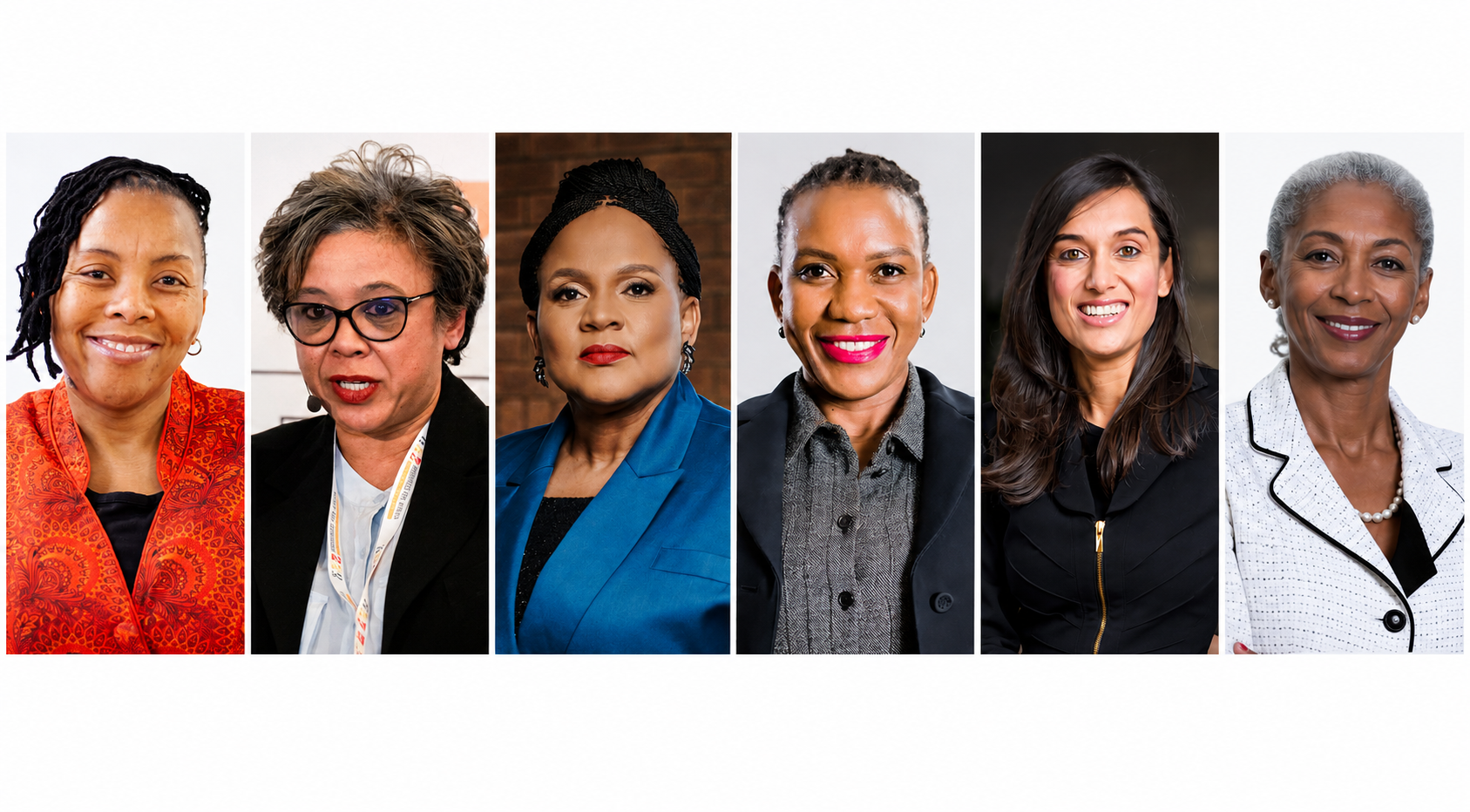
South Africa’s economy is a complex, high-stakes landscape where policy decisions ripple across industries, influence global trade, and shape the livelihoods of millions. While the headlines often highlight the male-dominated leadership of core economic ministries—such as Finance, Trade and Industry, and Competition—there is a far more dynamic reality unfolding beneath the surface. Behind the scenes, a cadre of women is steering the nation’s economic trajectory with precision, innovation, and resilience. Their influence spans from monetary policy and corporate governance to entrepreneurship and financial innovation, proving that South Africa’s economic future is being shaped by more than just the men in high-profile roles.
The Invisible Hand: Women in Monetary Policy and Financial Governance
One of the most critical yet underappreciated areas of economic leadership is the South African Reserve Bank (SARB), where women are making indelible marks on monetary policy and financial stability. While the Governor’s position remains male-dominated, the bank’s Board of Directors, Research Department, and operational divisions are increasingly led by women who wield significant influence over interest rates, inflation control, and financial regulations.
For instance, Dr. Annabel Bishop, a former Deputy Governor of the SARB, played a pivotal role in shaping the bank’s response to economic crises, including the 2008 financial meltdown and the COVID-19 pandemic. Her expertise in macroeconomic stability and financial risk management underscores how women are not just participants but architects of economic resilience. Similarly, the Research Department, where economists like Dr. Busisiwe Mavuso have contributed groundbreaking analyses on inflation trends, fiscal policy, and economic growth projections, ensures that data-driven decisions remain at the forefront of SARB’s strategy.
Beyond the Reserve Bank, women are also redefining corporate governance in South Africa’s financial sector. Institutions like the JSE Limited (Johannesburg Stock Exchange) have seen a rise in female executives leading market oversight, risk management, and digital transformation initiatives. Ms. Nombuso Dlamini, a former CEO of the JSE, championed reforms that enhanced transparency and investor confidence, while Ms. Thuli Makama, a prominent figure in financial services, has been instrumental in driving financial inclusion and sustainable investment strategies.
Industry and Trade: Women Shaping South Africa’s Competitive Edge
The Department of Trade, Industry and Competition (DTIC) is another bastion where women are reshaping South Africa’s industrial and trade policies. While the ministerial role has historically been male-dominated, the operational arms of the department—including policy analysts, industry strategists, and trade negotiators—are increasingly led by women who are pushing for diversification, innovation, and global competitiveness.
Ms. Nomalanga Mfeka, a former Director-General of the DTIC, was a key figure in negotiating trade agreements that expanded South Africa’s market access, particularly in the African Continental Free Trade Area (AfCFTA). Her leadership highlighted how women are not just implementing policies but crafting them to align with Africa’s economic integration goals. Similarly, within industrial policy, women like Dr. Busisiwe Mkhonza, a former CEO of the Industrial Development Corporation (IDC), have been instrumental in attracting foreign investment, supporting startups, and fostering innovation ecosystems.
The competition advocacy arm of the DTIC, where women like Ms. Thuli Madonsela (a former public protector) have influenced anti-monopoly regulations, ensures that markets remain fair and inclusive. Their work in promoting small and medium enterprises (SMEs) and fighting cartels has been crucial in leveling the playing field for South African businesses.
Finance and Fiscal Policy: The Women Behind the Numbers
The National Treasury, responsible for South Africa’s fiscal policy, budget allocations, and economic forecasting, is another domain where women are making strategic inroads. While the Minister of Finance’s role has traditionally been male, the research divisions, economic modeling teams, and fiscal policy analysts are increasingly led by women who shape the nation’s financial future.
Dr. Lesley Williams, a former Chief Economist at the National Treasury, was a leading voice in economic research, particularly in areas like fiscal sustainability and debt management. Her work provided critical insights that informed budget decisions during periods of economic uncertainty. Similarly, Ms. Busi Mkhize, a former Director-General of the National Treasury, played a pivotal role in implementing fiscal responsibility measures and social grant reforms, ensuring that economic policies remained both growth-oriented and socially equitable.
Beyond government, women are also leading financial institutions that drive investment and economic growth. Ms. Thuli Makama, CEO of Old Mutual Wealth, has been a trailblazer in financial advisory and wealth management, while Ms. Nompumelelo Gqabi, a former CEO of Standard Bank’s Retail Banking Division, has been instrumental in digital banking transformation and customer-centric financial services.
Entrepreneurship and Innovation: The New Economic Frontiers
South Africa’s economic future is not just shaped by policy but also by entrepreneurship and innovation, and women are at the forefront of this revolution. The Small Enterprise Development Agency (Seda) and Department of Small Business Development have seen a surge in female-led initiatives aimed at supporting startups, mentoring young entrepreneurs, and fostering innovation hubs.
Ms. Busi Mhlongo, a serial entrepreneur and investor, has been a driving force in accelerating women-owned businesses through her work with The Women’s World Banking and The Black Business Initiative. Her efforts have helped de-risk financing for women entrepreneurs, ensuring they have access to capital and markets. Similarly, Ms. Thuli Madonsela, through her Madonsela Advisory firm, has advised governments and corporations on corporate governance, ethics, and anti-corruption measures, further strengthening South Africa’s business environment.
In the tech and innovation sector, women like Ms. Busi Khumalo, CEO of Yoco, a fintech company, are disrupting traditional financial services by providing affordable payment solutions for SMEs. Meanwhile, Dr. Busi Ntuli, a former CEO of Naspers Africa, has been a key player in digital transformation and e-commerce growth, proving that women are not just participants in but shapers of the digital economy.
Challenges and the Path Forward
Despite their significant contributions, women in South Africa’s economy still face structural barriers, including gender pay gaps, limited access to senior leadership roles, and persistent stereotypes. However, initiatives like the Women in Finance Charter, Black Economic Empowerment (BEE) policies, and mentorship programs are gradually breaking these barriers.
Organizations like the Chief Executive Women (CEW) South Africa and The Women’s World Banking are actively working to increase female representation in boardrooms and C-suite positions. Additionally, government-backed programs such as the Women in Business Development Programme (WiBD) are providing training, funding, and networking opportunities for aspiring female entrepreneurs.
Conclusion: The Women Who Are Writing South Africa’s Economic Story
While the headlines may still focus on male-dominated leadership in South Africa’s economic ministries, the real drivers of change—the women shaping monetary policy, industry strategy, fiscal management, and entrepreneurial innovation—are working tirelessly behind the scenes. Their contributions are not just incremental but transformative, ensuring that South Africa’s economy remains resilient, inclusive, and future-ready.
From the Boardrooms of the SARB to the startup incubators of Cape Town, from the policy think tanks of Pretoria to the financial districts of Johannesburg, women are redefining what it means to lead an economy. Their story is one of perseverance, expertise, and vision—a testament to the fact that South Africa’s economic future is being built by more than just a few individuals in high-visibility roles. It is being shaped by a collective of women who are turning challenges into opportunities and vision into reality.
