


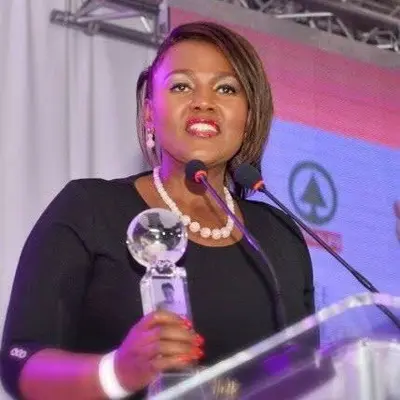
South Africa’s sporting landscape is as dynamic and diverse as its people, with every match, tournament, and athletic feat capable of stirring national pride. Yet, behind the roar of the crowd and the crack of a cricket bat, a silent yet powerful transformation has been taking place. For decades, sports broadcasting in South Africa was dominated by male voices, with women largely sidelined from the commentary booths, studio panels, and live broadcasts. However, a new generation of trailblazing women has shattered these barriers, redefining the narrative of how South African sports are told.
These women—commentators, presenters, analysts, and producers—have not only claimed their rightful place in the industry but have also elevated the quality of sports coverage, bringing depth, authenticity, and fresh perspectives to every broadcast. Their journey, marked by resilience, professionalism, and an unshakable commitment to excellence, has reshaped the face of sports media in the country.
The Pioneers Who Paved the Way
At the forefront of this revolution stands Cynthia Tshaka, widely regarded as the first black female sports broadcaster in South Africa and Africa. Her career began in the early 1990s, a time when women in sports media were an anomaly. Tshaka’s transition from radio to television at the SABC in 1995 marked the beginning of her legendary career. She anchored programs across multiple sports, including soccer (Laduma), basketball, boxing, swimming, athletics, rugby, and cricket, broadcasting on SABC 1, 2, and 3. Her coverage of the Olympic Games (1996–2008), Commonwealth Games, and iconic marathons like the Two Oceans and Comrades Marathons cemented her reputation as a versatile and authoritative voice in sports journalism.
One of her most memorable moments came during the 2006 FIFA World Cup bid, where her emotional reaction to South Africa’s defeat became a defining moment in African sports history. Years later, she delivered live commentary from Zurich as South Africa secured the 2010 World Cup bid, a triumphant moment that resonated across the continent. Beyond broadcasting, Tshaka produced and hosted Women Sports Talk on SuperSport 4, the first dedicated television program in South Africa and Africa focused solely on women in sport. Her advocacy work and induction into the GSport Hall of Fame further solidify her legacy as a mentor and pioneer.
Following in her footsteps is Kass Naidoo, often referred to as South Africa’s “First Lady of Sport.” Naidoo made history as the country’s first female television cricket commentator during the 2003 Cricket World Cup on SABC. Since then, she has become a staple in cricket broadcasting, working for SuperSport, Sky Sports, and The Hundred, while covering major ICC tournaments, including the 2023 Men’s Cricket World Cup and subsequent T20 and women’s events.
Naidoo’s calm authority and dedication to mentorship have inspired countless aspiring broadcasters. She has credited earlier figures like Tshaka for guiding her through the male-dominated industry, and in turn, she has become a beacon for women entering sports media. Through the GSport Trust, she continues to advocate for gender equality in sports, ensuring that future generations have the support they need to thrive.
Breaking Barriers in Football, Rugby, and Beyond
Carol Tshabalala, another titan in South African sports broadcasting, has spent over two decades shaping the industry. Beginning at the SABC in the early 2000s, she transitioned to SuperSport in 2011, where she anchors coverage for football, boxing, and rugby, as well as hosts high-profile programs. Her international experience includes collaborations with English Premier League Productions, and in 2011, she made history as the first African to host the FIFA Ballon d’Or.
Tshabalala’s commanding presence and deep knowledge of the game have made her a respected figure in global sports media. Her ability to engage audiences while maintaining professionalism has set a new standard for female broadcasters in Africa.
Lebo Motsoeli was another early trailblazer who helped normalize female voices in sports broadcasting. In the 2000s, she was among the first women to host dedicated sports programs on the SABC, covering major multisport events like the All Africa Games and the Paralympics. Her work during this period was instrumental in challenging stereotypes and proving that women could deliver insightful, engaging commentary across a wide range of sports.
The New Generation: Energy, Authenticity, and Innovation
The legacy of these pioneers has inspired a new wave of talented women who are further diversifying the landscape of South African sports broadcasting.
Mpho Maboi transitioned from entertainment radio at YFM to sports presenting at SuperSport, where she anchored the Ultimate Sport Show and covered major tournaments like the World Cup and Olympic Games. Her dynamic personality and deep passion for sports have made her a fan favorite, particularly in football coverage.
Xoli Zondo, the winner of the SABC Sport Presenter Search, has become a household name in South African sports media. She has worked extensively for SABC Sport, covering football, the Olympic Games, and the Commonwealth Games, while also presenting on 5FM. Her versatility extends to international productions for World Rugby and the ICC, and she has been recognized as a standout sports bulletin reader at the SA Radio Awards.
Layla Arrison made history as SuperSport’s first female English-language rugby commentator. A former Maties and Bulls player, she played a key role in pioneering women’s rugby at the university level before transitioning into broadcasting. Her authenticity and deep understanding of the game have made her a trusted voice in rugby commentary, covering the Currie Cup, United Rugby Championship, and international fixtures. Her work has opened doors for future female rugby analysts, proving that women can bring the same level of expertise and passion to the sport as their male counterparts.
Amanda Dlamini, a former Banyana Banyana captain and midfielder with over 100 international caps, has brought her on-field experience to sports analysis. After retiring, she joined SuperSport, where she covers domestic football and CAF competitions. In 2023, she made history again by becoming the first woman employed by CAF for official international television analysis of the men’s Africa Cup of Nations in Ivory Coast. Her insights and leadership continue to elevate the profile of women in sports media.
Multilingual Voices and Grassroots Advocacy
The influence of these women extends beyond English-language broadcasting. Dikeledi Letsiri, a prominent voice in Sesotho-language sports commentary, has become a distinctive figure in women’s football coverage for SABC Sport and the Hollywoodbets Super League. Starting in radio, she has expanded into television production and live commentary, offering specialized insights into the growth of women’s football while also covering cricket, rugby, and athletics.
At Lesedi FM, Letsiri is joined by Sebili Molefe, a long-serving sports presenter who hosts the popular Tsa Dipapadi show. Beyond her broadcasting career, Molefe founded the Yes Wena Girl Tournament, a grassroots initiative aimed at promoting netball and football among young women. Her work highlights the importance of empowering the next generation through sports.
Vaylen Kirtley spent two decades at the SABC as a sports anchor on Morning Live and other programs, covering the Olympic Games, World Cups, and Commonwealth Games. After leaving the public broadcaster, she continued her career at Newzroom Afrika as the sport editor, ensuring that high-quality sports journalism remains accessible to audiences.
Julia Stuart, a former print journalist, rose through the ranks at eNCA and SuperSport before becoming a polished studio anchor and pitch-side reporter. At SuperSport, she covered the DStv Premiership, English Premier League Productions, and major tournaments like the FIFA World Cup, UEFA Euros, and AFCON. Her transition to Premier League Productions in the UK further demonstrated her adaptability and expertise in global sports media.
The “First Lady of Rugby” and Beyond
Motshidisi Mohono, affectionately known as the “First Lady of Rugby,” is a powerhouse in SuperSport’s rugby coverage. She entered the industry through the Lady Rugga Search and has since anchored Rugby World Cup finals, Lions tours, Springbok Tests, and domestic competitions with unmatched authority. Her awards, including SA Sport Journalist of the Year, and her presence at the 2019 and 2023 Rugby World Cups have made her a role model for aspiring female journalists.
Tholakele Mnganga anchors sports for Eyewitness News and Primedia platforms, including 702, where she covers football, cricket, and rugby with sharp reporting and analysis. Her ability to engage audiences with clarity and passion has made her a staple in South African sports media.
Vusiwe Ngcobo, a former child star who rose to fame as part of a musical family, has become a lead anchor for SABC Sport. She has fronted coverage of the PSL, Women’s Africa Cup of Nations in Morocco, and major football properties, earning multiple GSport Awards for her contributions.
Mampho Tsotetsi, a former Spar Proteas netball player, brings her elite playing experience to radio and television analysis, particularly in netball coverage. Her insights have helped elevate the profile of a sport that has long been underserved by mainstream media.
Zanele Mdodana, a former Proteas captain and coach, has provided expert netball commentary for SuperSport during national championships. Her deep understanding of the game has been instrumental in raising awareness and interest in women’s netball.
A Legacy of Excellence and Resilience
The journey of these women has not been without challenges. Many faced skepticism, repeated proof of their competence, and the pressure of being among the first in their field. Cynthia Tshaka’s early presence in the 1990s created the first visible pathway, while figures like Kass Naidoo, Carol Tshabalala, Motshidisi Mohono, and Layla Arrison expanded that pathway for those who followed.
By excelling at the highest levels—whether through live commentary, studio analysis, or grassroots advocacy—these women have not only secured their places in sports broadcasting but have also created opportunities for future generations. Their work has made studios more inclusive, analyses richer, and inspired countless young girls to see themselves in roles traditionally dominated by men.
The Future of South African Sports Broadcasting
South Africa’s sporting achievements are celebrated not only on the field but also through the voices that narrate them. The presence of these women—whether as commentators, analysts, or producers—has transformed the way sports stories are told. They bring diverse perspectives, lived experiences, and unmatched expertise, ensuring that every goal, try, wicket, and victory is captured with depth and authenticity.
From the emotional intensity of Cynthia Tshaka’s live broadcasts to the technical precision of Kass Naidoo’s cricket commentary, from the grassroots advocacy of Sebili Molefe to the international acclaim of Carol Tshabalala, these women have redefined sports broadcasting in South Africa. Their legacy is one of excellence, resilience, and open doors—a testament to the power of perseverance and the transformative impact of women in media.
As South Africa continues to produce world-class athletes, it is equally fortunate to have world-class women telling their stories. Their collective influence ensures that the future of sports broadcasting is not just inclusive but also dynamic, innovative, and unapologetically South African.
