


The annual competition brings together primary and secondary schools from Kenya, Uganda, Tanzania, Rwanda, and Burundi.
Kenya heads into the 2026 edition as the defending champion after dethroning Uganda at last year’s championships held in Kakamega.
Ngugi noted that accessibility will be a key advantage for teams travelling to Morogoro, citing improved infrastructure, including the Standard Gauge Railway, which is expected to ease the movement of players and officials during the 12-day tournament.
Morogoro Teachers College (MOTCO) will serve as the main competition venue. Cricket matches will be staged at Sokoine University of Agriculture (SUA), which will also host boys’ secondary school teams.
Girls’ secondary school teams will be accommodated at Kilikala High School and MOTCO, while Bernhard Mendel Primary School will host Special Needs Education (SNE) students. Primary school teams will stay at Morogoro High School.
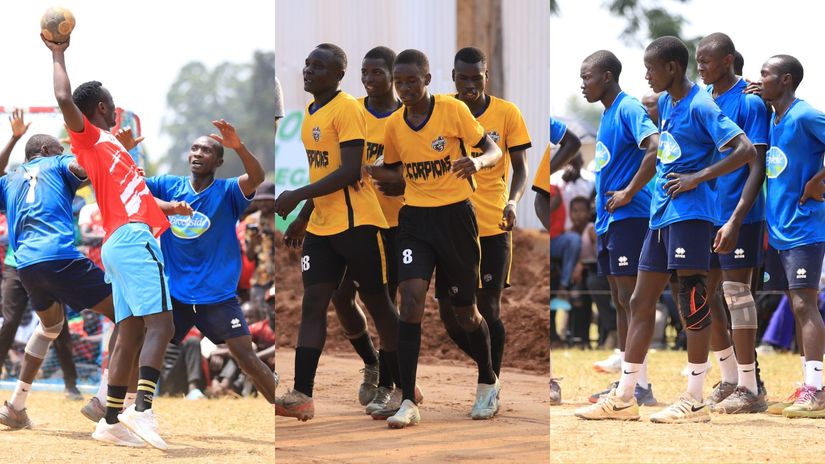
The 2026 edition could feature an expanded competition calendar following proposals to introduce additional sports.
Cricket, lacrosse, beach volleyball, beach football, cross country, and baseball are among the disciplines under consideration.
Beach volleyball and lacrosse were featured as demonstration sports during the Kakamega edition, while chess was officially included in the FEASSA program last year.
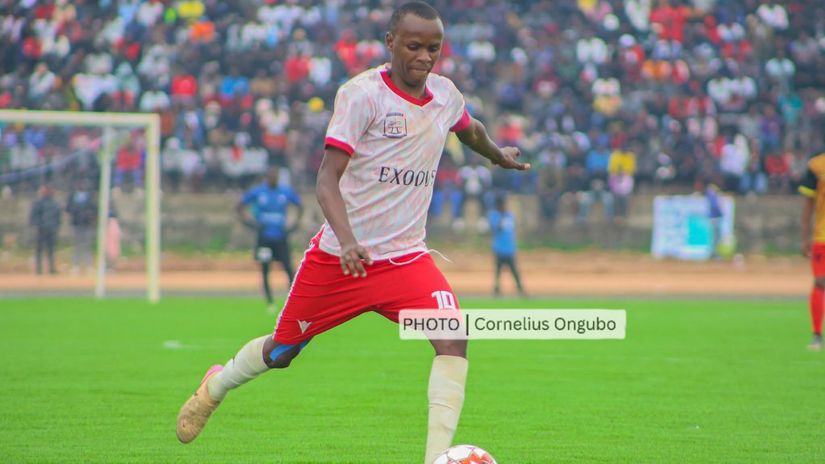
In the primary school category, there is also a proposal to integrate handball, tennis, badminton, table tennis, and cross-country into the program.
Currently, primary schools compete only in athletics, netball, football, and volleyball at the FEASSA level.
The proposed additions are expected to dominate discussions at the upcoming KSSSA Executive Committee meeting and Annual General Meeting scheduled within the next two weeks.
