Ghana Launches Revolutionary E-Visa System to Revolutionize African Travel and Trade Through Digital Innovation
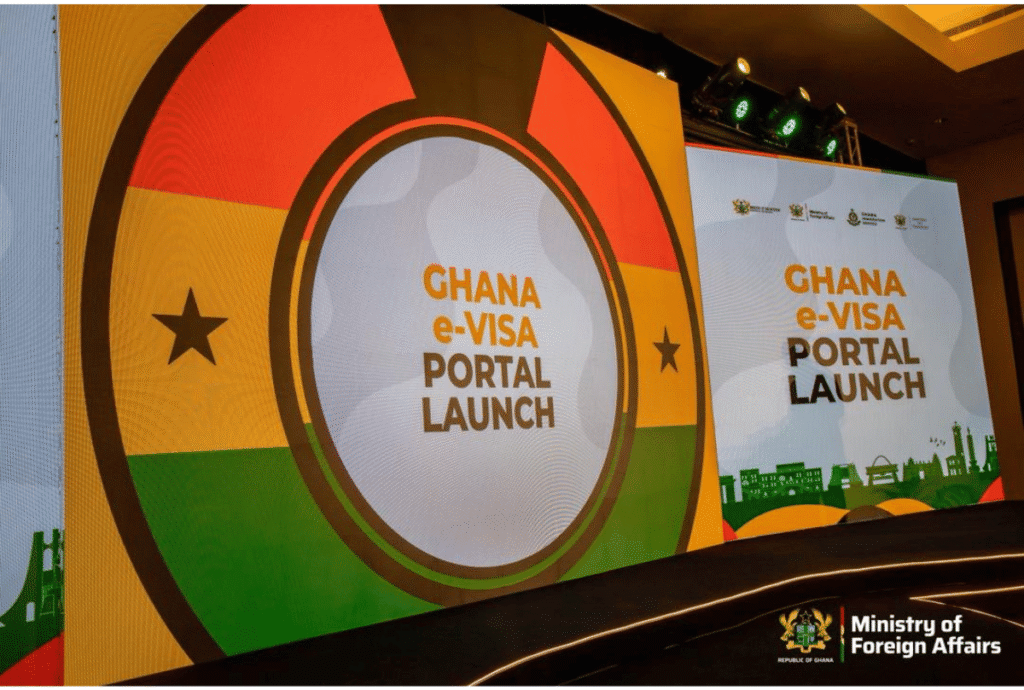
Ghana has taken a groundbreaking leap into the future of global mobility and continental integration by officially launching its fully digital electronic visa (e-visa) system, a transformative initiative designed to redefine immigration processes across Africa. The new platform, unveiled by President John Dramani Mahama on May 25, 2026, during celebrations commemorating the 63rd African Union Day, marks a pivotal shift from traditional, cumbersome visa procedures to a streamlined, technology-driven framework that enhances efficiency, transparency, and security.
A Paradigm Shift in Visa Processing
The e-visa system represents more than just a technological upgrade—it is a strategic overhaul of Ghana’s immigration infrastructure. By eliminating manual paperwork, reducing processing times, and minimizing human error, the platform ensures faster approvals, reduced corruption risks, and enhanced traveler convenience. This digital transformation aligns with Ghana’s broader vision of modernizing governance and public service delivery while positioning the country as a regional leader in digital innovation.
Removing Barriers to African Mobility
One of the most significant announcements accompanying the e-visa launch was the immediate waiver of visa fees for African passport holders traveling to Ghana. This decision, framed as a bold step toward African integration, directly supports the African Union’s Agenda 2063, which advocates for free movement and economic unity across the continent.
President Mahama emphasized that the fee waiver is not merely a gesture but a strategic investment in fostering intra-African tourism, trade, and investment. By removing financial barriers, Ghana aims to boost regional connectivity, encourage business travel, and strengthen the African Continental Free Trade Area (AfCFTA)—an economic bloc that seeks to eliminate tariffs and trade barriers among member states.
Ghana’s role as the host of the AfCFTA Secretariat in Accra further underscores its position as a hub for pan-African commerce and diplomacy. The e-visa system is expected to accelerate business interactions, facilitate smoother travel for African professionals, and position Ghana as a preferred destination for continental and international trade.
Enhancing Security and Strategic Border Management
While the e-visa system prioritizes efficiency and accessibility, it also incorporates robust digital security measures to prevent fraud and ensure compliance with international standards. Foreign Affairs Minister Samuel Okudzeto Ablakwa highlighted that the platform integrates biometric verification, encryption, and real-time monitoring—features that align with global best practices in immigration technology.
The minister further noted that secure, efficient border management is increasingly becoming a competitive advantage for nations seeking to attract foreign investment, tourism, and diplomatic engagement. By adopting cutting-edge technology, Ghana signals its commitment to balancing openness with stringent security protocols, ensuring that its borders remain both welcoming and well-protected.
Strengthening Pan-African and Afro-Caribbean Ties
The launch of the e-visa system also reinforced Ghana’s diplomatic leadership in fostering regional and international partnerships. Jamaica’s Foreign Minister, Kamina Johnson Smith, praised Ghana’s proactive approach to advancing Pan-Africanism and its support for Caribbean nations, particularly in post-disaster recovery efforts following Hurricane Melissa.
Minister Johnson’s remarks underscored the growing collaboration between Africa and the Caribbean, with Ghana serving as a bridge for cultural, economic, and humanitarian exchanges. The e-visa initiative is expected to facilitate easier travel between African and Caribbean nations, further solidifying these strategic alliances.
Future Integration and Expanded Benefits
Beyond visa processing, Ghana’s e-visa platform is designed to seamlessly integrate with the country’s broader border management infrastructure. Officials announced plans to expand the system’s capabilities, including:
– Automated passenger screening to enhance airport efficiency.
– Real-time travel coordination for tourists and business travelers.
– Enhanced data analytics to improve decision-making in immigration policy.
These advancements are intended to elevate the overall travel experience while ensuring that Ghana remains at the forefront of digital border innovation in Africa.
A Multistakeholder Commitment to Digital Transformation
The e-visa launch was attended by diplomats, aviation industry leaders, security agencies, tourism operators, and government officials, reflecting the broad consensus on the initiative’s importance. The event underscored Ghana’s multifaceted approach to digital transformation, emphasizing:
– Innovation in public service delivery.
– Strengthening regional economic integration.
– Positioning Ghana as a gateway for African and global trade.
Conclusion: A New Era for African Mobility
Ghana’s e-visa system is more than a technological upgrade—it is a visionary step toward a more connected, efficient, and prosperous Africa. By leveraging digital innovation, removing financial barriers, and fostering strategic partnerships, the initiative sets a new standard for visa processing while aligning with the continent’s long-term economic and social goals.
As Ghana continues to lead by example, the e-visa platform serves as a blueprint for other African nations seeking to modernize their immigration systems, boost intra-African trade, and enhance regional mobility. In doing so, it reinforces Ghana’s role as a pioneer in Africa’s digital future.