


By Albert Allotey
Accra, Sept. 7, GNA – Dr Sulemana Yussif, Technical Advisor to the Minister of Energy and Green Transition on Petroleum has assured the public of government’s commitment to providing the second Gas Processing Plant (GPP2) for a reliable and cost-effective power supply.
He said “The GPP2 project has progressed, and that of the pipeline was still in the making while the feed had been done. The feed is in the custody of Ghana Gas.
“So, hopefully within three years deadline something concrete would be achieved. We are targeting the first quarter of 2028 for the mechanical completion of the project, and for which commissioning would be in the second quarter.”
Dr Yussif gave the assurance in an interview with the Ghana News Agency after a panel discussion on the topic; “Ghana’s Energy Sector Infrastructure Bottlenecks: An Importance of GPP2 and Onshore Natural Gas Pipeline.”
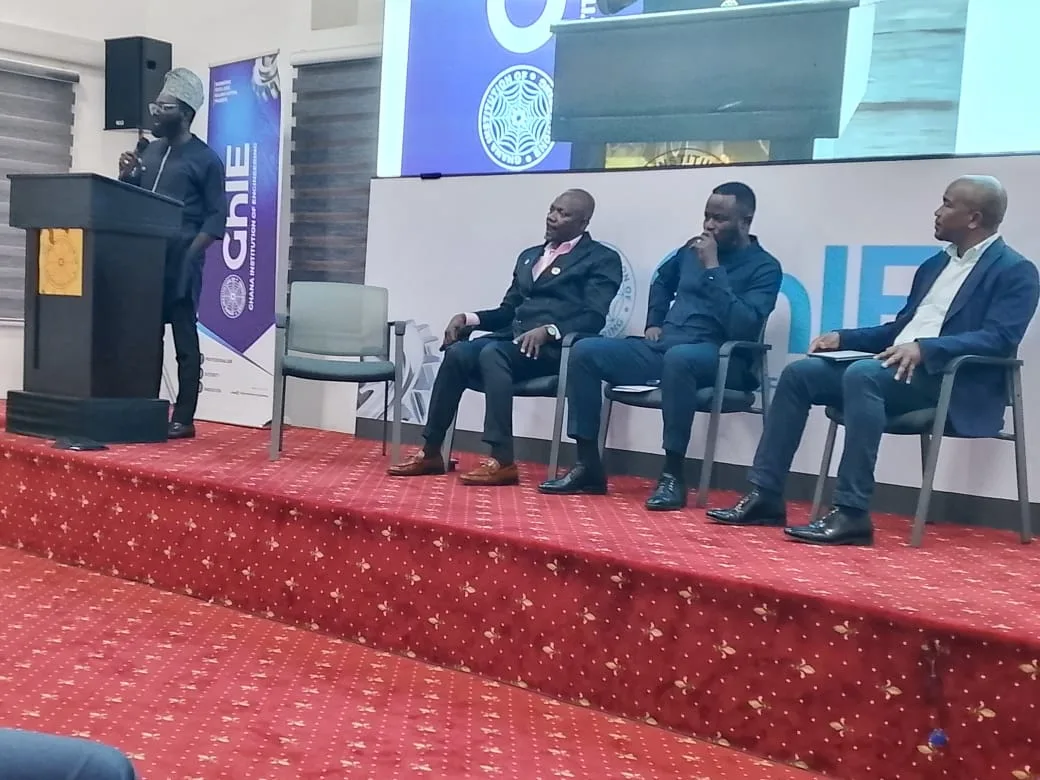
Other members of the panel were Mr Obed Opoku, Manager, Gas Business, Volta River Authority, Mr Emmanuel Tamakloe, Manager, Gas Business, Ghana National Petroleum Corporation, and Mr Maxwell Kally, Geneal Manager, Engineering and Maintenance, Ghana National Gas Company Limited.
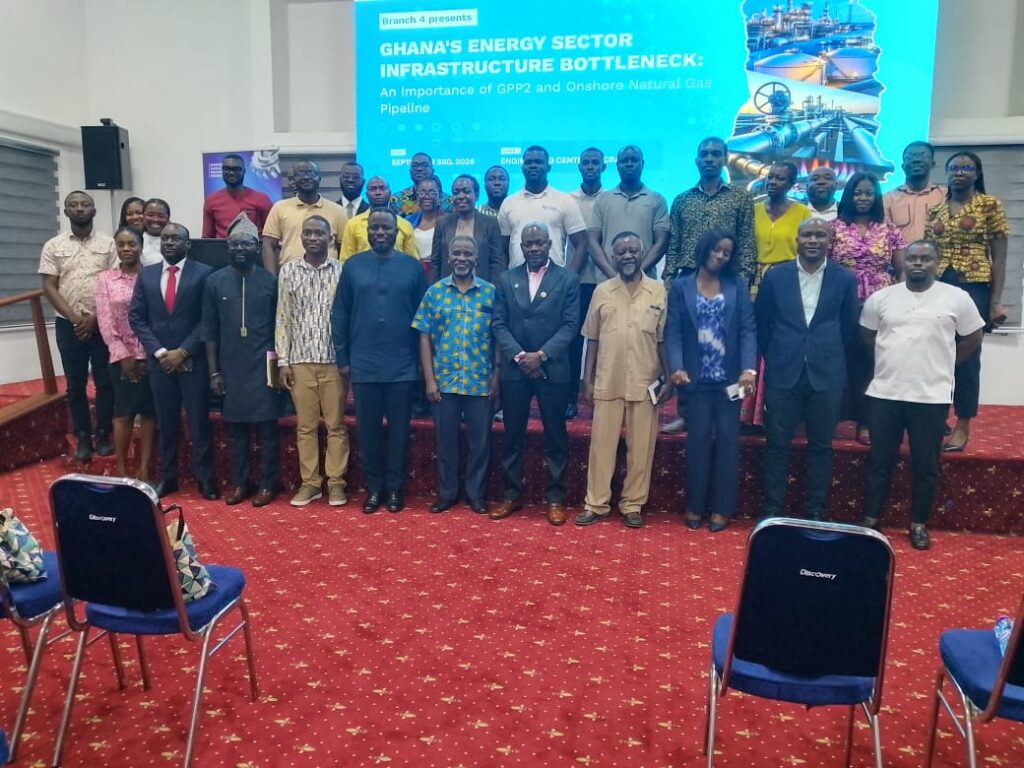
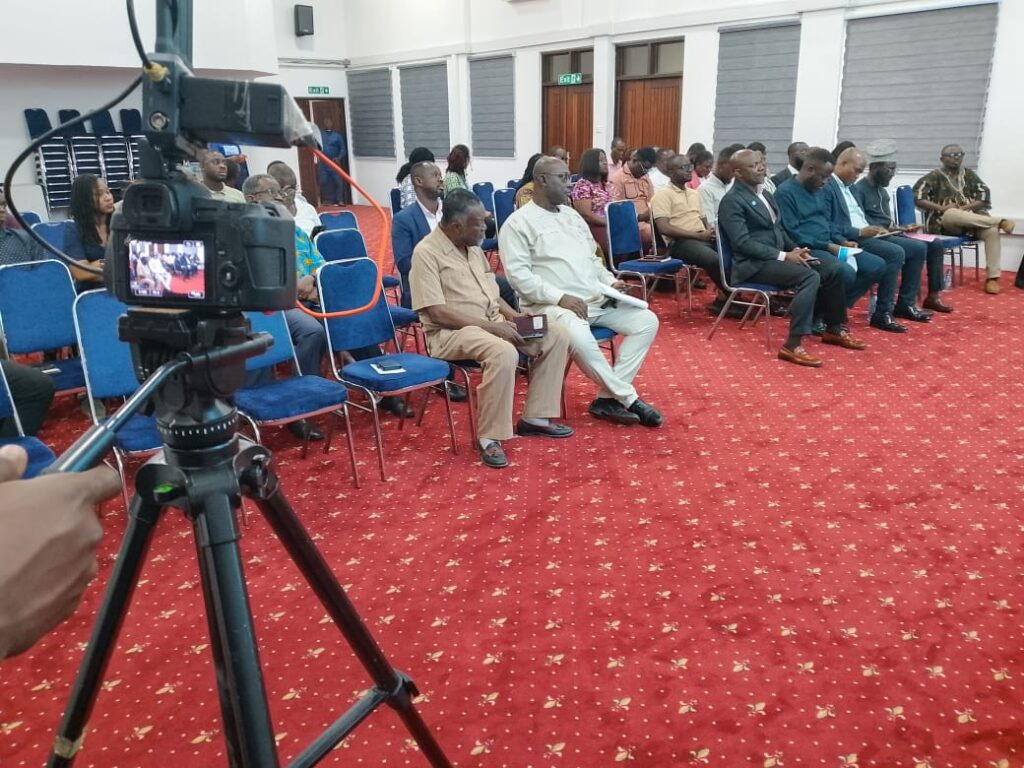
The event was organised by the Greater Accra branch of the Ghana Institution of Engineering and held in Accra at the Engineering Centre and moderated by the Chairman Mr Frank Pinto, Greater Accra Senior Manager, Commercial Services Department, Bui Power Authority.
Mr Yussif said the current government do not want to repeat the mistake made some 10 years ago by delaying the project and that the Ghana Gas and the Ghana National Petroleum Company would ensure that the GPP2 was implemented in record time, adding that the progress made so far was phenomenal.
Mr Tamakloe on his part said the issue of GPP1 and GPP2 were fundamentally gas processing plants and the products they produced were LPG and dry gas which were useful for the current power generation.
The GPP1 was brought at the back of Jubilee discovery essentially to take gas from Jubilee, process at the capacity of 150 million standard cubic feet.
“However, moving forward there is the need for additional gas for power generation, so what GPP2 is seeking to do is to process additional gas for power generation,” he stated.
He said the main difference between GPP1 and GPP2 was largely in terms of technology – GPP2 was to use technology to deploy gas but they were both complementing each other, however the GPP1 would still be in operation and process about 100 to 130 million standard cubic feet of gas and the GPP2 would produce additional gas.
Mr Kally in his contribution said with more production of gas it was going to optimise the oil production of the country, adding that in the same vein upstream players would get investment.
“With the additional gas plant coming on board it would further capitalise investment into the upstream to bring more oil and gas, but they want to have a guarantee of who is coming to take the gas,” he stated.
Mr Kally appealed to the government to support Ghana Gas to expedite the construction of gas pipelines across the country since Ghana was five years behind schedule and it would bring about jobs, market, among others.
“So, helping Ghana Gas to develop pipelines is very imperative to solve most of the problems that we have. The policy we have as gas to power is not resilient enough. There should be a policy for gas to industrialisation, gas to fertilizer, gas to homes. That would give us a comprehensive resilient of the utilisation of gas, “he stated
“We must position ourselves as a country to ensure that the lessons learnt in the past do not affect us into the future and therefore Ghana Gas must be supported to lead in the implementation of the gas pipelines” he stated.
Mr Pinto explained that the Accra branch of the Ghana Institution of Engineering organised the event as part of their 2026/2027 programme to carry out in-person dialogue on the energy sector infrastructure bottlenecks.
He said as engineers they assessed the challenges through conversation and how they could proffer solutions to them and some of the panellists had proposed the implementation of GPP2 to augment GPP1.
They also supported the construction of the natural gas pipeline from Abuadzi to Tema and continue from Tema to Kumasi to have the triangular session “all to ensure energy security and reliability.”
GNA
Edited by George-Ramsey Benamba
