


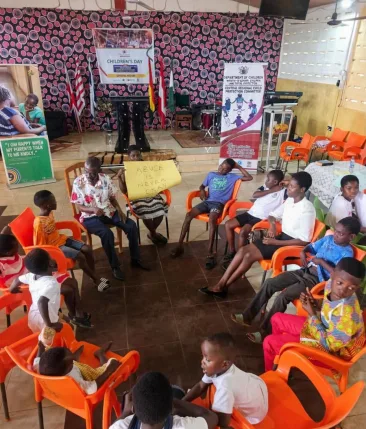
Child advocate, Ms Juanita Antwis, has called on the government and other stakeholders to actively involve children in decisions and policies that directly affect their lives and wellbeing.
She said children deserved to be heard, protected and given opportunities to express their views on issues concerning their education, health, safety and development.
Ms Antwis said although adults often made decisions in the best interests of children, they sometimes failed to seek their views, resulting in policies and interventions that might not fully address their needs.
She made the call in an interview with the Ghana News Agency during the celebration of the Oguaa Fetu Afahye Children’s Day event.
“We need to be heard and protected,” Ms Antwis said, stressing that children should not be regarded only as beneficiaries of policies but also as important stakeholders whose opinions must be considered.
She urged the government to create safe and child-friendly platforms where children could freely express their concerns without fear of intimidation or discrimination.
Ms Antwis also called for stronger enforcement of child protection laws and increased public education to enable parents, teachers, community leaders and institutions to better understand their responsibilities towards children.
She said protecting children required a collective effort, adding that communities must remain vigilant and report suspected cases of abuse and exploitation to the appropriate authorities.
She further appealed to parents and guardians to create an environment where children could confidently speak about challenges affecting them.
According to Ms Antwis, meaningful participation of children in decision-making would not only promote their rights but also contribute to building a society where children could grow in safe and supportive environments.
The call comes as child protection stakeholders, particularly the Department of Children in the Central Region, continue to advocate greater attention to children’s rights and welfare, especially in areas where children remain vulnerable to abuse, neglect and exploitation.
