


The World Bank has raised concerns over the extent to which Ghana’s recent economic growth is translating into improved living conditions, saying 56.4% of the population remains in poverty.
The Bank said widening disparities across different parts of the country point to a growing disconnect between Ghana’s headline economic performance and the realities faced by many households.
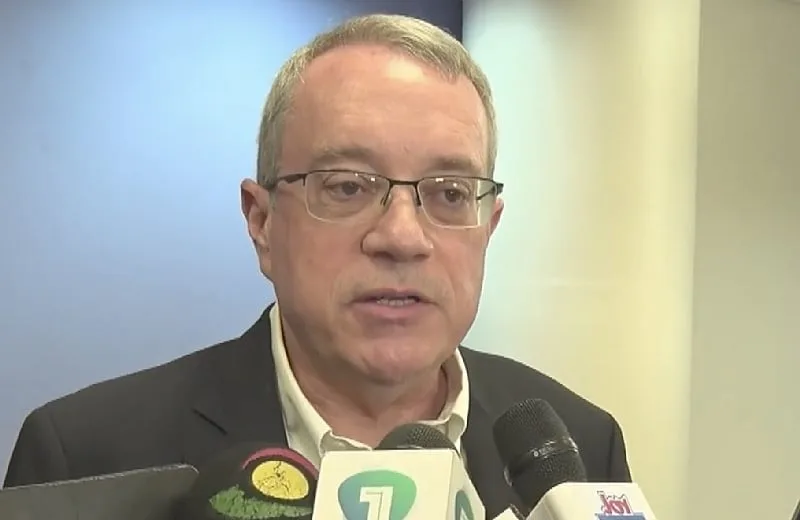
Speaking at the launch of the World Bank Group’s 10th Ghana Economic Update, World Bank Division Director for Ghana, Liberia and Sierra Leone, Dr Robert Taliercio O’Brien, said the benefits of economic growth had yet to reach a significant proportion of the population.
“56.4% of Ghanaians remain in poverty. And spatial disparities are widening,” Dr Taliercio O’Brien said.
He said the figures highlighted a significant gap between the country’s reported economic growth and improvements in the welfare of ordinary citizens.
“… a disconnect between the headline growth that is yet to reach most of the population,” he remarked.
The World Bank also identified the structure of Ghana’s economic growth as a major concern, noting that some of the sectors driving expansion have limited capacity to create jobs.
Dr Taliercio O’Brien said the situation could become more challenging as Ghana’s growing youth population continues to enter the labour market over the next decade.
“Growth is led by sectors with limited employment absorption relative to its growing young population entering the labour market in the next decade,” he said.
He described the situation as “a structural imbalance that also demands urgent attention,” stressing the need for policies that can make economic growth more inclusive and generate sufficient employment opportunities.
