


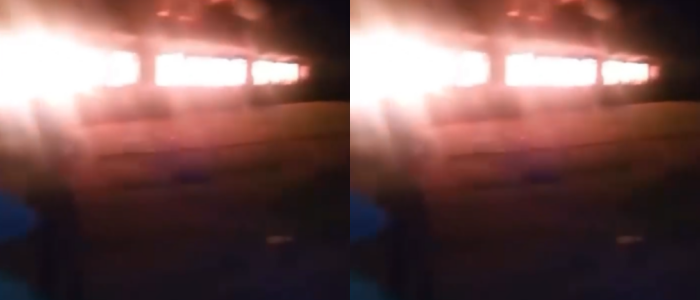
A catastrophic fire broke out late last night at the Wa Islamic Senior High School (SHS) girls’ hostel, sending shockwaves through the community and prompting an immediate emergency response. Eyewitnesses and school authorities confirm that the blaze, which erupted around 10:30 PM, rapidly spread through multiple sections of the dormitory, forcing residents to evacuate in a frantic rush. The fire, which has since been contained by firefighters, has left behind a scene of destruction, raising critical questions about safety protocols, infrastructure, and the welfare of students in boarding institutions across the region.
The Scale of the Incident
The fire, described by local residents as intense and fast-moving, engulfed at least three of the four dormitory blocks before firefighters from the Wa Municipal Fire Service arrived on the scene. The blaze was reportedly fueled by electrical faults, though investigations are still ongoing to determine the exact cause. Witnesses reported dense smoke filling the air, forcing students to jump from windows and flee to safer grounds. Some students suffered minor injuries, including burns and smoke inhalation, while others were left emotionally traumatized by the harrowing experience.
The Wa Islamic SHS is one of the most prominent secondary schools in the Upper West Region, housing over 1,200 students in its boarding facilities. The hostel, which accommodates approximately 300 female students, serves as a critical living space for many pupils from distant communities. The fire has not only disrupted the academic calendar but has also exposed critical vulnerabilities in the school’s safety infrastructure.
Emergency Response and Rescue Operations
Firefighters, supported by local volunteers and security personnel, worked tirelessly throughout the night to extinguish the flames and prevent further spread. The Wa Municipal Fire Service, in collaboration with the Ghana Fire Service, deployed multiple fire trucks, hoses, and extinguishing agents to control the blaze. Despite the efforts, significant damage was recorded, including collapsed ceilings, charred furniture, and destroyed personal belongings of students.
The Ghana Police Service has also deployed officers to the scene to assist in investigations and ensure the safety of students and staff. Authorities have urged calm among the affected students, assuring them that temporary accommodation will be arranged while repairs are underway. The Ministry of Education has been notified, and a high-level delegation is expected to visit the school to assess the situation and provide necessary support.
Student Reactions and Psychological Impact
The fire has left many students shaken and distressed, with some expressing fear of returning to the hostel. Psychological support services have been mobilized to assist affected students, who are reportedly experiencing anxiety, sleep disturbances, and nightmares due to the traumatic experience. The school administration has announced counseling sessions and support groups to help students cope with the aftermath.
One student, who wished to remain anonymous, recounted the terrifying moments leading up to the evacuation:
“We heard a loud bang, and suddenly smoke started filling the room. The fire spread so fast that we couldn’t even grab our bags. We had to jump out of the windows and run as fast as we could. It was the scariest thing I’ve ever experienced.”
Safety Concerns and Infrastructure Issues
The incident has reignited debates about fire safety standards in Ghanaian schools, particularly in boarding institutions. Experts warn that poor electrical wiring, lack of fire extinguishers, and inadequate emergency exits are common risks in many secondary schools across the country.
The Wa Islamic SHS is not the first institution to face such a disaster. In recent years, fires in boarding schools—including the Koforidua SHS fire in 2019 and the Kumasi SHS dormitory fire in 2021—have highlighted systemic failures in fire prevention and response mechanisms.
Fire safety experts have called for:
– Regular fire drills to ensure students and staff know evacuation procedures.
– Installation of smoke detectors and fire alarms in all dormitories.
– Stricter electrical inspections to prevent wiring faults.
– Provision of fire extinguishers and first-aid kits in every hostel block.
Government and Institutional Response
The Ministry of Education has expressed deep concern over the incident and has directed regional education directors to conduct immediate safety audits of all boarding schools. The Ghana Fire Service has also been tasked with inspecting high-risk institutions and providing fire safety training for staff and students.
The Wa Metropolitan Chief Executive (MCE), Alhaji Abdulai Ibrahim, has condemned the fire as a “preventable tragedy” and has pledged full support for the school’s recovery efforts. The MCE has also directed the Wa Municipal Assembly to allocate emergency funds for repairs and temporary housing for displaced students.
Way Forward: Lessons and Preventive Measures
While the immediate aftermath of the fire is being managed, long-term solutions must be implemented to prevent similar disasters. Key steps include:
- Enhanced Fire Safety Regulations – The government must enforce stricter building codes for schools, particularly those with boarding facilities.
- Investment in Fire Prevention – Schools should be equipped with automated fire suppression systems, emergency lighting, and clear evacuation routes.
- Public Awareness Campaigns – Regular fire safety workshops should be conducted to educate students and staff on prevention, detection, and response.
- Insurance Coverage – Schools should ensure they have adequate insurance policies to cover damages and medical emergencies.
- Community Involvement – Local fire departments should work closely with schools to conduct drills and inspections.
Conclusion
The fire at the Wa Islamic SHS girls’ hostel serves as a sobering reminder of the critical need for fire safety reforms in Ghana’s educational institutions. While efforts are underway to rebuild and restore normalcy, the incident underscores the urgency of proactive measures to protect students from such preventable tragedies. As investigations continue, the focus must remain on preventing future disasters through better infrastructure, stricter regulations, and heightened awareness.
The Wa community, students, and educators are now left to grapple with the physical and emotional scars of the fire, but the lessons learned from this tragedy must drive meaningful change in school safety standards across the nation.
