


Steel manufacturers have called for measures to lower the cost
of production, curb the entry of substandard products and create a predictable business
environment in the country.
This, they say, will enable Kenya’s steel industry to increase production and compete in regional
and international markets.
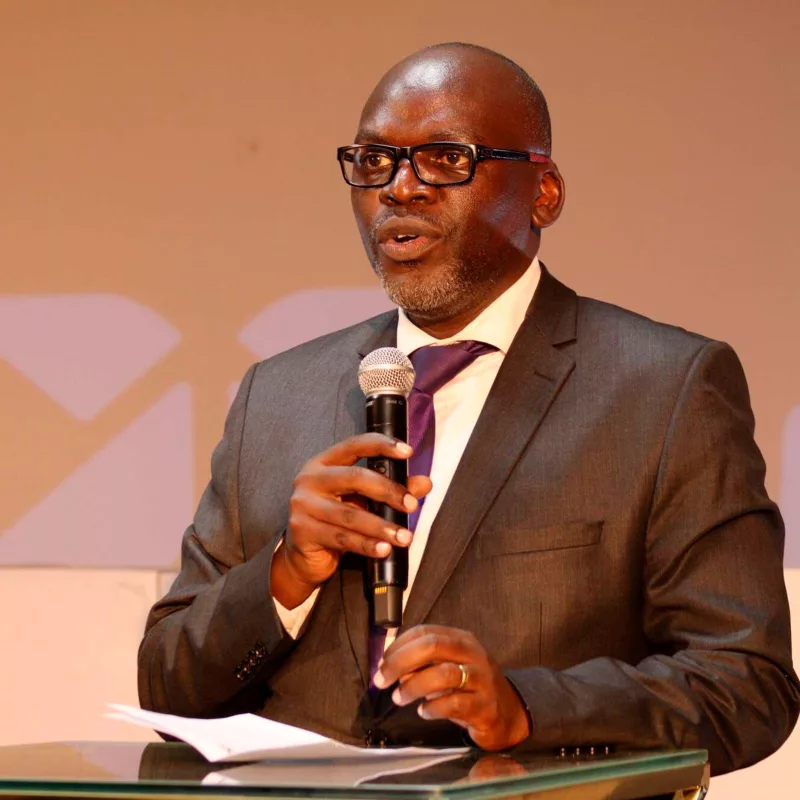
Speaking during a two-day East African Steel Summit in Nairobi, which ended yesterday, Kenya Association of Manufacturers CEO Tobias Alando noted that the country’s steel industry has grown from the manufacture of nails in 1948 into a diversified industry.
It now covers hot and cold rolling, wire products, tubes and pipes, fabrication and aluminium products.
The
industry accounts for about 13 per cent of Kenya’s manufacturing sector and contributes approximately Sh34
billion in taxes annually.
However, much of the country’s steel production capacity remains unused.
“The
sector has an installed capacity of 4.2 million tonnes but currently operates at only 36 per cent of that capacity,” Alando said.
In 2025, Kenya imported about 1.66 million tonnes of iron and steel products while exporting
approximately 197,000 tonnes.
“This low-capacity utilisation is on the back of high cost of raw materials and
production, declining exports of finished steel products, cheap imports and unpredictable tax policies,” Alando noted.
According to manufacturers, increasing local steel production would enable the country to meet growing
demand.
“Despite the capacity we have built over the years, Kenya continues to import substantial volumes of steel
products. This presents an opportunity to expand local production, deepen value addition, strengthen local
supply chains and reduce our dependence on imports,” he said.
A strong steel industry, KAM notes, is central to industrialisation because it supports construction, transport, energy and other industries that drive
economic growth.
Steel demand is expected to grow as Kenya continues to invest in affordable housing, roads,
railways, ports, industrial parks and energy projects.
Manufacturers also have access to wider
markets through the African Continental Free Trade Area (AfCFTA), COMESA and the Kenya-
EU Economic Partnership Agreement.
Alando, however, noted that manufacturers will only take advantage of these opportunities
if the country addresses the cost and competitiveness challenges facing the industry.
“High
energy costs, substandard and illicit products, regulatory unpredictability, limited access to affordable
financing and increasing pressure from low-cost imports continue to constrain the growth of our industry,” he said.
“Addressing these challenges requires government, industry, financial institutions and development
partners to work together to create an environment that supports investment and local production.”
KAM Metal and Allied Sector Chairman Bobby Johnson said the growth of the steel industry is
closely tied to East Africa’s infrastructure and industrial development.
“Every home, every kilometre
of road and rail, every hospital and school being built today depends on the work of this industry. As
investment in affordable housing, transport, energy and other infrastructure grows, our manufacturers
are ready to meet this demand and realize the full potential of the steel sector,” said Johnson.
He also called for stronger enforcement of standards and greater cooperation among East African
Community partner states to address substandard steel products entering the market.
“The people who live in the homes we build, use our roads and work in our buildings trust that the steel
used in those structures meets the required standards. We must protect that trust,” he said.
Sector players say harmonised standards
that are fairly and consistently enforced across the East African Community will protect consumers,
support manufacturers that comply with the law and strengthen the regional steel industry.
The summit, convened by KAM in partnership
with Steel Giant, brought together over 400 delegates and exhibitors, including steel
manufacturers, processors, traders, policymakers, equipment and technology providers,
financiers and other players in the steel value chain.
It provided a platform for industry players to
discuss the future of steel production, trade, technology, investment and sustainability in East
Africa.
