


By Eric Appah Marfo
Accra, June 5, GNA – The Reverend Dr. Cyril G.K. Fayose, General Secretary of the Christian Council of Ghana (CCG), has advised Ghanaians to stop the indiscriminate disposal of waste, building on waterways, and other environmentally harmful practices.
He said many of the country’s recurring environmental challenges were largely the result of human attitudes and behaviour, and called for attitudinal change towards the environment.
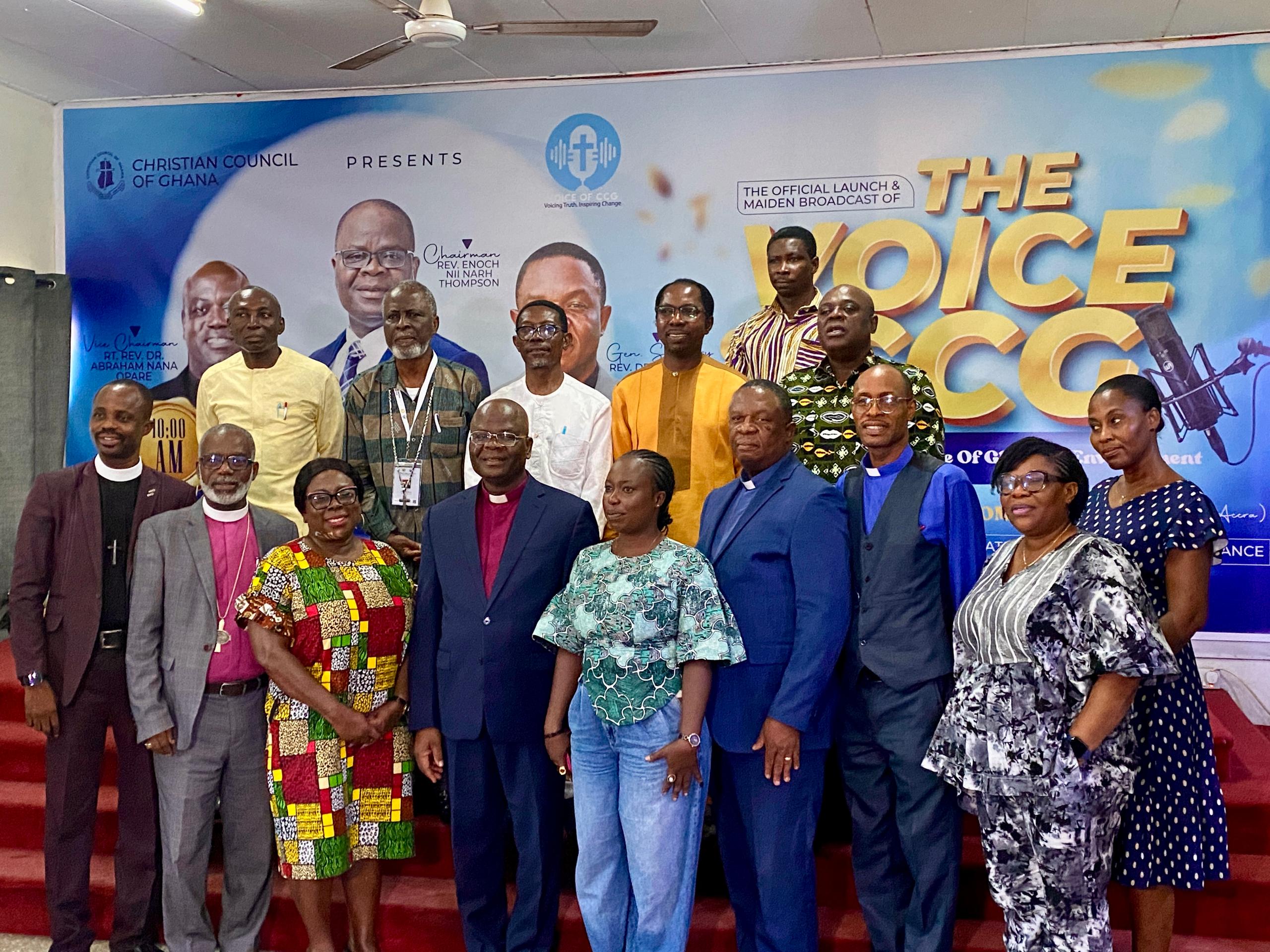
The General Secretary was speaking at the launch of the Voice of CCG, a new communication platform, aimed at amplifying the Council’s positions on national issues, on Friday in Accra.
The launch coincided with the commemoration of World Environment Day 2026, officially being observed in Azerbaijan on the theme: “Inspired by Nature for Climate and Our Future.”
The Voice of CCG will be rolled out through weekly press briefings, panel discussions, interviews, studio productions, and stakeholder engagements.
The initiative will be carried live through online channels and supported by member churches and affiliated media outlets to ensure wider dissemination of the Council’s messages and follow-up engagements on issues of national concern.
Rev. Dr. Fayose said the occasion offered an opportunity not only to celebrate nature but also to critically assess the state of Ghana’s environment and the collective responsibility required to preserve it.
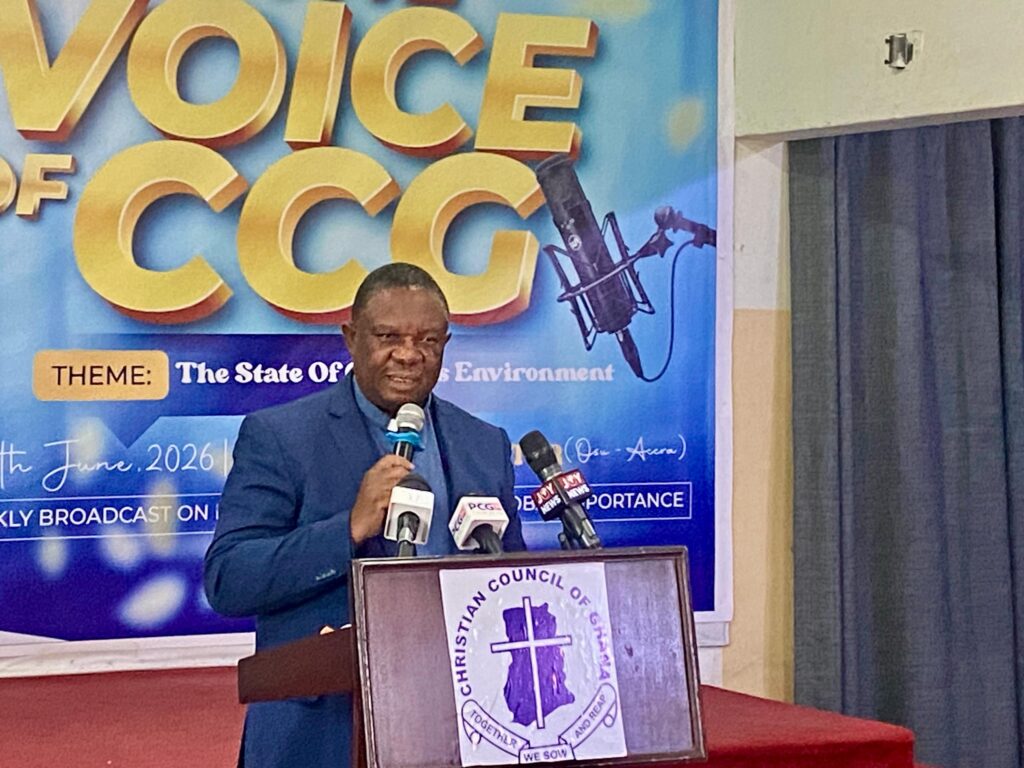
He described the environment as God’s creation entrusted to humanity for care, protection, and responsible stewardship.
Rev. Dr. Fayose said that despite this sacred responsibility, humanity had not always been faithful in caring for God’s creation.
He said drains and waterways designed to channel rainwater had increasingly become dumping sites for waste, resulting in floods that caused business losses, displacement of families, and increased outbreaks of diseases.
Rev. Dr. Fayose also linked poor waste management to climate change, explaining that poorly managed waste disposal systems contributed to greenhouse gas emissions and weakened the country’s ability to adapt to changing climatic conditions.
He referred to the heavy rains of June 3 and 4, which caused severe flooding in parts of Accra and other regions, submerging homes, hospitals, schools, markets, residential communities, and even correctional facilities, disrupting transportation and endangering lives.
The General Secretary said the incidents brought back memories of the June 3, 2015 flood and fire disaster that claimed more than 150 lives and left many families devastated.
He said flooding was not a new challenge, referencing newspaper reports from the 1960s that highlighted severe flooding in Accra.
Rev. Dr. Fayose said that despite significant investments by successive governments in drainage systems, dredging operations, flood control projects, and ecological restoration initiatives, flooding continued to persist.
While acknowledging the importance of infrastructure, he argued that the country’s greatest environmental challenge was ultimately a human one.
“Drains do not choke by themselves. Rivers do not become polluted on their own. Forests do not destroy themselves. Waterways do not become blocked without human action,” he said.
Rev. Dr. Fayose advocated what he described as a “soft approach” centred on the transformation of attitudes, values, habits, and behaviour.
He called for the nurturing of children with an understanding that littering was unacceptable, for communities to take ownership of their surroundings, and for public officials to enforce regulations with integrity and fairness.
The clergyman said churches, mosques, and other religious institutions had unique opportunities to shape attitudes and influence behaviour because they engaged millions of Ghanaians every week.
He urged them to demonstrate greater commitment to environmental advocacy, education, recycling initiatives, clean-up campaigns, and tree planting.
The clergyman urged the government to ensure the strict, consistent, and impartial enforcement of environmental and sanitation laws, adding that political considerations should never override environmental protection.
He noted the need for stronger measures to combat illegal mining and protect Ghana’s water bodies, forests, and farmlands.
Dr. Joyce Larko Steiner, Director of Programmes and Advocacy at the Christian Council of Ghana, said the launch of the Voice of CCG formed part of efforts to reposition the Council in an evolving communication environment.
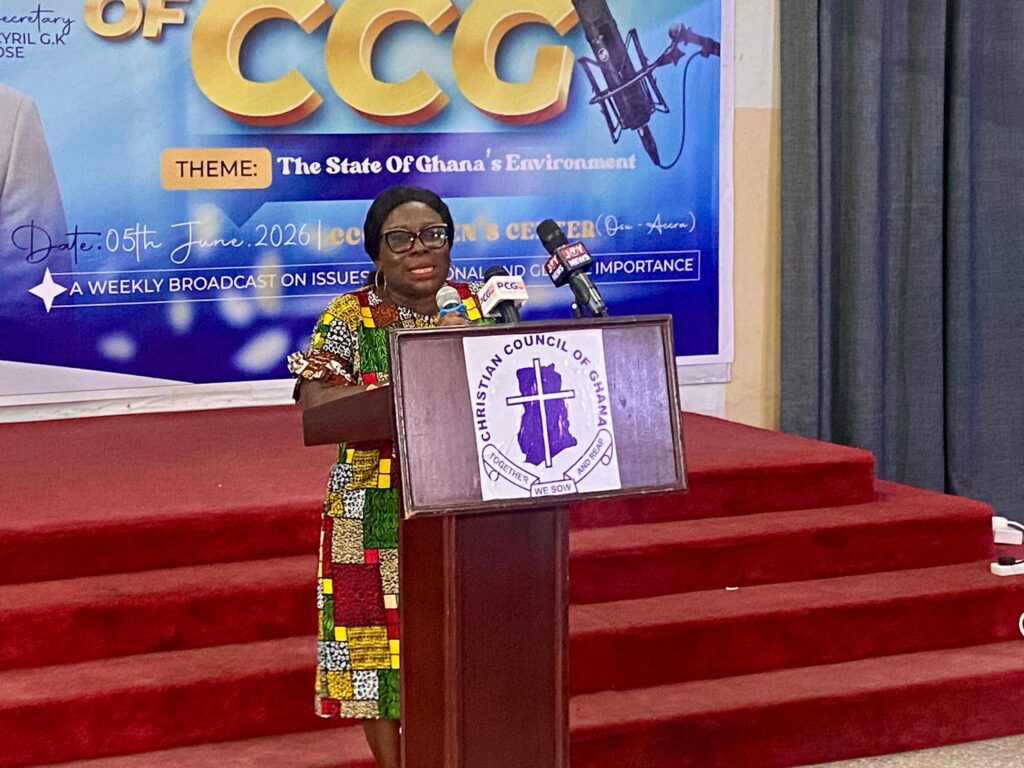
Describing the Council as an old institution with enduring wisdom, she said organisations must adapt to changing times to remain relevant.
“Society is dynamic, and at each point in time in the life of an organisation, you want to fit into the current trend,” she said.
She noted that with growing reliance on social media and digital communication, the Council recognised the need to make its work more visible and accessible to the public.
“Sometimes people ask whether we are still around because we don’t showcase what we do and the relevance of this institution to them,” she said.
The Voice of CCG, she explained, would enable citizens to hear directly from the Council on issues relating to the environment, governance, human rights, gender, peacebuilding, interfaith relations, and other national concerns.
“We do a lot of things on the quiet. How will you know? How will you hear us? So now we want you to hear our voices in the comfort of your home,” she said.
She encouraged the public to engage with the platform and follow the Council’s activities, saying the initiative would bring the Council’s work closer to people in their homes, offices, vehicles, and communities.
GNA
Reporter: Eric Appah Marfo
[email protected]
Edited by Samuel Osei-Frempong
