


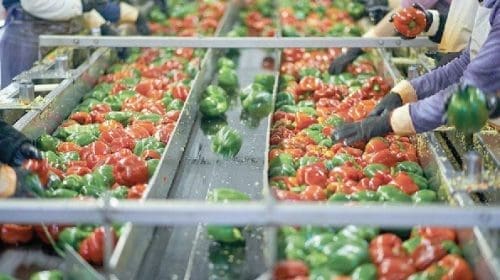
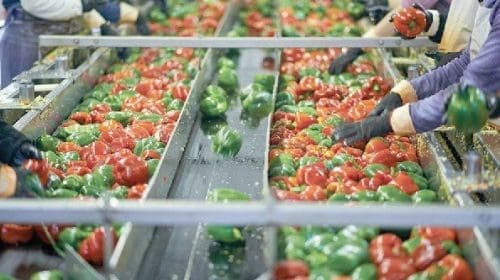
Promoting agro-processing as a guaranteed safety net for farmers is a trap that often destroys capital instead of adding value, agriculture strategist Augustine Adongo has warned.
Adongo, a former chief executive of the Federation of Associations of Ghanaian Exporters (FAGE), says processing is a separate, unforgiving industry rather than an extension of farming. It piles on overheads, he argues, including machinery, regulatory approvals such as Food and Drugs Authority (FDA) and Hazard Analysis and Critical Control Points (HACCP) certification, and heavy depreciation when seasonal plants sit idle.
He sets four tests any processing venture must pass: reliable raw materials for about ten months a year, backup water and power, enough working capital to absorb delayed retail payments, and crop varieties bred for manufacturing rather than the fresh market. Failing even two, he says, signals a venture that will bleed cash.
Far from cushioning farmers against volatility, processing can magnify it. A poor harvest or fuel shortage can halt a whole plant while fixed costs mount, and packaging swaps the risk of spoilage for retail slotting fees, cold storage bills and penalties for expired stock.
Adongo defines real value addition as earning more per hectare, not merely changing a crop’s form. He urges farmers toward lower-cost strategies that sidestep the capital demands of processing.
Sorting and grading, he says, lets farmers sell the top tier of fresh produce to premium hospitality and gourmet buyers at margins that often beat processing lines. Controlled-atmosphere storage adds value by changing when produce is sold, releasing it off-season when prices climb. Certification offers a third route, with organic, carbon-neutral or traceability credentials commanding premiums on raw goods that buyers can verify.
His core advice is to treat processing as a standalone investment. If a plant cannot buy raw materials at market prices from rivals and still turn a profit, he argues, it is not viable. For most farmers, he concludes, mastering primary production and low-cost value addition is the sounder bet.
