


Kenya’s safari sector is splitting into two very different markets. And both are growing.
On one end, you’ve got corporate professionals and younger travelers booking short, budget-conscious wildlife breaks — three days, sometimes four, often squeezed around a work trip to Nairobi. On the other, high-net-worth clients are spending $1,500 to $3,000 per person per night on private fly-in itineraries with conservancy access, bush breakfasts, and helicopter transfers.
I’ve watched this split happen over the past several years while working across East Africa’s tourism supply chain, and it’s reshaping how inbound operators structure their offerings. The old model — a single mid-range package designed to fit everyone — doesn’t hold anymore.
The Rise of the Micro-Cation Safari
The concept isn’t complicated. A traveler lands in Nairobi on business, has a free weekend, and wants to see wildlife without committing two weeks or draining a savings account. Operators have responded by building tighter, faster itineraries.
An affordable 3-day Masai Mara safari from Nairobi has become one of the most requested packages among inbound operators. The logistics work: a 45-minute bush flight from Wilson Airport or a five-to-six-hour road transfer gets you into the reserve. Two full days of game drives. Back to Nairobi by the third evening. Total cost can run between $600 and $1,200 per person for a mid-range experience, depending on the season and lodge.
This format appeals to a wider demographic than traditional long-haul safari clients. I’ve met couples from Mumbai on a four-day layover, solo tech workers from Lagos, and a group of teachers from São Paulo who built a Mara weekend into a conference trip. The budget Kenya safari segment is pulling in travelers who wouldn’t have considered East Africa five years ago.
What the Short-Stay Traveler Actually Experiences
There’s a misconception that a three-day trip can’t deliver meaningful wildlife encounters. That’s not been my experience. During a short trip I joined last October in the Mara, our guide David — a licensed safari guide with a decade of field experience — tracked a leopard for 40 minutes based on alarm calls from a troop of baboons. We found her draped over a sausage tree branch, half-asleep, barely ten meters from the vehicle.
That was day one. By day two, we’d seen a river crossing attempt near the Mara Bridge. The sound of wildebeest hooves hitting water, hundreds at once, is unlike anything I’ve heard anywhere else. It’s a dull, rolling thunder that builds and then just keeps going.
The Masai Mara National Reserve doesn’t require a week to reward you, though I’ll be honest — two nights feels tight. If a crossing doesn’t happen on your window, it doesn’t happen. Wildlife isn’t a schedule. That’s a trade-off worth stating upfront.
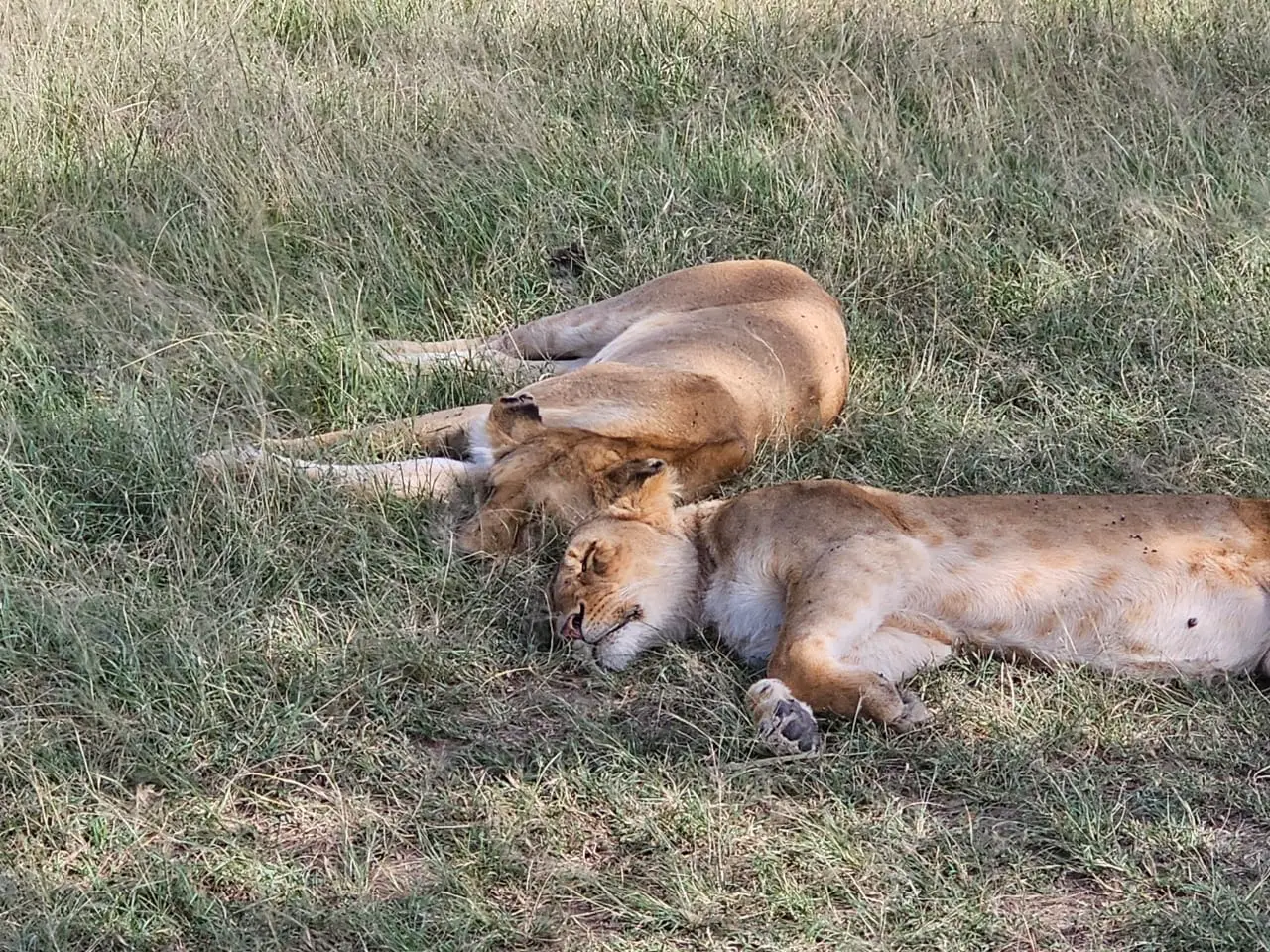
The Luxury End: Private Conservancies and Fly-In Exclusivity
At the other extreme, Kenya’s ultra-premium safari market shows no sign of slowing. Operators targeting this segment don’t compete on price. They compete on access, privacy, and experiences you can’t replicate elsewhere.
Private conservancies adjacent to the Mara — like Olare Motorogi, Naboisho, and Mara North — cap vehicle density. You might share a sighting with two other Land Cruisers instead of twenty. Night drives and walking safaris are permitted in conservancies but not inside the national reserve. That distinction alone creates a vastly different product.
Booking a premium Kenya luxury safari in this segment typically starts around $800 per person per night and climbs past $2,500 at the top-end tented camps. What’s included varies, but most luxury properties bundle meals, house wines, conservancy fees, laundry, and two guided game drives daily. Spa treatments, balloon flights ($450 to $500 per person, plus a $50 landing fee), and premium wines are extra.
A Detail Most Industry Coverage Misses
Something that rarely appears in market analyses but affects the guest experience directly: the 12-hour ticket validity at Masai Mara. Since mid-2023, entry tickets expire at 6 PM the same day, not 24 hours after purchase. This means a morning game drive on your checkout day requires buying a new ticket. For budget travelers, that’s an unexpected $100 to $200 per adult. For luxury operators, it’s usually absorbed into the package cost. But it catches independent travelers off-guard constantly. Masaimarasafari.travel has a useful breakdown of this fee structure for anyone planning independently.
It’s worth noting that the Mara is managed by Narok County, not Kenya Wildlife Service. It operates on a completely separate payment system. KWS parks — including Nairobi National Park — use the updated portal at kwspay.ecitizen.go.ke.
2026 Park Fees: The Numbers That Matter
Here’s where the market bifurcation gets concrete.
Masai Mara National Reserve charges $100 per non-resident adult per day from January through June 2026, and $200 per adult from July through December. Children aged 9 to 17 pay $50 year-round. Under 8 is free.
Nairobi National Park charges $80 per non-resident adult and $40 per child in 2026, paid through the KWS eCitizen portal. No cash accepted — card or M-Pesa only.
For a budget traveler doing a three-day Mara trip in low season, park fees alone are $200 to $300 per person. During peak migration months, that jumps to $400 to $600. Those numbers directly affect which segment of the market can access the reserve, and when.
Two Problems the Industry Hasn’t Fully Solved
Road infrastructure to the Mara remains unreliable. The drive from Nairobi is manageable in the dry season but can stretch past seven hours after heavy rains. The last 60 kilometers to Sekenani Gate are unpaved and deeply rutted. Travelers on tight schedules — exactly the micro-cation demographic — are vulnerable to delays. Bush flights solve the problem but add $200 to $400 in transfer costs, which erodes the budget positioning.
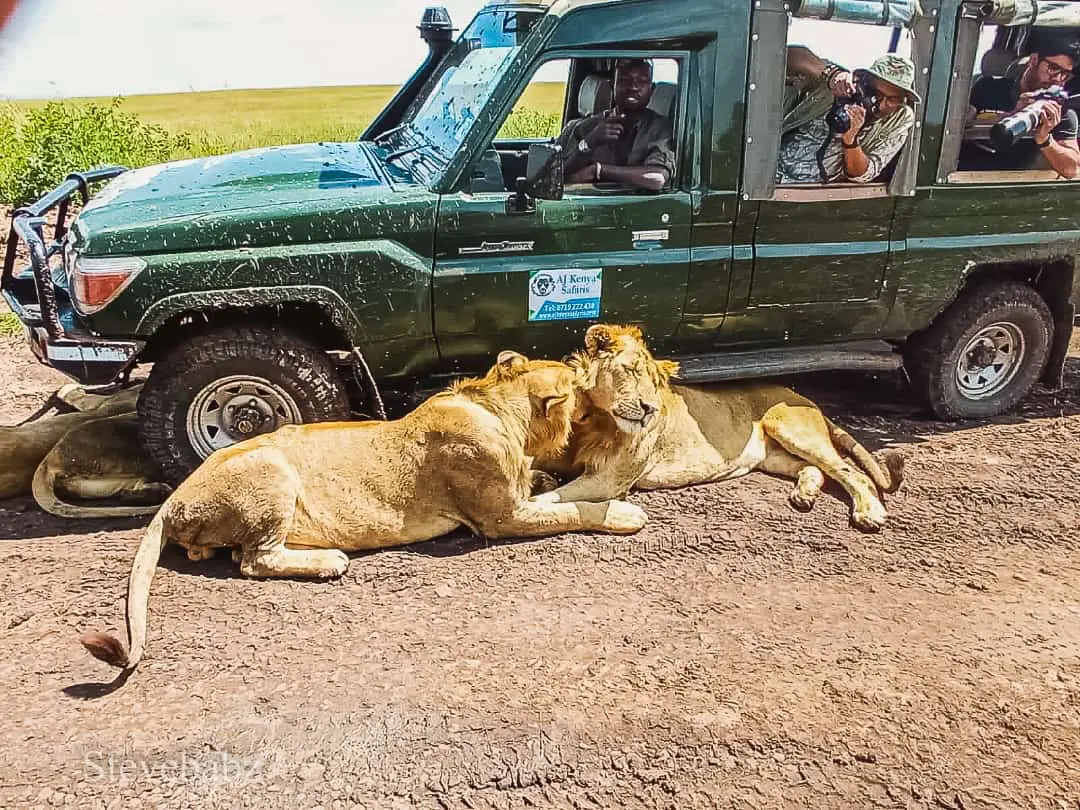
Overcrowding during peak migration months undermines the luxury promise. July through October, particularly around the Mara River crossing points, can see 30 to 50 vehicles clustered at a single sighting. Private conservancies mitigate this, but the most dramatic river crossings happen inside the national reserve. There’s no clean solution here yet. Some operators avoid the main crossing points entirely and focus on smaller tributaries, with mixed results. I’ve personally sat in a vehicle queue at the river for over an hour, inching forward in the midday heat, dust thick enough to taste.
What This Means for Operators and Investors
Kenya’s safari tourism market is expanding at both ends simultaneously, and the operators gaining ground are the ones who’ve stopped trying to be everything to everyone.
The most effective inbound companies now run parallel product lines — lean, fast-turnaround packages for the budget segment and high-touch, conservancy-based itineraries for premium clients. The operational demands are different. The staff training is different. The marketing channels barely overlap.
For investors and destination management companies watching East Africa, the signal is clear: there’s margin in both segments, but only if you commit to one clearly or build the infrastructure to serve both without diluting either.
The days of the generic five-day Kenya safari as the industry’s only product are behind us. What’s replacing it is more interesting, more specialized, and — if the current trajectory holds — significantly more profitable for the operators who get the positioning right.
That said, I’d hesitate to call this a settled trend. Exchange rate fluctuations, fuel costs, and global economic conditions could compress the budget end quickly. And if luxury lodge development outpaces demand in the conservancies, rate pressure will follow. The fundamentals are strong. The execution is what separates operators who’ll thrive from those who won’t.
