Close Menu
  • Home
  • Latest News
  • Top stories
  • Local News
  • Politics
  • Business
  • Entertainment
  • More
    • Sports
    • Nollywood
    • Tech
    • Editorial
    • Health
    • World
    • Lifestyle
  • Africa
    • Kenya
    • Nigeria
    • South Africa
Sports

“There is no money to pay salaries” – Ghana Sports Fund administrator

July 21, 2026

Anyone who says Kotoko will win the GPL next season is being dishonest – Kotoko supporters’ leader Solomon Ofosu-Ware

July 21, 2026

Spain Hailed As Worthy World Cup Champions

July 21, 2026
Facebook X (Twitter) Instagram
Ghanamma.comGhanamma.com
  • Home
  • Latest News

    Nigeria Morning Recap: FG’s N12.62tn Debt Surge, EFCC Auction Controversy, Security Crises, and Sports Shockwaves

    July 29, 2026

    WAFCON 2026 Opens with Shockwaves: Tanzania Defeats South Africa, Ivory Coast Dominates in Group B Spectacle

    July 29, 2026

    Kenya Launches Urgent Investigation After Mysterious Deaths of 15 Elephants in Amboseli National Park

    July 29, 2026

    Kwame Dadzie Announced as Host of Ghana’s Prestigious 2026 Comedy Awards

    July 29, 2026

    Navigating Healthy Debate: Hopeson Adorye Urges Ghanaians to Criticize Constructively Without Resorting to Insults or Threats

    July 29, 2026
  • Top stories
  • Local News
  • Politics
  • Business
  • Entertainment
  • More
    • Sports
    • Nollywood
    • Tech
    • Editorial
    • Health
    • World
    • Lifestyle
  • Africa
    • Kenya
    • Nigeria
    • South Africa
Facebook X (Twitter) Instagram Pinterest Vimeo
Subscribe
Ghanamma.comGhanamma.com
Home»Business»Oil Companies Now Pay More Tax. Ghana Waited 15 Years
Business

Oil Companies Now Pay More Tax. Ghana Waited 15 Years

Ghana NewsBy Ghana NewsApril 12, 2026No Comments3 Mins Read
Facebook Twitter Pinterest LinkedIn Tumblr Email
Share
Facebook Twitter LinkedIn Pinterest Email Copy Link

Oil
Oil

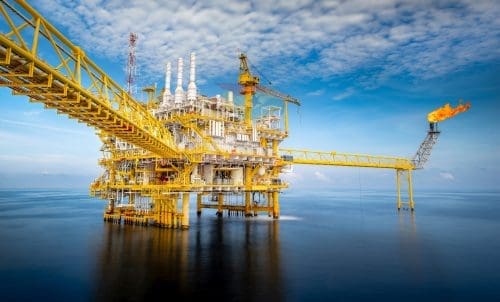
For the first time since Ghana began commercial oil production in 2010, corporate tax from petroleum companies has overtaken the state’s direct share of crude as the single largest source of oil revenue and the reason reveals a long-standing structural question about how Ghana designed its oil fiscal terms.

The Public Interest and Accountability Committee (PIAC), presenting its 2025 Annual Report in Accra on Wednesday, April 8, confirmed that Corporate Income Tax (CIT) contributed US$346.8 million, or 45 percent of total petroleum receipts, topping all other revenue streams for the first time. Chairman Richard Ellimah explained the shift directly: companies have been exhausting their capital allowances and are now beginning to pay more taxes.

Capital allowances, written into every petroleum agreement Ghana signed with international oil companies (IOCs), allow operators to deduct exploration, development, and production costs from their taxable profits before corporate tax is calculated. For major producers such as Tullow Ghana, Kosmos Energy, and ENI Ghana — which invested billions of dollars into developing the Jubilee, Tweneboa-Enyenra-Ntomme (TEN), and Sankofa Gye Nyame (SGN) fields, this meant legally reduced corporate tax bills for the better part of a decade and a half while those costs were being recovered.

The arrangement is standard in global oil contracts and was designed deliberately to attract investment into Ghana’s then-unproven offshore sector. It was not evasion or non-compliance. But it meant that Ghana’s full corporate tax harvest was always going to arrive late in the production cycle and it has now arrived precisely as output declines. Total petroleum receipts fell to US$770.3 million in 2025 from US$1.36 billion in 2024, a drop of 43.27 percent.

ENI Ghana, Vitol Upstream, and Tullow Ghana were among the major CIT contributors in 2025, with Kosmos Energy and PetroSA also among the companies paying into the Petroleum Holding Fund (PHF). CIT payments from petroleum companies rose in the second half of 2025, reaching US$198.09 million compared to approximately US$144 million in the same period of 2024.

A separate but related issue flagged by PIAC concerns surface rental arrears, smaller annual fees owed by companies for their contract areas. Arrears remained elevated, with about 60 percent owed by three companies whose petroleum agreements had already been terminated in 2021. These are relatively small amounts but represent a compliance gap that the Ghana Revenue Authority (GRA) and the Petroleum Commission have been slow to close.

The broader picture PIAC is drawing is one of a fiscal structure reaching the end of its designed lifecycle at the worst possible moment. Ghana has no new oil discoveries, no new petroleum agreements since 2018, and no new fields entering production. As the major operators exhaust their remaining cost recovery positions, CIT payments are likely to decline again rather than continue rising  because there will be less profit to tax as production falls.

PIAC has called on the government to review the regulatory and fiscal framework to ensure any new petroleum agreements attract adequate revenue for Ghana at every stage of field development, not only at its end.

Share. Facebook Twitter Pinterest LinkedIn Tumblr Email
Ghana News
  • Website

Related Posts

T&T’s Africa ambitions take flight with Ghana partnership – Trinidad Express Newspapers

July 29, 2026

The Unprecedented Surge in Ghana’s Stock Market: Key Drivers Behind the Boom

July 28, 2026

Central Bank of Egypt Strengthens Pan-African Collaboration Through Knowledge Exchange on AI, Digital Transformation, and Cybersecurity

July 27, 2026
Leave A Reply Cancel Reply

You must be logged in to post a comment.

Top Posts

Telecel Group Boosts Ghana’s Digital Future with Massive 2026 Network Expansion

July 28, 20265 Views

Germany Invests €1.7 Billion in Digital Rail Modernization to Revolutionize European Train Control Systems

July 28, 20267 Views

Germany Invests €1.7 Billion in Digital Railway Transformation: A Deep Dive into ETCS and DKS Modernization

July 27, 20266 Views

Germany Allocates €1.7 Billion to Revolutionize Railway Digitalization with ETCS and Smart Infrastructure

July 26, 202613 Views

Germany Invests €1.7 Billion in Digital Railway Modernization to Revolutionize Rail Transport

July 26, 20264 Views
About Us
About Us

Ghanamma is an independent digital news platform delivering timely updates and reliable information across politics, business, technology, health, entertainment, sports, and world affairs, helping readers stay informed through trustworthy journalism and meaningful insights.

Facebook X (Twitter) Pinterest YouTube WhatsApp
World News

South Sudan’s leader sacks aides after dead man appointed

February 4, 2026

South African white separatists claim land acquired from Zulu king then lost to British

February 2, 2026

Muhoozi’s outbursts expose Uganda’s unease with funding Somalia war

February 2, 2026
Top stories

University of Ghana Attributes Fee Increases to Student Leadership Charges

January 2, 20261 Views

Sam Jonah, 3 Others Cleared Of Criminal Charges In River Park Estate Dispute In Nigeria

January 2, 20261 Views

GCNH donates health logistics to Ho Municipal Health Directorate  

January 2, 20260 Views
  • About Us
  • Contact Us
  • Cookies Policy
  • Privacy Policy
  • Terms & Conditions
  • Disclaimer
© 2026 Ghanamma. Designed by Ghanamma.

Type above and press Enter to search. Press Esc to cancel.