


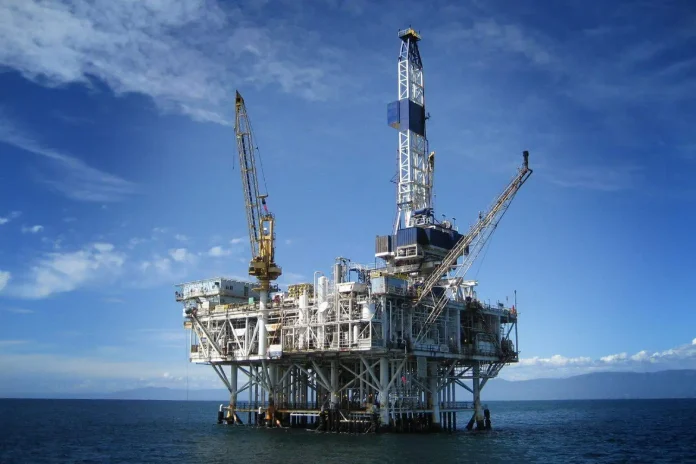
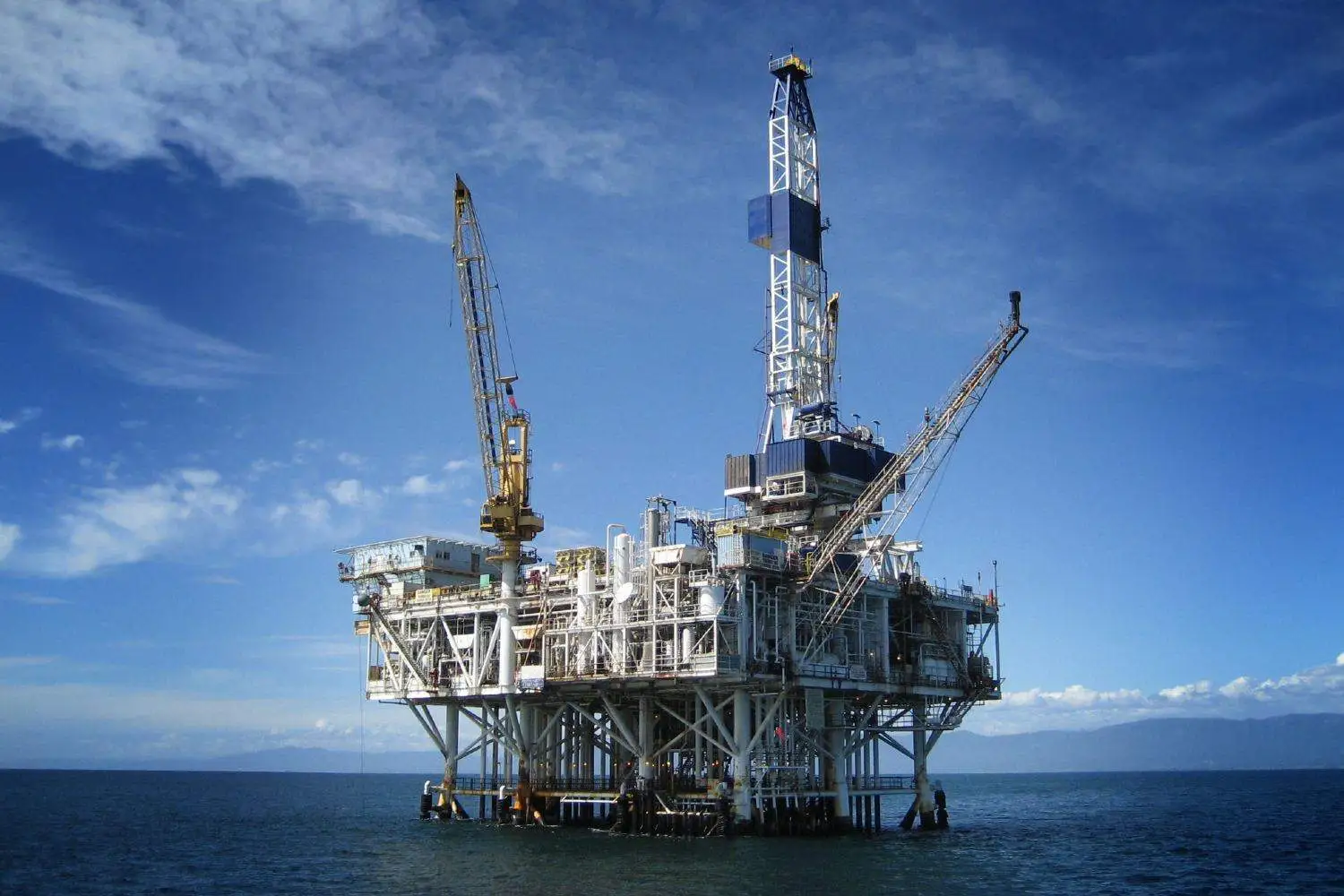
Ghana’s crude oil production fell to its lowest level in six years in 2025, raising urgent questions about the long-term viability of a sector that remains central to government revenue and foreign exchange earnings.
The Public Interest and Accountability Committee (PIAC) Chairman Richard Ellimah disclosed at the launch of the committee’s 2025 Annual Report in Accra on Wednesday, April 8, that national crude output dropped to 37.3 million barrels in 2025, down from a peak of 71.44 million barrels in 2019.
This marks the sixth consecutive annual decline in production, representing a compounded annual average reduction of approximately 9 percent. Cumulative output from December 2010, when Ghana began commercial oil production, to the end of 2025 stands at approximately 694 million barrels.
Total petroleum receipts for 2025 amounted to US$770.27 million, a 43.27 percent decrease compared to US$1.36 billion recorded in 2024. The sustained fall in output, combined with a delayed TEN field lifting and weaker realized prices, drove the revenue decline.
The Jubilee Field remained the dominant source of national output, but declining contributions from the TEN and Sankofa Gye Nyame (SGN) fields compounded the overall reduction. Ellimah noted that while Ghana currently produces around 120,000 barrels per day, neighbouring Nigeria produces close to 1.8 million barrels daily, underscoring the gap in West African upstream capacity.
PIAC called on the government and the Petroleum Commission to develop a framework to boost investment in existing producing fields, including fields yet to achieve first oil such as Springfield and Pecan, and stressed the need for a coordinated investment plan for the TEN field, where output has consistently fallen below projections.
A Memorandum of Understanding signed with Tullow Oil, Kosmos Energy, PetroSA, and GNPC extends production licences for the Jubilee and TEN fields to 2040, with plans to drill 20 new wells in the Jubilee field projected to mobilise approximately US$2 billion in investment. Whether those commitments translate into a production recovery, however, remains contingent on actual capital deployment and effective field management.
Ellimah warned that the production decline carries direct consequences for government revenue, foreign exchange receipts, and energy security, cautioning that structural problems, rather than temporary operational setbacks, now appear to be driving the persistent downward trend.
