


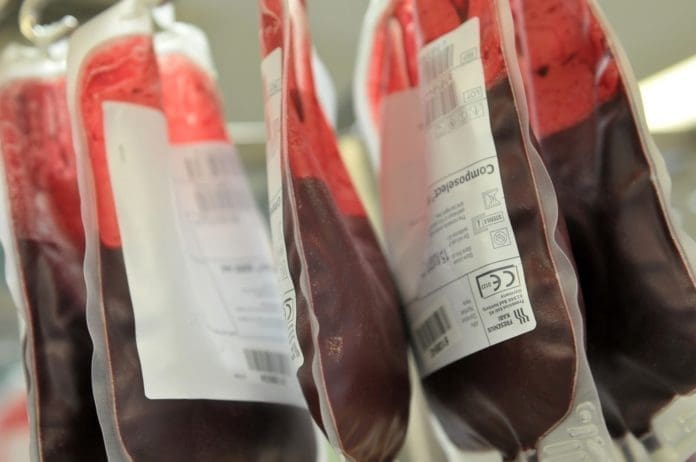

Eighty-five students from Walewale Senior High Technical School have donated blood to restock the blood bank at the Walewale Government Hospital as part of the MTN Ghana Foundation’s 2026 “Save a Life” blood donation campaign, providing a direct community response to chronic blood shortages in the North East Region.
The donation, organised by the telecommunications company’s North East Regional office, forms part of the wider nationwide campaign that MTN Ghana Foundation ran across all 16 regions on February 13, 2026, in partnership with CalBank. That exercise collected a total of 7,020 units of blood against a target of 7,000. The 85 units secured in Walewale will be stored at the hospital’s laboratory and made available for urgent medical procedures.
North East Regional Area Territory Sales Controller for MTN Ghana, Salifu Abdallah, described the initiative as a long-standing expression of the company’s commitment to its host communities. He said the campaign, held annually under the theme “Save Life,” was the company’s deliberate way of channelling corporate resources into direct healthcare support at the community level, especially in regions where the health system remains under strain.
For Kwesi Samuel, the laboratory manager at Walewale Government Hospital, the donation carries urgency beyond the numbers. He noted that the Muslim-majority character of West Mamprusi creates specific cultural dynamics around blood donation that make institutional drives of this kind particularly valuable, as voluntary supply from within the community can be inconsistent. He said the donated units would directly support patients undergoing surgery, women in labour facing complications, and victims of road accidents admitted to the facility.
The Walewale donation is the latest illustration of how the MTN Ghana Foundation’s “Save a Life” campaign, which began in 2011 following a national appeal by the National Blood Service for voluntary contributions, has evolved into a regional healthcare lifeline. Since its launch, the campaign has collected well over 35,000 units of blood across the country. Ghana’s blood collection index currently stands at 5.8 units per 1,000 people, significantly below the World Health Organization (WHO) recommended minimum of 10 units per 1,000 population.
