


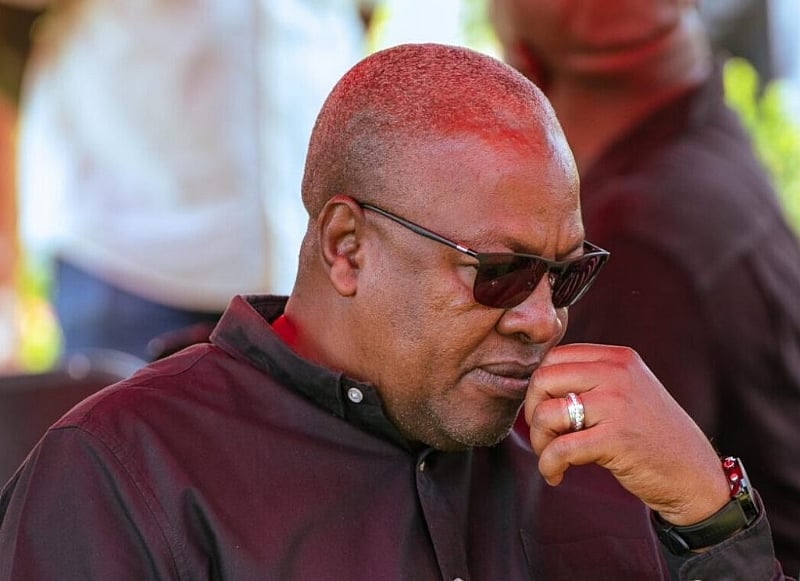
Ghana’s economic space has undergone a remarkable transformation within a year, spearheaded by the leadership of President John Mahama. A tangible shift in the nation’s fiscal narrative is now undeniable, evidenced by significant strides in revenue generation, prudent expenditure management, and a resounding achievement in fiscal surplus. This turnaround shows a new era of economic stability and growth for the West African nation.
The period from January to October 2025 paints a clear picture of this fiscal renaissance. A confluence of strategic policies and disciplined execution has propelled Ghana from a position of fiscal uncertainty towards a more robust and sustainable economic footing. The key to this success lies in the government’s unwavering commitment to enhancing revenue generation and exercising careful control over public expenditure.
Revenue generation has been a central pillar of President Mahama’s economic strategy. Initiatives aimed at broadening the tax base, streamlining collection processes, and combating tax evasion have yielded significant results. Increased investment in technological infrastructure for tax administration, coupled with a renewed focus on auditing and enforcement, has plugged leakages and ensured a more equitable collection of taxes across various sectors of the economy. Furthermore, the government has actively fostered a more business-friendly environment, encouraging economic activity and subsequently boosting tax revenue.
Equally crucial to this fiscal turnaround has been the government’s commitment to controlled expenditure. Recognising the need for fiscal discipline, President Mahama’s administration has implemented stringent measures to prioritise spending and eliminate wasteful expenditures. These measures include rigorous budget reviews, stricter oversight of government contracts, and a concerted effort to improve efficiency in public service delivery. Investment in key infrastructure projects has been carefully managed to maximize value for money, ensuring that resources are allocated effectively and contribute directly to economic growth.
The combined impact of these efforts has been nothing short of transformative. By the end of October 2025, Ghana had achieved a primary surplus of 1.9% of GDP. This figure not only represents a significant improvement in the nation’s fiscal health but also far surpasses the initial target of 0.6% set at the beginning of the fiscal year. The fact that the actual surplus exceeded the target threefold underscores the effectiveness of the government’s policies and the resilience of the Ghanaian economy.
The implications of this fiscal turnaround are far-reaching. A healthy primary surplus provides the government with greater flexibility to invest in crucial areas such as education, healthcare, and infrastructure. These investments, in turn, will contribute to long-term sustainable growth, improved social welfare, and a more prosperous future for all Ghanaians. Furthermore, a strengthened fiscal position enhances investor confidence, attracting foreign investment and creating new opportunities for economic development.
This accomplishment also sends a powerful message to the international community, demonstrating Ghana’s commitment to responsible fiscal management and its ability to navigate challenging economic conditions. It reinforces Ghana’s position as a stable and attractive investment destination in Africa, paving the way for increased collaboration and partnership with other nations.
While the progress achieved in the past year is commendable, Mahama’s government recognises that continued vigilance and commitment are essential to sustain this positive trajectory. Further reforms aimed at strengthening fiscal management, promoting private sector growth, and addressing structural weaknesses in the economy will be crucial to ensuring long-term economic stability and prosperity for Ghana. The leadership of President Mahama has laid a strong foundation for a brighter future, and the coming years will be critical in building upon this success and realising the full potential of the Ghanaian economy.
Anthony Obeng Afrane
