


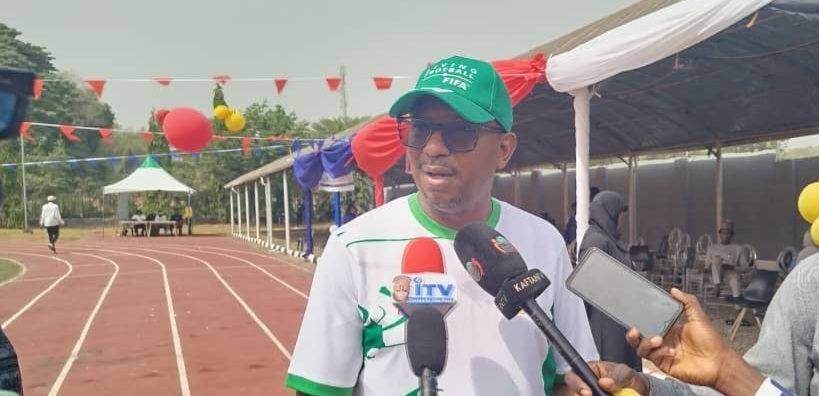
Nigeria has been officially designated as the host nation for the 2028 ECOWAS Meeting of Experts and Ministers in Charge of Youth and Sports, marking a significant milestone in the country’s commitment to regional sports governance and youth development. The announcement, made by the National Sports Commission (NSC), underscores Nigeria’s growing influence within the Economic Community of West African States (ECOWAS) and its dedication to fostering collaboration in sports and youth empowerment across the continent.
A Unanimous Decision in Dakar
The decision was formally ratified during the ECOWAS Meeting of Ministers held in Dakar, Senegal, where Nigeria’s bid was overwhelmingly endorsed by all member states. The NSC, through its official channels, confirmed that the hosting rights were awarded unanimously, reflecting both the country’s strong regional standing and the confidence placed in its organizational capabilities.
Representing Nigeria at the pivotal meeting were Barrister Musa Amadu, the Special Adviser to the NSC Chairman, alongside Barrister Uche and Lanre Ogunjobi, who served as technical assistants to Shehu Dikko, the Chairman of the National Sports Commission. Their delegation successfully presented Nigeria’s proposal, which was met with full consensus from ECOWAS member states, solidifying the nation’s role as the host for the upcoming gathering.
Enhancing Regional Sports Diplomacy and Youth Development
The selection of Nigeria for this high-profile event is not merely a matter of prestige but also a strategic opportunity to deepen regional cooperation in sports and youth affairs. The 2028 ECOWAS Youth and Sports Ministers Meeting is expected to serve as a platform for policy discussions, capacity-building initiatives, and collaborative projects aimed at advancing sports infrastructure, grassroots development, and youth engagement across West Africa.
By hosting this meeting, Nigeria reaffirms its leadership in African sports governance, particularly in areas such as:
– Sports Infrastructure Development: Facilitating discussions on improving training facilities, stadiums, and youth sports programs.
– Youth Empowerment Programs: Exploring initiatives to enhance vocational training, sports education, and entrepreneurial opportunities for young Africans.
– Regional Integration Through Sports: Strengthening pan-African sports federations, promoting fair play, and fostering unity through competitive sports.
– Anti-Doping and Fair Play Policies: Reinforcing ECOWAS’s stance on sports integrity, athlete welfare, and the fight against doping in regional competitions.
A Boost for Nigeria’s Sports Ecosystem
Beyond its diplomatic significance, the hosting of the ECOWAS Youth and Sports Ministers Meeting presents Nigeria with a unique opportunity to showcase its sports achievements and infrastructure. The event will likely attract high-level officials, sports administrators, and international observers, providing a platform to:
– Highlight Nigeria’s Sports Successes: From its African Cup of Nations victories to its thriving football academies and emerging athletes in athletics, basketball, and other disciplines.
– Promote Sports Tourism: Encouraging regional and international visitors to engage with Nigeria’s sports venues, training centers, and cultural events.
– Attract Investment in Sports: Positioning Nigeria as a hub for sports business, sponsorships, and partnerships within the ECOWAS bloc.
Preparations and Future Implications
While the exact details of the 2028 meeting’s agenda have not yet been fully disclosed, Nigeria’s NSC is expected to ramp up preparations in the coming years. Key focus areas may include:
– Venue Selection: Identifying suitable locations for the meeting, possibly leveraging existing sports complexes such as the Mallam Aminu Kano International Stadium or the Lagos Stadium.
– Logistical Arrangements: Ensuring seamless travel, accommodation, and security for delegates from all ECOWAS member states.
– Thematic Workshops and Exhibitions: Organizing side events that align with ECOWAS’s priorities, such as youth sports entrepreneurship, digitalization in sports administration, and gender inclusion in athletics.
– Media and Public Engagement: Utilizing the event to elevate Nigeria’s sports narrative both domestically and internationally, fostering national pride and regional solidarity.
Nigeria’s Growing Role in African Sports Governance
This development follows a series of strategic moves by Nigeria to strengthen its position in African sports. Recent initiatives include:
– Hosting Major Pan-African Events: Such as the 2023 African Games and the 2025 African Youth Games, which have positioned Nigeria as a preferred destination for continental sports gatherings.
– Strengthening ECOWAS Sports Cooperation: Through active participation in regional sports councils and advocacy for unified policies on athlete welfare and sports funding.
– Youth Sports Programs: Expanding initiatives like the National Sports Commission’s Youth Sports Development Fund, which aims to identify and nurture talent from underserved communities.
Conclusion: A Step Toward a Unified West African Sports Future
The 2028 ECOWAS Youth and Sports Ministers Meeting in Nigeria is more than just an administrative event—it is a testament to the country’s leadership in sports diplomacy and its commitment to regional integration through athletics. By hosting this gathering, Nigeria not only strengthens its diplomatic ties within ECOWAS but also positions itself as a catalyst for sports-driven development in West Africa.
As preparations advance, the event promises to be a landmark occasion, bringing together policymakers, sports administrators, and youth leaders to shape the future of sports in Africa. With Nigeria at the helm, the meeting is poised to inspire new collaborations, policies, and initiatives that will benefit millions of young athletes and sports enthusiasts across the continent. This is a historic opportunity for Nigeria to further cement its legacy as a regional sports powerhouse and a beacon of youth empowerment in Africa.
