


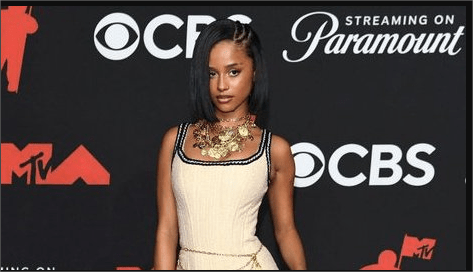
In a bold and provocative statement that has ignited national discourse, Martins Vincent Otse, widely known as VeryDarkMan (VDM), has publicly declared his opposition to South African singer Tyla’s upcoming Lagos concert, warning organizers to abandon the event. His stance stems from deep-seated concerns over xenophobic violence against Nigerians in South Africa, particularly in light of recent legal challenges faced by Nigerian beauty queen Chidimma Adetshina and the lingering trauma of the 2019 xenophobic attacks that left many Nigerian nationals displaced and traumatized.
A Call to Boycott: VDM’s Uncompromising Stance
In a viral video message shared across his social media platforms, VDM, a prominent social media activist and leader of the Ratel Movement, made it clear that his movement would actively resist the concert if it proceeded. His message was direct and unfiltered:
“There will be no Tyla show in Nigeria. This is a message to the show organizers and promoters bringing Tyla into Nigeria—that show is not happening.”
His reasoning was rooted in moral and political solidarity with Nigerians currently facing legal and social persecution in South Africa. He questioned the ethics of Tyla performing in Nigeria while Chidimma Adetshina, a Nigerian woman, remains embroiled in deportation proceedings in South African courts. Many Nigerians have been subjected to violent attacks, arbitrary arrests, and systemic discrimination under the guise of “economic migration crackdowns.”
VDM’s warning to organizers was unequivocal:
“If you continue with the show, we will come there and bring it down. We don’t care what happens—we don’t want Tyla.”
Historical Context: Xenophobia and Its Lingering Impact
The activist’s stance is not isolated but rather a reaction to a long-standing issue. The 2019 xenophobic attacks in South Africa—where Nigerians and other African nationals were targeted, beaten, and forced out of businesses—left an indelible mark on Nigerian public sentiment. Many Nigerians, including music superstar Burna Boy, have since avoided performing in South Africa due to the backlash and hostility they face.
VDM highlighted this historical context, arguing that Tyla’s presence in Nigeria would be seen as a betrayal of the struggles faced by Nigerians abroad. He emphasized that Nigerians are still grappling with the aftermath of these attacks, and bringing Tyla—an artist who has not publicly condemned xenophobic violence—would only exacerbate the wound.
A Question of Local Talent: Why Bring Tyla When Nigeria Has Ayra Starr?
Beyond the ethical concerns, VDM also challenged the necessity of Tyla’s visit, arguing that Nigeria already boasts world-class female artists who could have been prioritized instead.
“She is coming to take our jobs. She wants to take Ayra Starr’s job. We have Ayra Starr—she is way better.”
This statement reflects a broader sentiment among some Nigerians who feel that international artists are often prioritized over local talent, despite Nigeria’s thriving music industry. While Tyla is a globally recognized artist, VDM’s critique underscores a protectionist sentiment—one that seeks to boost domestic creativity rather than rely on foreign acts.
National Debate: Boycott or Business as Usual?
VDM’s call has sparked a national conversation, with opinions sharply divided:
- Supporters of the boycott argue that artists should not profit from a system that perpetuates xenophobia. They believe that Tyla’s concert would be seen as insensitive, given the ongoing struggles of Nigerians in South Africa.
- Critics of the boycott, however, contend that artists should not be held politically accountable for the actions of governments or private citizens. They see Tyla’s performance as a cultural exchange rather than a political statement, emphasizing that music should transcend borders and biases.
Some have also pointed out that Burna Boy, despite his past comments on xenophobia, has continued to perform internationally, suggesting that artistic freedom may outweigh political sensitivities for many in the industry.
Organizers and Tyla Remain Silent
As of the latest updates, neither the organizers of Tyla’s Lagos concert nor the South African singer herself has publicly responded to VDM’s strong opposition. The uncertainty surrounding the event’s fate has left fans, industry insiders, and activists waiting for a definitive stance from both parties.
The Broader Implications: Art, Activism, and National Identity
VDM’s stance raises important questions about the role of artists in social and political movements. While some argue that art should remain apolitical, others believe that artists have a responsibility to align with causes that reflect their audience’s values.
In Nigeria, where national identity and diaspora struggles are deeply intertwined, the debate over Tyla’s concert is not just about music—it’s about pride, justice, and solidarity. Whether the boycott succeeds or fails, the conversation has forced a reckoning on how Nigeria engages with global artists while upholding its own dignity and values.
As the situation unfolds, one thing is clear: VDM’s intervention has turned a routine concert announcement into a cultural and political statement, one that will likely resonate far beyond the confines of Lagos.
