


Kenya’s wildlife authorities are conducting a thorough investigation into the sudden and unexplained deaths of 15 elephants within the past month in Amboseli National Park, one of Africa’s most iconic conservation areas. The Kenya Wildlife Service (KWS) has confirmed that 10 of the elephants exhibited severe symptoms of partial paralysis before succumbing within two days, while the remaining five carcasses were either highly decomposed or scavenged, leaving investigators with limited forensic evidence.
The affected elephants were predominantly females and their calves, with only one male among the dead. The incidents occurred primarily in the Kimana sanctuary and Kuku ranch areas, which border the park. This alarming trend has raised concerns among conservationists and wildlife experts, who are now probing potential causes ranging from natural disease outbreaks to human-induced factors.
Symptoms and Preliminary Findings Raise Red Flags
The KWS has reported that 10 elephants displayed neurological symptoms, including uncoordinated movement and paralysis, before their deaths. While the exact cause remains undetermined, preliminary laboratory tests conducted by the University of Nairobi detected “potential toxic substances” in samples taken from the carcasses. However, separate analyses by a government laboratory did not confirm the presence of known toxins, prompting further testing.
The wildlife authority has emphasized that environmental investigations are underway, including water source testing and soil analysis in the affected regions. Officials are examining whether the elephants were exposed to a common contaminant, such as agricultural chemicals, industrial pollutants, or illegal poaching-related toxins.
Historical Context: Poaching and Human-Wildlife Conflict
Kenya has a long-standing history of elephant deaths linked to poaching and human-wildlife conflict. In past incidents, elephants have been poisoned due to retaliatory killings by farmers or illegal dumping of toxic waste near wildlife habitats. While the current case does not yet point to poaching as the primary cause, the selective nature of the deaths—primarily affecting females and calves—has sparked speculation about possible human interference.
The KWS has assured the public that there is currently no evidence suggesting the condition could be transmitted to humans, though they have not ruled out further testing to rule out all possibilities.
Amboseli’s Ecological Significance Under Threat
Amboseli National Park is famous for its vast elephant herds, with an estimated 2,000 elephants residing within its boundaries. The park is also renowned for its stunning savannah landscapes, where visitors can often spot elephants against the backdrop of Mount Kilimanjaro in neighboring Tanzania.
The sudden deaths have shaken conservation efforts, as Amboseli has long been a symbol of successful wildlife protection in Kenya. Experts warn that if the cause remains unidentified, the incident could undermine public trust in wildlife conservation and potentially lead to declining elephant populations in the region.
Next Steps: A Multidisciplinary Approach
To determine the exact cause of the deaths, the KWS is collaborating with veterinarians, toxicologists, and environmental scientists to conduct comprehensive post-mortem examinations and water/soil sampling. The authority has also alerted neighboring conservation areas to remain vigilant, as similar incidents could occur elsewhere.
While authorities work to uncover the truth, tourism operators and wildlife enthusiasts have expressed deep concern, fearing that the deaths could deter visitors and impact the local economy, which heavily relies on eco-tourism revenue.
As the investigation progresses, the world watches closely, hoping for a clear resolution that ensures the safety and survival of Amboseli’s majestic elephant population.
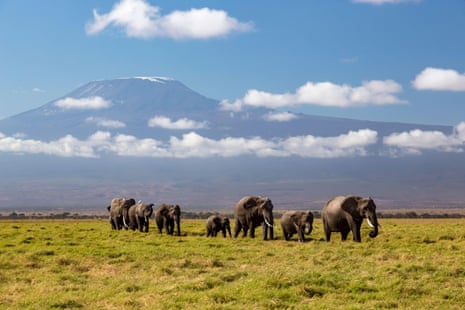 (Aerial view of Amboseli National Park, showcasing its vast savannah and elephant herds.)
