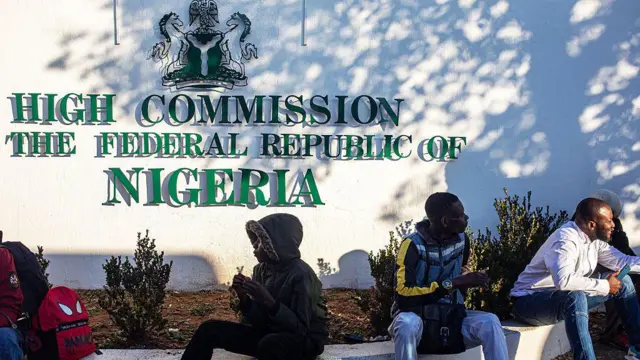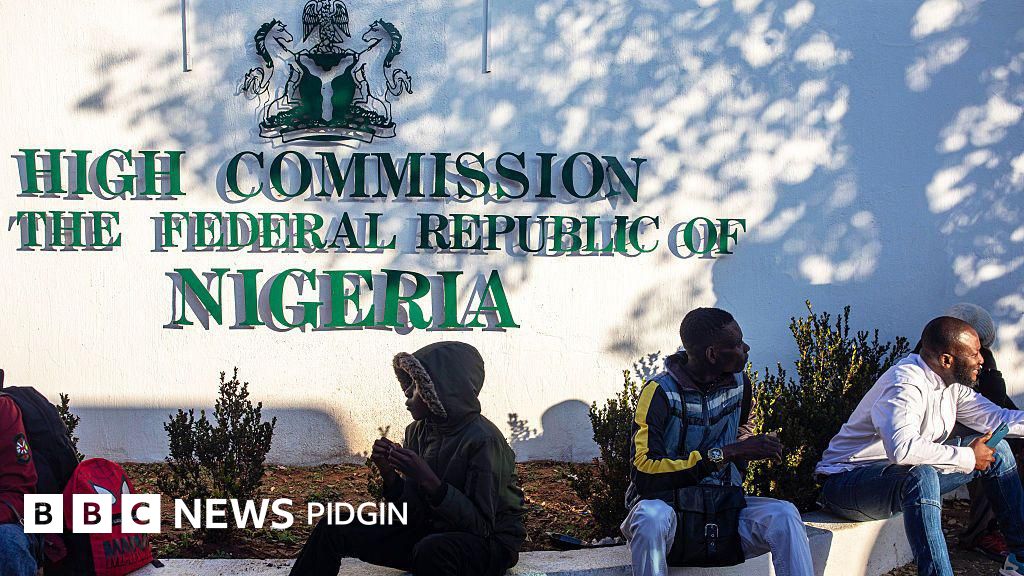
The shocking death of Nigerian national Ibeh Chika Simon during a South African Police Service (SAPS) operation in Cape Town on July 23 has sparked global outrage and renewed concerns over police brutality, racial discrimination, and the erosion of human rights in South Africa. According to the Consulate General of the Federal Republic of Nigeria in Johannesburg, Simon’s death occurred under “questionable circumstances,” raising serious questions about the conduct of law enforcement during the ongoing anti-immigrant protests sweeping the country.
A Pattern of Violence: Multiple Nigerian Deaths in Custody
Simon’s death is not an isolated incident. The Nigerian Foreign Ministry has condemned a series of police-related fatalities involving Nigerian nationals, including:
- Emeka Charles Iroegbu, a Nigerian citizen who died in Pretoria’s Tshwane Metro Police custody on June 28 after allegedly being subjected to “gruesome interrogation techniques.”
- Nnaemeka Ekpeyong, another Nigerian whose death in police custody on April 28 remains under investigation, with no arrests made despite four officers being identified as potentially involved.
The Consulate General of Nigeria has described these incidents as “disturbing manifestations of a growing afrophobic sentiment” that flouts South African law, which guarantees rights to life, dignity, and due process for all citizens and residents.
Witness Accounts and Video Evidence: A Chilling Account of Police Conduct
Footage circulating online appears to show police officers restraining Simon violently, with some reports suggesting strangulation as a method of restraint. The Consulate’s official statement condemned these tactics, emphasizing that “such extreme measures are not only unlawful but also indicative of a systemic failure in law enforcement.”
These incidents coincide with widespread protests against immigration in South Africa, which have escalated into violence, looting, and attacks on foreign nationals, particularly Africans. The deadline of June 30 set by protesters to force the expulsion of immigrants has further intensified tensions, leading to mass displacements and property destruction.
Government Response and International Scrutiny
Despite public outcry and diplomatic protests, the South African government has yet to provide transparency or accountability for these deaths. The Nigerian government has demanded a full investigation, while international human rights organizations have called for urgent action to prevent further escalation.
Two Ghanaians—Dr. Palgrave Boakye Danquah and Emmanuel Kotin—have taken legal action by filing a petition with the International Criminal Court (ICC) on July 15, arguing that the xenophobic attacks in South Africa constitute “crimes against humanity” under Article 7 of the Rome Statute. Their petition highlights:
– Unlawful killings
– Assaults and injuries
– Mass displacement
– Destruction of property belonging to foreign nationals
The ICC’s preliminary examination into these allegations could mark a historic moment in holding South African authorities accountable for systemic human rights violations.
South Africa’s Legal Framework: A Question of Effectiveness
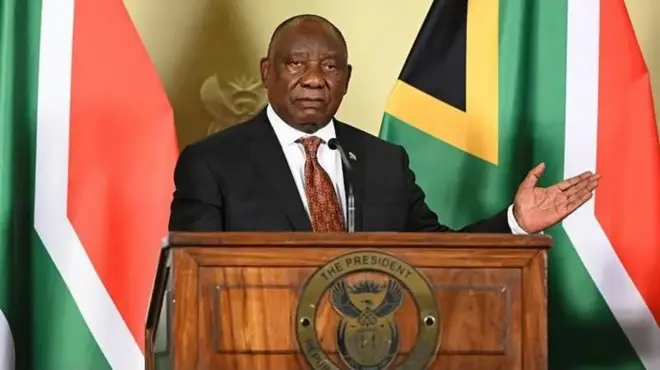
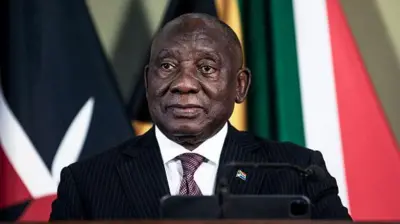
South Africa’s foreign ministry has dismissed the ICC petition as “opportunistic,” asserting that the country’s domestic legal system is sufficient to address discrimination and intolerance. Chrispin Phiri, a spokesperson for the ministry, stated:
“South Africa has a sophisticated and comprehensive legal framework that provides robust solutions for discrimination, intolerance, and related crimes. Our laws are designed to protect all residents, regardless of nationality.”
However, critics argue that enforcement gaps, impunity for police misconduct, and public sentiment fueling anti-immigrant violence undermine the effectiveness of these laws. The failure to prosecute officers involved in past deaths—such as in the case of Nnaemeka Ekpeyong—further erodes public trust in justice.
The Broader Implications: Xenophobia and Global Solidarity
The wave of xenophobic violence in South Africa has not gone unnoticed. African Union (AU) leaders have condemned the attacks, while diplomatic missions from across the continent have urged calm and dialogue. The African National Congress (ANC), South Africa’s ruling party, has also criticized the protests, calling for peaceful coexistence and respect for human rights.
Yet, the persistent targeting of African migrants—who make up a significant portion of South Africa’s foreign population—has led to fear, panic, and mass exodus. Many Africans are now fleeing the country, leaving behind businesses, homes, and livelihoods.
Conclusion: A Call for Justice and Reform
The death of Ibeh Chika Simon and the broader xenophobic crisis in South Africa serve as a warning sign of deeper systemic issues. While the government insists on domestic solutions, the lack of accountability, police brutality, and societal intolerance demand urgent international intervention.
As the ICC petition progresses and global attention remains focused, one question lingers: Will South Africa finally address its failures in justice, or will more lives be lost in the name of unchecked violence?