


Stakeholders in child welfare have been urged to assess existing policies and interventions on child labour to ensure such interventions were reaching the most vulnerable children and households in cocoa-growing communities.
They have also been urged to take concrete steps, coordinate and take measurable actions and community-led responses to eliminate child labour.
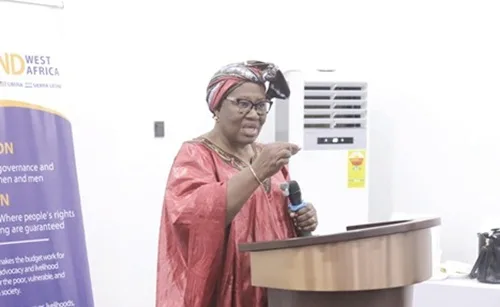
The Board Chair of SEND GHANA, Janet Adama Mohammed, who made the call, explained that while several interventions had been introduced to address child labour, their success should be measured by the changes experienced by children and their families at the community level.
She said children born in cocoa-growing communities should not have to sacrifice their rights for the sustainability of the cocoa sector.
“For us at SEND Ghana, the question is not whether child labour exists in cocoa communities because we know it does. It is not about the brand name child labour; it is about what children are actually experiencing,” she said.
National dialogue
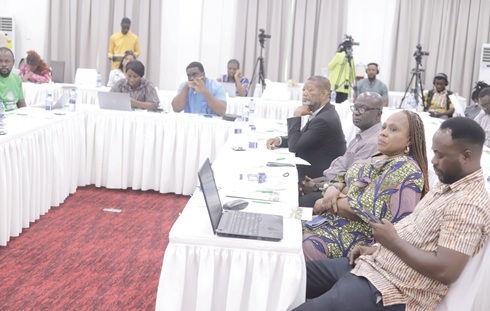
Mrs Mohammed was speaking during a national dialogue on child labour in the cocoa sector in Accra last Tuesday, aimed at examining the drivers of child labour and identifying practical measures to address the problem.
Mrs Mohammed said cocoa supported the livelihoods of more than 800,000 farm households. However, she said, the success of the cocoa industry was accompanied by the reality of thousands of children being engaged in work that deprived them of their childhood, education, health and future.
She called for efforts to be made to understand the circumstances that push children into labour and ensure that they were protected, kept in school and given opportunities to realise their full potential.
Project
The Gender and Youth Development Officer at SEND Ghana, Mary-Anne Kamara, said a DKA Austria-supported project, “Addressing Child Labour Through the Gender Model Family Approach”, was helping to reduce child labour in cocoa-producing communities by promoting awareness of child rights, gender equality and equitable household decision-making.
She said the project, being implemented in four communities, Nyame Ani, Watreso, Wawase Camp and Somnyamekudo in the Jukwa and Twifo Praso cocoa districts, had helped 21 families to develop their own Family Gender Equality Action Plans, while more than 200 children in four basic schools had been trained on child labour and its legal implications.
Increased resources
The Member of Parliament (MP) for Keta Constituency and Vice Chairperson of the Parliamentary Select Committee on Food, Agriculture and Cocoa Affairs, Kwame Dzudzorli Gakpey, said Parliament would advocate for increased resources for ministries, departments and agencies responsible for child protection, stating that limited resources available to such institutions affected their ability to effectively carry out their mandates.
He also said Parliament would examine existing laws relating to child protection and labour to determine areas that required amendment, review or strengthening.
Government agencies
Representatives from government agencies at the dialogue, such as the Ministry of Employment, Labour and Jobs, Ministry of Gender, Children and Social Protection, expressed commitment to working collaboratively and stressed the need for stronger legal enforcement, community engagement, adequate resources and improved access to services to further strengthen child protection.
A cocoa farmer at Nyame Ani, Sarah Annoh, said after the interaction with SEND Ghana, they were ensuring that their children were in school.
However, she called for the employment of graduates in cocoa communities, saying that the majority of them had completed school without jobs.
