


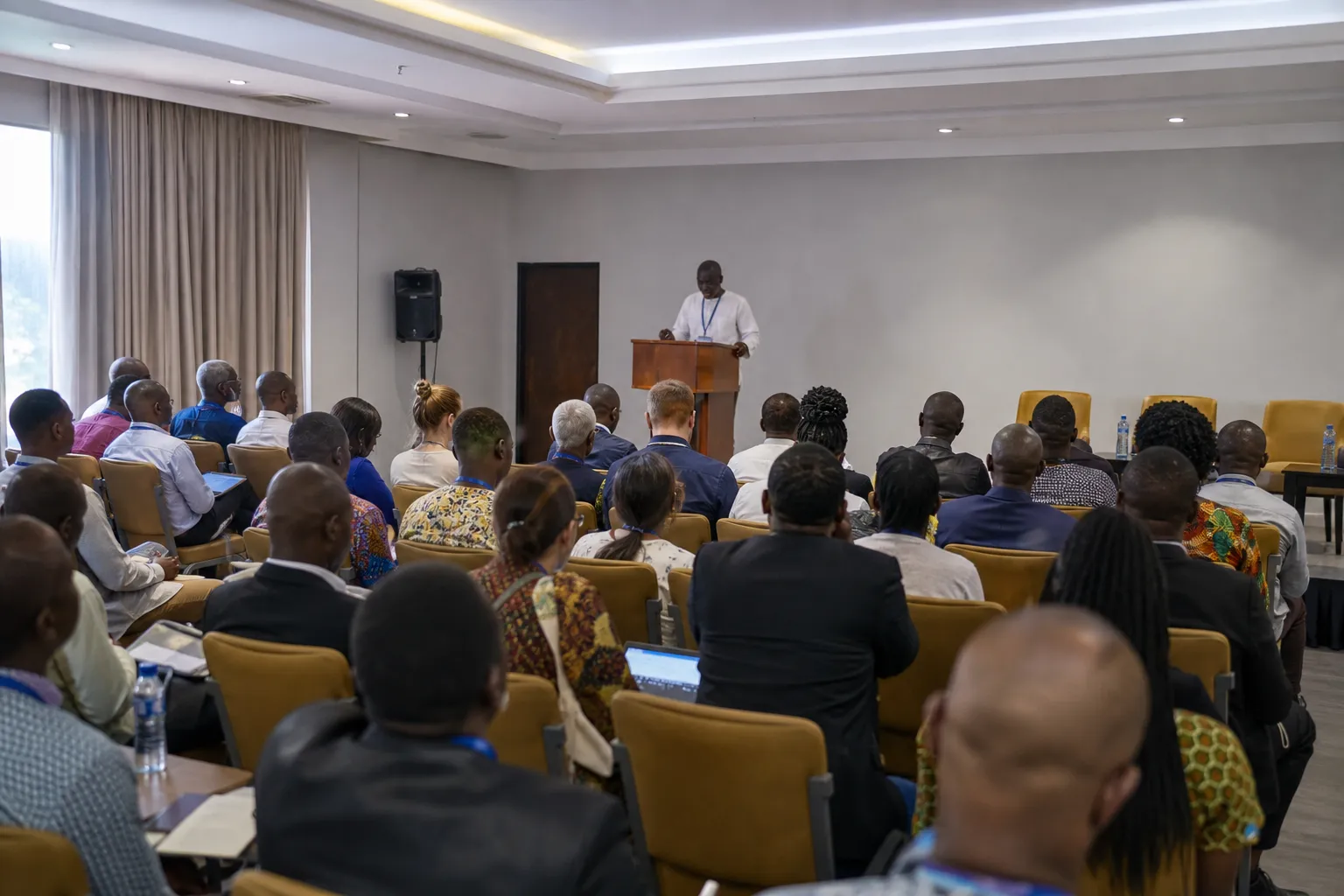
In Jirapa, Ghana, participants in the second annual conference of the Institute for Global Values Inquiry (IGVI) called for reducing the dominance of Western approaches in science and development policy and drawing on Indigenous African knowledge systems. The three-day event took place on September 7–9, 2026, at the Royal Cosy Hills Hotel in cooperation with the University for Business and Integrated Development Studies, MyJoyOnline reports.
Indigenous knowledge and development
University Vice-Chancellor Emmanuel Kanchebe Derbile said that enslavement, colonialism, imperialism and the imposition of religious ideologies had pushed African philosophies, knowledge systems and practices to the margins of history. At the same time, he stressed that Indigenous knowledge should not be viewed as unchanging museum exhibits, as it can be living systems for responding to structural injustice and contemporary crises.
Derbile also drew attention to cuts in funding for the global women’s movement by the Global North and the strengthening of anti-rights movements that portray gender equality as alien to African cultures. According to him, the university has taken steps to provide resources for the Centre for Gender, Diversity and Social Inclusion, headed by Professor Constance Akurugu.
More current news is available on the UA.News Telegram channel Telegram.
Debate on polygyny
Millar Open University President David Millar questioned the notion of European science as objective and value-neutral. Using the worldview of the Dagara people as an example, he said that knowledge should be rooted in the culture of a particular people. Millar also described women as the primary bearers of family and agricultural knowledge and defended traditional polygyny, characterising it as a mechanism for risk management and care for elderly family members.
This position prompted differing reactions among participants. Feminist theorist Oyeronke Oyewumi urged people not to reduce Africa’s large-scale problems to a discussion of polygamy, but instead to focus on the culture of impunity toward women, children and citizens. Lindokuhle B. Gama, a lecturer at North-West University in South Africa, noted that many African women are dissatisfied with the reality of such marriages. IGVI co-director Anke Graneß added that feminist discussions in Africa increasingly question norms that allow men to have several wives while not granting women the same choice.
The organisers said that after the first summit in Berlin, they decided to hold subsequent annual conferences in different regions of the Global South. About 45 scholars from Latin America, Asia, Europe and Africa arrived in Jirapa.
Download our app



