


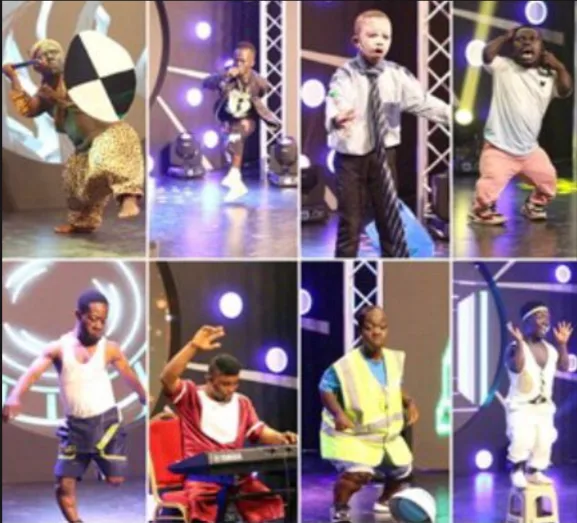
Talent is more than just a natural ability; it is a gift that, when discovered and nurtured, can become a pathway to success. In Ghanaian schools, talent shows are turning stages into platforms where students move beyond textbooks to sing, dance, paint, act, speak and showcase abilities that could shape their careers. Across Ghana, television programmes such as TV3’s Talented Kidz, Adom TV’s Nsoromma, TV3’s Mentor, and Atinka TV’s Di Asa have shown how talent can be transformed into opportunities, inspiring schools to create platforms where students can move beyond textbooks.
While academic education remains an important part of a child’s development, schools also play a crucial role in identifying and nurturing talents beyond the classroom. Across Ghana, talent shows are creating platforms for students to discover and showcase abilities in singing, dancing, drama, painting, poetry, public speaking and other creative activities. With television programmes such as Tv3’s Talented Kidz and Adom Tv’s Nsoromma demonstrating the opportunities that talent development can create, there is growing advocacy for Ghanaian schools to give greater attention to extracurricular activities that can help students develop their talents alongside their academic abilities.
Discovering Hidden Talents: Students’ Experience
For many students, talent shows provide an opportunity to discover abilities they never knew they possessed. A student who may be quiet or reserved in the classroom could find confidence on stage through singing, dancing, drama, poetry, painting or public speaking. Through participation, students are able to identify their strengths, overcome stage fright and improve their skills with practice and encouragement. For some, what begins as a simple school performance can grow into a passion and even a possible career path. These experiences show that when schools create opportunities for students to showcase their abilities, hidden talents can be discovered, nurtured and developed into skills that may shape their future.
Building Students’ Confidence
Talent shows can play an important role in building students’ confidence by giving them the opportunity to perform before teachers, colleagues and parents. For students who are nervous or afraid of speaking or performing in public, repeated participation can gradually reduce stage fright and make them more comfortable before an audience. Each performance allows students to practice expressing themselves, receive encouragement and learn from their mistakes. As their confidence grows, they may become more willing to participate in classroom discussions, school activities and other social situations. In this way, talent shows not only entertain audiences but also help students develop the confidence they need to express their abilities and face future challenges.
For Ephraim Tetteh Thompson, a student of Chastin Intellectuals Academy, participating in the school’s talent show as a newscaster provided an opportunity to develop his confidence and communication skills. Although he felt nervous at first while presenting before teachers and colleagues, the experience gradually helped him overcome his stage fright and become more comfortable speaking before an audience. Ephraim said the experience taught him the importance of preparation, discipline and confidence, while also strengthening his interest in news casting. He believes schools should organise talent shows regularly because they allow students to discover, develop and showcase abilities that may otherwise remain hidden.
Developing Skills Beyond Academics
Education goes beyond classroom activities, as students also need practical skills that can prepare them for life beyond the classroom. Talent shows provide an avenue for students to develop creativity, communication, teamwork, discipline and leadership skills. Through preparing for performances, students learn to think creatively, express themselves confidently and work with others towards a common goal. They also learn discipline by attending rehearsals, managing their time and committing themselves to improving their performances. Students who take leadership roles in organising or coordinating performances can further develop their ability to make decisions, take responsibility and guide others. Therefore, talent shows complement academic education by helping students develop skills that are valuable both in school and in their future careers.
In an interview with Mr. Alopoh Eric an administrator of Chastin Intelllectuals Academy stated, “the inspiration of talent shows at Chastin Intellectuals Academy came from the desire to identify and nurture the hidden talent in our students. We believe every child has a unique gift, and this platform gives them the confidence to showcase their abilities”.
He further explained that talent shows allows to display their skills before an audience, receive encouragement, and build self-confidence, which also helps teachers and parents identify talents that can be further developed through training and mentorship.
Challenges Facing Talent Shows
Despite the benefits of talent development, several challenges continue to limit students’ opportunities to identify and develop their abilities in Ghanaian schools. Some schools lack adequate funding, equipment and suitable spaces for activities such as music, drama, dance, news casting, painting and other talents. The strong emphasis on academic performance can also leave little time for extracurricular activities, while some parents may prioritise examination results over the development of creative skills.
In addition, the shortage of qualified instructors and limited opportunities for professional training can make it difficult for talented students to improve their abilities. These challenges can cause some promising talents to remain undiscovered or underdeveloped, highlighting the need for greater support from schools, parents, government and private organisations.
Talent Shows as a Path to Careers
Talent shows can serve as an important stepping stone towards future careers by allowing students to identify and develop skills that can be useful beyond the classroom. A student who discovers a passion for singing may pursue a music career, while those interested in newscasting, public speaking or acting can develop their communication and presentation skills for careers in broadcasting and the creative arts. Similarly, talents in dancing, sports, fashion and other creative fields can become professional opportunities when properly nurtured and supported. By providing students with early exposure, practical experience and confidence, talent shows can help transform natural abilities into valuable skills and create pathways for young people to pursue careers in Ghana’s growing creative and media industries.
Advocacy
To strengthen talent development in Ghanaian schools, stakeholders must create an environment where students can identify, develop, and confidently showcase their abilities. Schools should organise regular talent shows and establish programmes that give students opportunities to practise and improve their skills. Talented students should also receive professional training and mentorship, while parents should encourage their children to pursue their abilities alongside their academic work. Schools need adequate equipment and facilities to support activities such as music, drama, newscasting and dance. Government agencies, private organisations and other stakeholders can further support these efforts through sponsorship, training and the provision of resources. Such collective support can help ensure that promising talents do not remain hidden but are developed into skills that can contribute to the future of the students and the country.
By: Shardey Nyamekye Ezra & Ofori Priscilla
