


By Solomon Gumah, GNA
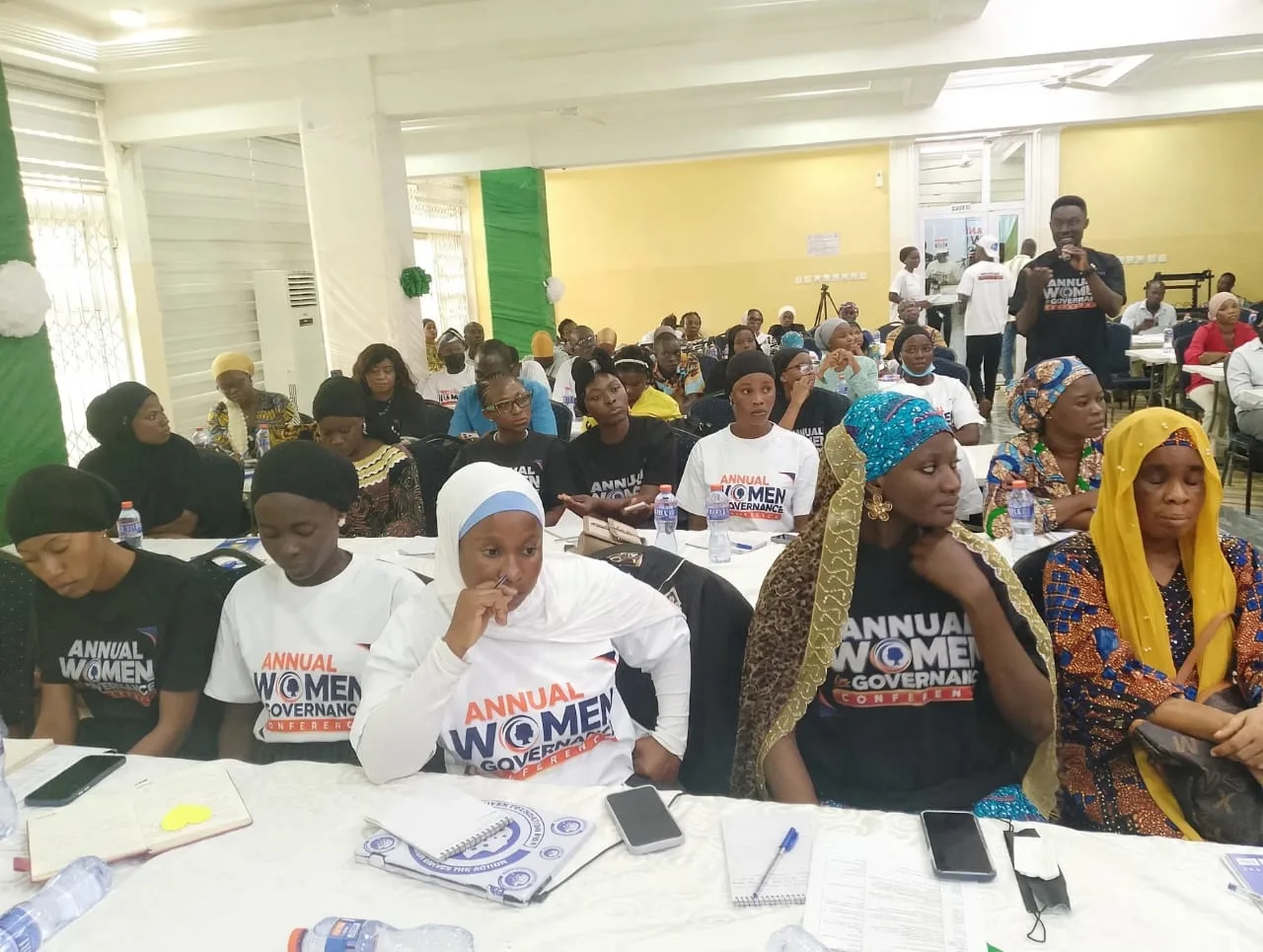
Tamale, Sept 05, GNA – Songtaba, a women’s rights and development organisation, has convened its annual Northern Women in Governance Conference in Tamale to strengthen women’s leadership, participation and representation in local governance.
The conference, held on the theme: “Strengthening Women’s Leadership and Representation in Local Governance,” brought together women leaders, young women and girls, academics, civil society organisations, media practitioners and other stakeholders, to deliberate on barriers limiting women’s meaningful participation in decision-making.
The convening formed part of the implementation of the Heard Everywhere and Represented Daily (HEARD) project, which is supported by Norsaac in partnership with Oxfam in Ghana, ActionAid Ghana, Plan International and other development partners.
Hajia Lamnatu Adam, the Executive Director of Songtaba, said the conference was it was conceived as a platform to bring together women from different generations and leadership backgrounds to share experiences, identify challenges and explore opportunities for advancing women’s participation in governance.
She said, “We deliberately brought together students and young women leaders, former Assembly Members, women in the civil and public services, civil society actors and other women, who had occupied leadership positions to inspire the next generation of women leaders.”
She said the initiative was intended to enable experienced women leaders to share knowledge and experiences with younger women aspiring to leadership, while creating opportunities for networking, mentorship and collaboration.
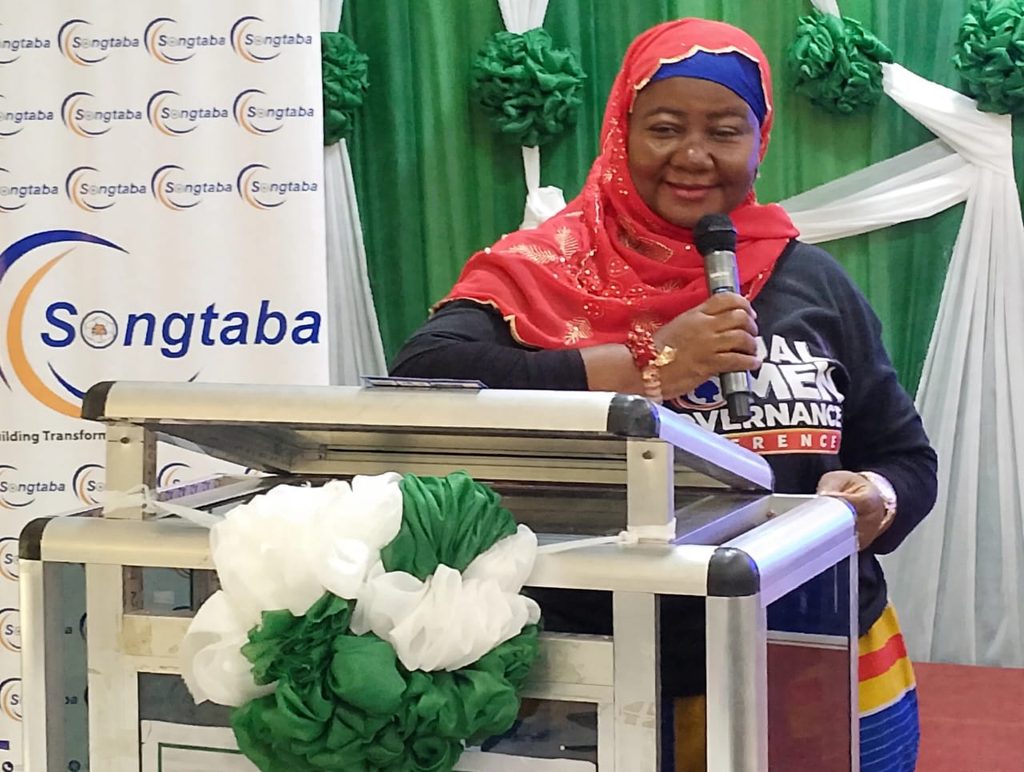
Hajia Adam said the conference was tailored to examine policy and legal frameworks that could address the challenges confronting women in leadership, with particular attention to the implementation of the Affirmative Action (Gender Equity) Act.
She commended Norsaac for supporting the initiative and providing space for stakeholders to discuss both the barriers confronting women in governance and the opportunities available to promote their effective participation.
She said although progress had been made, women continued to face significant challenges particularly in accessing leadership positions, participating meaningfully in decision-making and having their voices heard at various levels of governance.
She said “At the community level, we should be heard. We should be represented. At the district level, we should be heard and represented, and at the national and international level, our voices must grow.”
Hajia Adam said women’s representation at the local governance level remained particularly low adding less than five per cent of elected Assembly Members were women, a situation that required deliberate interventions to change.
Dr Esther Ekua Amoako, a Senior Lecturer at the University for Development Studies and keynote speaker at the conference, said women’s representation had been inadequate globally, citing Africa, and particularly Ghana, where the numbers had remained low despite increasing recognition of the importance of women’s participation in governance.
She said globally, women constituted about 27.1 per cent of parliamentary representation against a target of 30 per cent, indicating that although progress had been made, more work was required to achieve gender parity.
Dr Amoako said some African countries including Rwanda, Senegal, Namibia and South Africa had made significant progress in increasing women’s representation in Parliament but achievements across the continent remained inconsistent.
She, therefore, challenged women to move beyond advocating for more women to contest elections and actively support those, who offered themselves for leadership positions.
She said while women faced structural, financial, social and cultural barriers in politics, they themselves had a responsibility to support, encourage and vote for competent female candidates.
Dr Amoako said mentorship was critical to changing the narrative, adding that studies on women’s electoral participation had identified lack of confidence among some women as one of the factors affecting their ability to effectively compete for leadership positions.
She urged women aspiring to leadership to acquire the requisite knowledge, confidence and skills, including understanding parliamentary and governance procedures to enable them to perform effectively when given the opportunity to serve.
Madam Matilda Yineboma Ayamga, the Programme Advisor at Norsaac, said the HEARD project was aimed at ensuring that women, young people and other marginalised groups were not only heard but were represented and empowered, to influence decisions affecting their lives.
She said the passage of the Affirmative Action (Gender Equity) Act provided an important opportunity to advance women’s representation, stressing that the law would only have the desired impact if institutions, political actors, communities and other stakeholders were deliberate about its implementation.
GNA
Edited by Eric K Amoh/ Christabel Addo
Writer’s Email: [email protected]
