


By Benjamin Nii Nai Anyetei
The Minister for Communication, Digital Technology and Innovations, Samuel Nartey George has called for all Rural Telephony Project sites across Ghana to be upgraded to at least 4G to improve connectivity in rural communities.
He said rural residents should no longer have to depend on outdated network technologies at a time when telecommunications infrastructure is rapidly advancing.
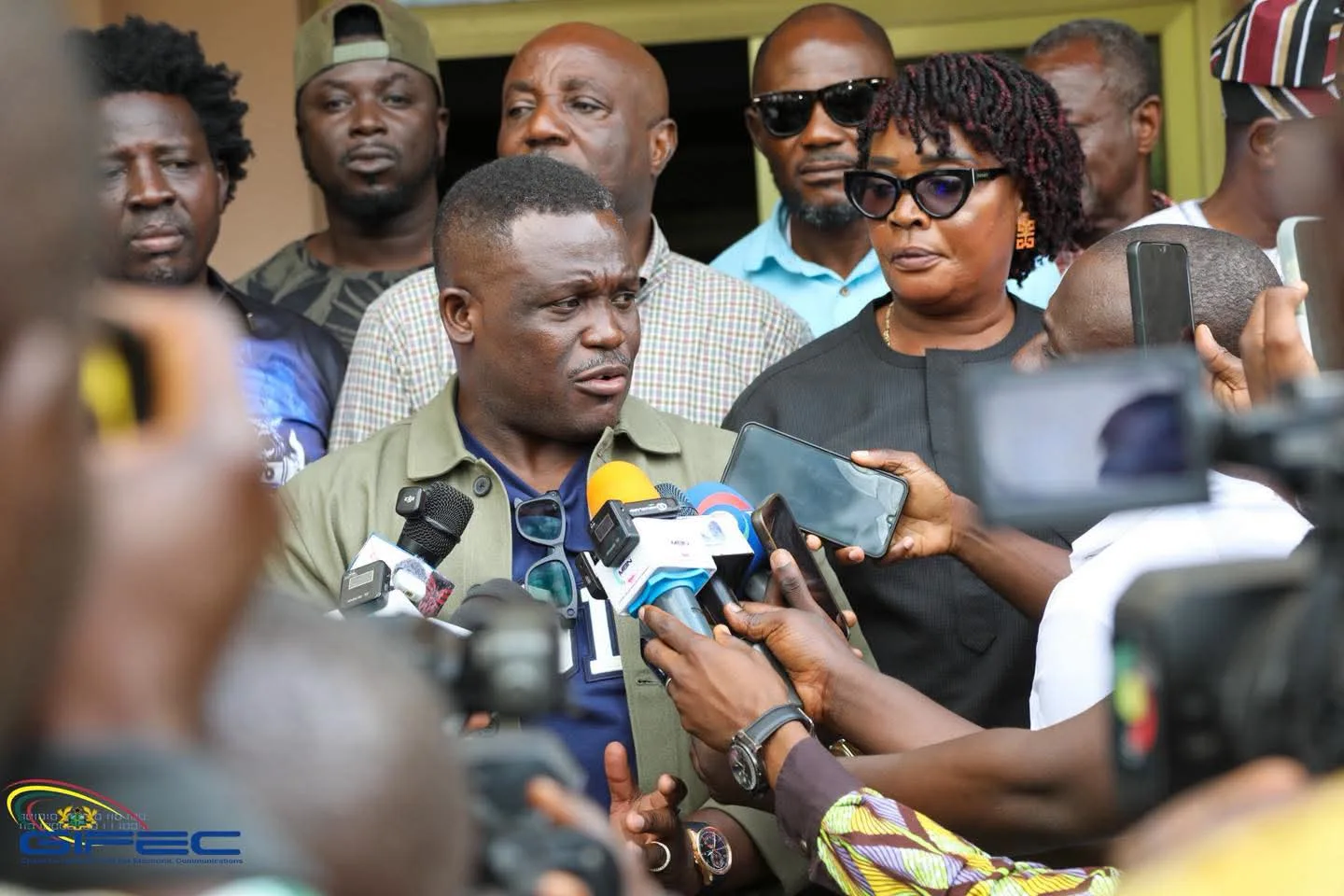
Mr George made the call during a connectivity monitoring exercise in the Eastern Region conducted in collaboration with the Ghana Investment Fund for Electronic Communications (GIFEC).
The exercise covered the Dumpong, Obosono and Nsakye Rural Telephony Project sites, where the team assessed the state of the infrastructure and identified connectivity challenges requiring coordinated interventions.
The Minister said 2G and 3G connectivity were no longer sufficient as the world moved towards more advanced technologies.
“My challenge is that in today’s day and age, we say we’re connecting communities, and we give them 2G, 3G. The world has moved from 5G to 6G. So at least, we must give 4G to our network,” he said.
Mr George said Ghana must make a deliberate decision to invest in telecommunications infrastructure in the same way it invests in roads and hospitals.
“My view on rural telephony is that at least we must give them 4G. As a country, we need to make a decision. We’re investing in roads, hospitals; we must invest in telecom, and we must decide to convert all rural telephony sites to a minimum of 4G and be ready for 5G as well,” he said.
He also attributed delays in completing and operationalising some rural telephony projects to technical oversights, including inadequate site assessments carried out ahead of the 2024 elections.
Mr George explained that technical considerations, including line of sight, were critical when selecting locations for rural telephony infrastructure.

At Dampong, he assured residents that some rural telephony sites that had gone offline because of technical challenges would be restored.
Residents of Nkumkrom in the Akuapem South District also complained of years of poor or no network coverage, saying the situation had affected communication and access to digital services.
The Minister said upgrading the infrastructure would help reduce network congestion and improve mobile services and customer experience across the country.
The government is also projecting that rural communications services will become cheaper than those in urban areas by the first quarter of 2027 as efforts to expand connectivity and improve telecommunications infrastructure continue.
The monitoring exercise was conducted with GIFEC Administrator and CEO Tanko Rashid-Computer, Eastern Regional Minister Rita Akosua Adjei Awatey, and officials from the National Communications Authority (NCA), the Ministry and the Eastern Regional Coordinating Council.
More Stories Here
