


Saturday 05th September, 2026 10:10 PM|
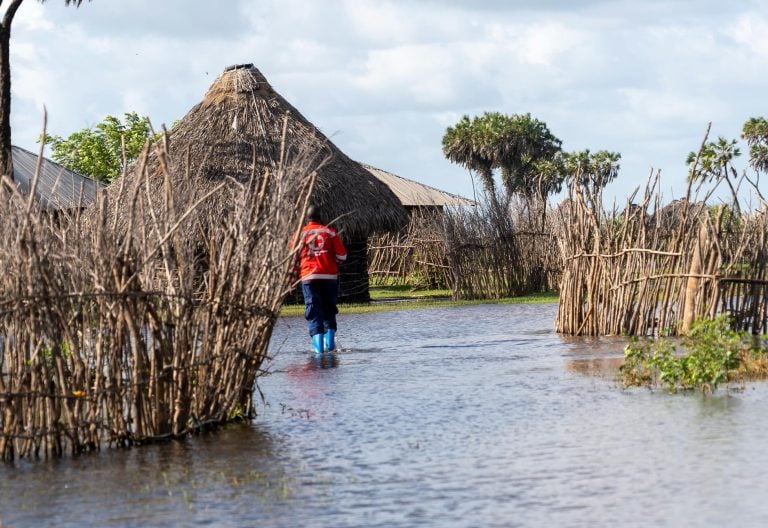
The Kenya Red Cross Society is working to mobilise resources ahead of the expected October-December El Niño rains, but a huge gap remains in funding for early warning actions, Secretary General Ahmed Idris has said.
Idris said the Red Cross was working with donors and development partners, with support from the United Nations Resident Coordinator, to ensure resources are available to respond to the risks posed by the anticipated rains.
“There’s still a huge gap in terms of early support to the warning actions,” Idris said in an interview on a local TV station on Saturday, September 5, 2026.
His comments put the availability of early funding at the centre of preparations for a rainy season that authorities and humanitarian agencies expect could bring significant risks, including flooding and landslides.
Recent reporting on the Kenya Red Cross preparedness campaign says 46 of the country’s 47 counties are expected to receive above-normal rainfall during the October-November-December season.
Idris did not disclose the size of the funding gap or say how much additional financing is required.

He said the Kenya Red Cross was working with the donor community, supported by the UN Resident Coordinator, to mobilise development partners to assess the risks and provide resources before an emergency requires a full response.
“So we’re working with the donor community with the support of the United Nations Resident Coordinator, Mr. Gary Conille,” Idris said.
“There is effort on mobilizing the development partners in the country to look into the risks and ensure that we have early resources for responding to this emergency,” he added.
The focus on early resources comes as Kenya prepares for the October-December rainfall season. In Nairobi, the Kenya Red Cross and the county government have already mapped 227 flood hotspots, including 189 classified as high priority, as part of preparations for the expected rains.
El Niño preparedness
Idris said the broader effort was aimed at improving preparedness across the country and within communities.
“The totality is that there is effort around making the nation more prepared, making our communities more prepared,” he said.
The Red Cross has previously warned that the expected rains could bring widespread humanitarian risks. In a September 3 report, Idris said above-normal rainfall could increase the risk of floods, landslides, displacement and disease outbreaks, with several regions and river basins under close watch.
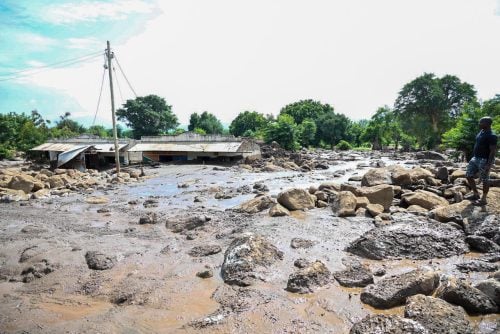
But his latest remarks highlight a different part of the preparedness challenge: having warnings is not enough if resources for early action are not available.
Idris did not say that the funding gap had prevented a specific preparedness measure. Nor did he provide a figure for the resources already secured or the additional amount being sought.
Instead, he said efforts to mobilise support were continuing while the Red Cross prepared for a range of possible outcomes.
“We are hoping for a better outcome, but certainly preparing for the worst of outcomes,” Idris said.
The comments come against a backdrop of concerns over humanitarian financing, as Idris said in July that Idris said funding from the United States had fallen by about 40 per cent, adding pressure to humanitarian operations as Kenya prepared for the El Niño season.
For the Red Cross, the immediate task is therefore to secure resources early, strengthen preparedness and support communities considered vulnerable to the effects of heavy rainfall.
The size of the remaining funding gap is not yet public. But Idris’s warning points to a critical distinction in Kenya’s preparations: the country may have warning of the rainfall risks, but the resources needed to act on those warnings still need to be mobilised.
