


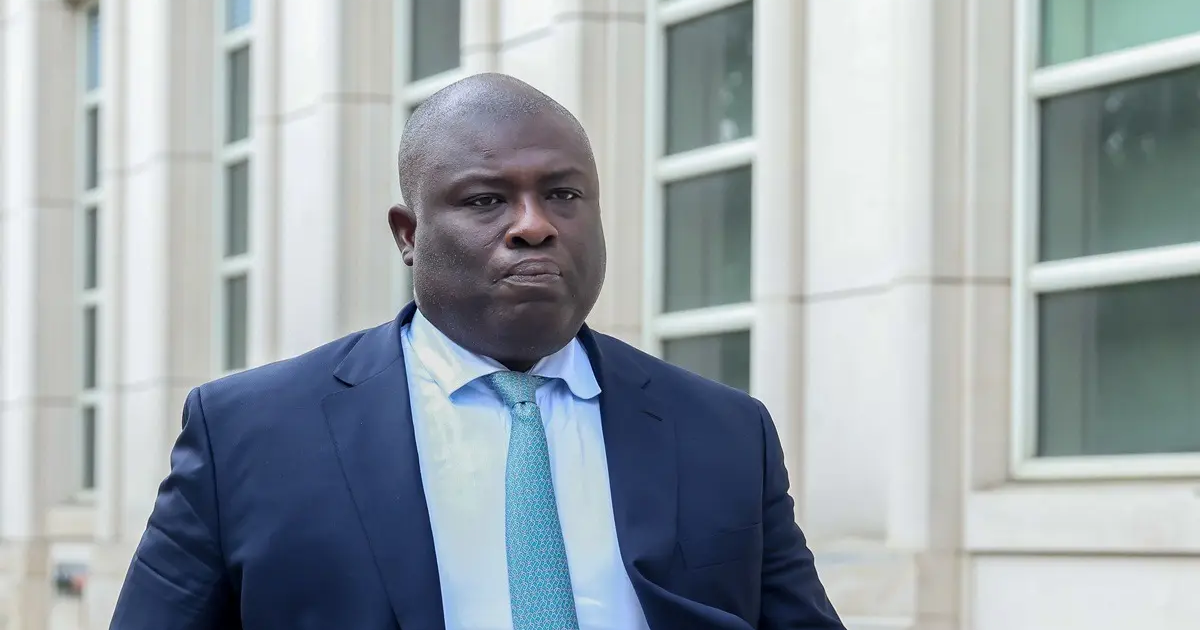
A landmark verdict in a high-profile corruption case has sent shockwaves through global finance and governance circles. A former Goldman Sachs Group Inc. banker, Asante Kwaku Berko, a dual U.S.-Ghanaian citizen, was convicted by a federal jury in Brooklyn, New York, for his role in a sophisticated bribery scheme that spanned international borders. The case, which unfolded over nine days of trial before United States District Judge Diane Gujarati, reveals how Berko and his associates allegedly funneled over $1 million in bribes to Ghanaian government officials to secure a lucrative power plant deal—a project that promised to generate hundreds of millions in profits for the conspirators.
The Bribery Scheme: A Multimillion-Dollar Conspiracy
The prosecution’s evidence painted a damning picture of how Berko, then an Executive Director in Goldman Sachs’ Investment Banking Division, orchestrated a systematic bribery operation to manipulate Ghana’s decision-making process. The scheme, which began in late 2014, targeted critical government officials to fast-track approvals for a power plant project developed in collaboration with Aksa Enerji Uretim A.S., a Turkish energy company that was a Goldman Sachs client.
At the time, Ghana was grappling with a severe energy crisis, making the proposed power plant a high-priority national project. However, prosecutors alleged that Berko and his co-conspirators—including senior executives at Aksa Enerji and other intermediaries—sought to undermine fair competition by bribing officials at multiple levels of Ghana’s government.
Key Figures and Financial Transactions
The bribery scheme was meticulously structured to avoid detection, with payments distributed through a web of shell companies, fake invoices, and nominee bank accounts. Prosecutors detailed how the conspirators allocated funds as follows:
- $1 million was allegedly paid to Ghana’s Minister of Power, who held the authority to approve key aspects of the project.
- $250,000 was directed to the minister’s senior adviser, ensuring influence at a critical decision-making level.
- $46,000 was funneled to members of Parliament to secure legislative ratification of the deal.
- An all-expenses-paid trip to Turkey was arranged for five Ghanaian officials, ostensibly to inspect equipment but likely serving as a lure to secure further bribes.
After Ghana’s Parliament ratified the agreement in July 2015, the conspirators continued their financial maneuvers. Emails obtained during the trial revealed additional bribe payments, including a $250,000 distribution to various officials. One exchange referenced a recipient waiting for the “holy rain”—a coded term prosecutors argued was a veiled reference to the promised bribe money.
Goldman Sachs’ Role and Internal Red Flags
Despite the illegal activities, Goldman Sachs was initially unaware of the corruption within the deal. However, the bank’s compliance team eventually raised concerns, prompting Goldman to withdraw from the transaction. Prosecutors highlighted how Berko actively concealed the bribery scheme by:
– Misleading Goldman’s compliance officers about the nature of the transactions.
– Using his personal email account instead of his corporate one to communicate with co-conspirators.
– Instructing associates to operate outside Goldman’s internal systems, further insulating the firm from scrutiny.
The laundering of funds was another critical aspect of the case. Prosecutors alleged that bribe money was transferred through U.S. and international banks, often via cash withdrawals and nominee accounts, making it difficult to trace the origins of the payments.
Legal Consequences and Statements from Authorities
The conviction comes as a major victory in the fight against global corruption, according to key law enforcement officials. Joseph Nocella, Jr., the United States Attorney for the Eastern District of New York, stated:
“Today’s verdict marks another significant victory in this Office’s longstanding commitment to rooting out corruption. The defendant abused his access to high-level foreign government officials and his platform as an investment banker at a prestigious American firm to line his own pockets with millions of dollars.”
A. Tysen Duva, Assistant Attorney General of the Justice Department’s Criminal Division, emphasized the broader implications for fair global competition:
“We live in a global economy that American companies must be able to compete in fairly. This defendant corrupted that fair competition. He abused his position at a world-renowned American investment bank by helping bribe Ghanaian officials, so he and his co-conspirators could make money.”
Berko now faces up to 30 years in prison upon sentencing, which is scheduled for a later date. He was remanded into custody pending the final judgment.
Broader Implications for Corporate Accountability and Anti-Corruption Efforts
This case underscores the critical need for stricter corporate governance and compliance measures in international finance. While Goldman Sachs was not directly accused of criminal wrongdoing, the incident raises questions about how effectively firms monitor high-risk transactions, particularly those involving foreign government officials.
The conviction also serves as a warning to financial institutions that bribery schemes can be meticulously concealed—even within reputable organizations. The use of shell companies, personal communications, and offshore accounts demonstrates how corrupt actors exploit loopholes in financial systems to facilitate illegal activities.
For Ghana, the case highlights the ongoing challenges in combating corruption within its public sector. While the government has implemented anti-corruption reforms, incidents like this reveal that transparency and accountability must remain top priorities to prevent similar schemes in the future.
A Cautionary Tale for Global Business
The trial of Asante Kwaku Berko is more than just a legal victory—it is a cautionary tale for businesses operating in emerging markets. The case illustrates how corruption can distort fair competition, undermine national development projects, and erode public trust in institutions. As global economies continue to intertwine, the pressure on corporations to uphold ethical standards has never been greater.
For investors, policymakers, and citizens alike, this verdict reinforces the message that corruption has no place in legitimate business dealings. The fight against financial misconduct must remain a collective effort, involving stricter regulations, enhanced due diligence, and unwavering vigilance from all stakeholders.
As the case moves toward sentencing, the world will be watching to see how Berko’s conviction shapes future anti-corruption enforcement and whether it serves as a deterrent for those tempted to exploit their positions for personal gain.
 (A courtroom scene depicting the trial of Asante Kwaku Berko, with prosecutors and defense attorneys presenting evidence.)
