


By The COAST Reporter
Email, [email protected]
• EBC Financial Group says Rwanda’s September fuel shipment through Kenya may raise questions about domestic supply reliability, USD-priced import costs and the planned rise in Rwanda-bound volumes from about 42,000 cubic metres in 2025 to more than 500,000 cubic metres per year.
Nairobi, KENYA | July 9, 2026: Kenya and Rwanda have signed three agreements on June 29, 2026 to move bulk refined petroleum products for Rwanda through Kenya covering a memorandum of understanding (MoU): a rripartite agreement (TPA) and a transport and storage sgreement (TSA).
Despite the economic benefits for Mombasa and the Kenya Pipeline Company (KPC), Rwanda’s first September shipment may raise supply-reliability issues if storage access, pipeline scheduling, and inland transport are not aligned with local fuel needs.
David Precious, senior market analyst at EBC Financial Group, says: “This may be an opportunity for Kenya to grow its regional fuel role, but the fuel shortages that happened in April are a reminder that supply reliability should not be measured only by national stock levels.
Based on the Rwanda target, the concern is timed access, not headline capacity. Storage space, pipeline slots, documentation and truck release need to move in sequence. If those steps slow down, importers may carry higher financing costs while local distributors may face longer waiting times.”
The April shortages do not prove that KPC lacked capacity. It said at the time that stocks across its terminals and depots were sufficient.
However, the situation still showed that national stock levels and fuel availability at the pump can move apart when depot access, distributor behaviour, payment timing or final delivery are not aligned.
The main concern is the movement of Rwanda-bound refined fuel because the new framework only improves regional fuel security if product can land, clear customs, enter storage, pass through KPC pipelines and continue inland without tightening local supply windows.
Rwanda-bound fuel through the Northern Corridor may rise from about 42,000 cubic metres in 2025 to more than 500,000 cubic metres a year, while the first cargo is expected at the Port of Mombasa between September 4 to 6, 2026 according to KPC.
At that pace, Kenya may handle close to a full year of last year’s Rwanda-bound volume almost every month.
So, storage space, pipeline slots and inland transport become commercially important because delays can raise financing costs, slow depot clearance and keep the Dar es Salaam route relevant.
April Shortages Put Local Reliability in Focus
April’s shortages give the Rwanda deal a sharper local meaning because they showed a gap between official assurances and what drivers saw at the pump.
Reports at the time said shortages affected at least 13 counties, with Eldoret among the hardest-hit locations and more than 20 stations closed. Eldoret is important because it is one of the inland points connected to western Kenya supply and regional fuel movement.
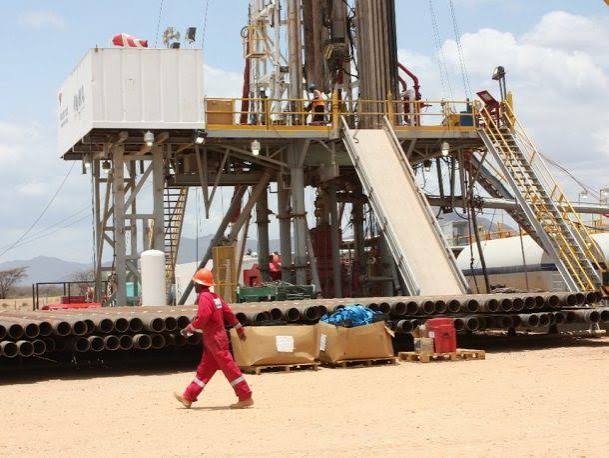
A fuel system can look well stocked overall yet still run short at certain stations if scheduling, commercial choices or delivery timing break down.
Rwanda’s added monthly flow therefore raises a fair question for importers, transporters and policymakers: can the route carry more transit fuel while keeping local supply steady?
KPC has large fuel-moving infrastructure, including pipelines, storage tanks, terminals and inland depots that move refined petroleum products from Mombasa into Kenya and neighbouring markets.
The company says its system includes 1,342 kilometres of pipeline and capacity to handle about 14 billion litres of petroleum products annually, while the KPC initial public offering document lists total storage capacity of 1,138,324 cubic metres.
These figures support Kenya’s regional-hub case, but performance depends less on headline capacity and more on whether the right depot, fuel grade and loading time are available when each shipment needs them.
Why Delays can Turn into Financing Costs
Refined fuel imports are usually priced in USD, while local sales, transport and many operating costs are in local currency. The Energy and Petroleum Regulatory Authority (EPRA) pump-price formula includes inventory financing costs, while EPRA pricing releases state imported petroleum landed costs in USD per cubic metre. stated in USD per cubic metre.
When a shipment is delayed, importers can face financing costs and currency risk simultaneously.
As an illustrative model, a 40,000 cubic metre shipment priced at USD750 per cubic metre is worth USD30 million.
At a 12% yearly financing cost, one day of delay adds about USD9,900 before other charges. This is not a forecast, but it reflects the type of inventory financing cost included in Kenya’s fuel pricing formula.
Uganda shows how large Kenya’s regional fuel role can become when transit flows scale. Uganda National Oil Company (UNOC) says Uganda imports approximately 95 percent of its petroleum products through Kenya via the Port of Mombasa and the KPC pipeline system.
Rwanda’s use of Mombasa may add to Kenya’s regional fuel influence, but only if higher transit volumes do not crowd local supply or create new waiting costs for importers and distributors.
Where Local-supply, Currency and Investor Pressure may Surface
Allocation may become the most visible source of local-supply pressure. KPC may need to balance local distributors, Uganda-linked flows and Rwanda-bound volumes across the same depot and pipeline slots.
If local distributors perceive Rwanda cargoes as competing with local supply windows, the issue may become politically sensitive even when national stock levels appear adequate.
Foreign exchange exposure adds another layer of financial pressure. A weaker Kenyan shilling or Rwandan franc during a delayed cargo cycle can raise the local-currency cost of USD-priced fuel.
This does not mean the Rwanda deal would cause currency weakness, but delays can make the financial impact of exchange-rate moves more visible.
KPC’s reputation as a regional infrastructure operator is also more exposed. After Kenya’s 2026 initial public offering and Uganda’s 20.15% strategic stake, KPC is now being watched not only as a state pipeline operator but as a company expected to support cross-border fuel security under investor scrutiny.
Uganda’s energy minister said the stake mattered because of KPC’s role in fuel supply security, affordability and accessibility, which raises the stakes around Rwanda’s first shipment through the same system.
“The bigger worry is not one late shipment,” Precious added. “It is a repeated pattern where waiting time turns into financing cost. A one-day delay on a USD30 million shipment can add about USD9,900 before other charges.

If that repeats, the value of the route starts leaking into cost. Mombasa’s regional role may depend on whether the corridor is predictable for both transit fuel and local supply.”
Kenya’s Rwanda fuel framework strengthens Mombasa’s claim as a regional energy gateway, but it also exposes the corridor to a harder standard: moving more transit fuel without reviving local supply concerns, raising importer financing costs or weakening confidence in KPC’s regional infrastructure role.
About The Author

