


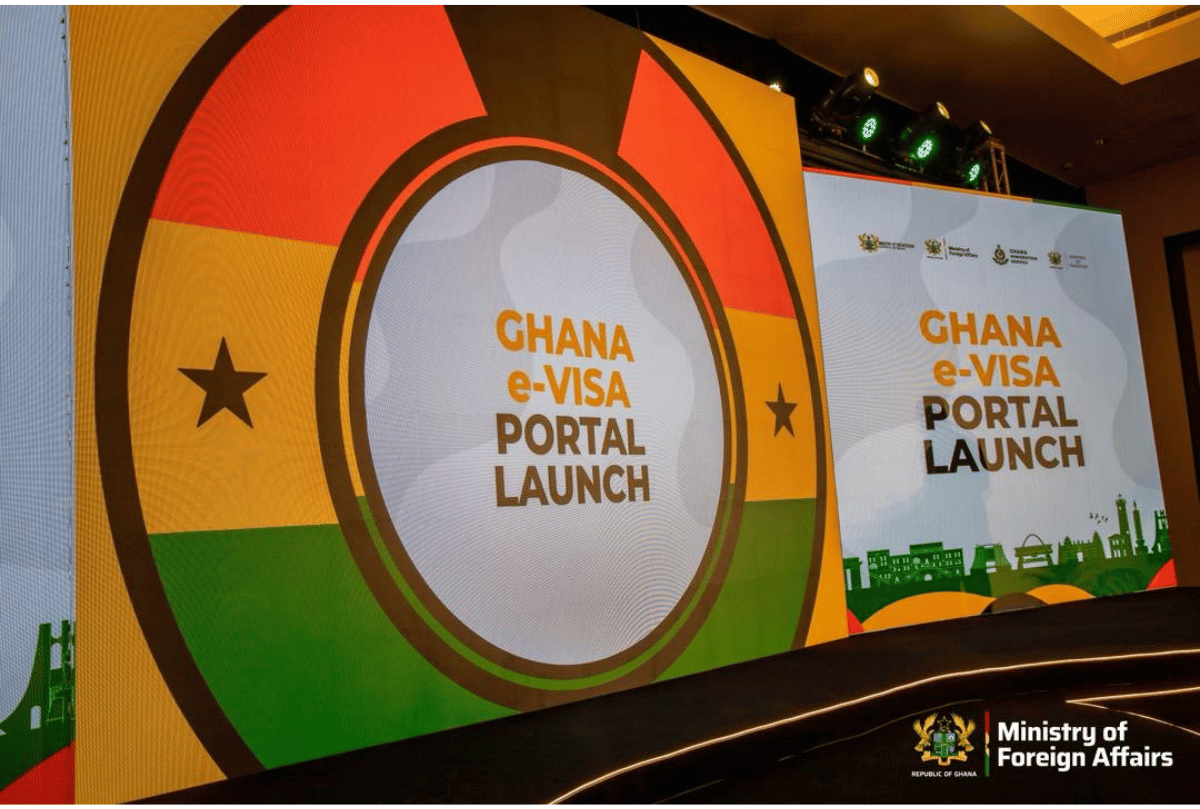
Ghana has taken a monumental step toward modernizing its immigration infrastructure by officially launching its national electronic visa (e-visa) portal, a cutting-edge digital platform designed to streamline visa processing, enhance security, and foster seamless cross-border mobility. The initiative, unveiled on May 25, 2026, during celebrations for the 63rd African Union Day, marks a pivotal shift from outdated manual visa systems to a fully automated, technology-driven framework that promises greater efficiency, transparency, and accessibility for travelers and businesses alike.
A Digital Transformation for African Mobility
The new e-visa system replaces cumbersome paper-based procedures with an end-to-end digital workflow, eliminating bureaucratic delays and reducing human error. This transition aligns with Ghana’s broader vision of digital governance and positions the country as a regional leader in smart border management. By integrating biometric verification, automated document validation, and real-time processing, the platform ensures faster approvals while maintaining stringent security protocols.
President John Dramani Mahama emphasized the initiative’s significance during the launch, stating that the e-visa system reflects Ghana’s dedication to innovation, connectivity, and efficient public service delivery. The move is part of a larger strategy to accelerate African integration under the African Union’s Agenda 2063, which advocates for a unified continent with free movement of people, goods, and services.
Visa Fee Waiver for African Travelers: A Boost for Intra-African Trade
One of the most impactful announcements was the immediate waiver of visa fees for African passport holders traveling to Ghana. This decision, effective from the launch date, underscores Ghana’s commitment to facilitating African mobility and supporting the African Continental Free Trade Area (AfCFTA)—a landmark economic agreement aimed at creating a single market for the continent.
The removal of visa fees is expected to stimulate intra-African tourism, trade, and investment, fostering economic growth and strengthening regional ties. Ghana, which hosts the AfCFTA Secretariat in Accra, has positioned itself as a strategic hub for pan-African business and diplomacy. By reducing barriers to entry, the country aims to attract more African entrepreneurs, investors, and tourists, thereby boosting its economy and reinforcing its role as a gateway to West Africa.
Enhanced Security and Strategic Border Management
While the e-visa system prioritizes efficiency and accessibility, it also incorporates advanced security measures to prevent fraud and unauthorized access. Foreign Affairs Minister Samuel Okudzeto Ablakwa highlighted that the platform adheres to internationally recognized digital safeguards, ensuring that Ghana’s borders remain secure yet open to legitimate travelers.
Interior Minister Muntaka Mohammed-Mubarak further emphasized that efficient immigration systems are now a competitive advantage for nations seeking to attract global partnerships and foreign direct investment (FDI). The e-visa system’s ability to process applications in real time, verify identities electronically, and integrate with global databases makes it a model for other African nations looking to modernize their border controls.
Strengthening Pan-African and Afro-Caribbean Relations
The launch of the e-visa system also underscored Ghana’s growing diplomatic and economic cooperation with the Caribbean. Jamaican Foreign Minister Kamina Johnson Smith praised Ghana’s leadership in advancing Pan-Africanism and its support for Afro-Caribbean solidarity. She specifically acknowledged Ghana’s assistance in post-Hurricane Melissa reconstruction efforts, reinforcing the deep historical and cultural ties between the two regions.
This collaboration signals a broader trend of African-Caribbean partnerships in trade, education, and infrastructure development, with Ghana serving as a bridge between the two regions.
Future Integration and Expanded Benefits
The e-visa platform is designed to be scalable and interoperable, meaning it will eventually integrate with Ghana’s broader passenger information and border management systems. This includes automated immigration checkpoints, enhanced screening protocols, and seamless travel coordination for both arriving and departing passengers.
Key stakeholders—including diplomats, aviation industry leaders, security agencies, tourism operators, and government officials—attended the launch, underscoring the initiative’s multi-sectoral importance. The system is expected to reduce travel delays, minimize corruption risks, and improve the overall visitor experience, making Ghana a more attractive destination for both leisure and business travelers.
A Blueprint for Africa’s Digital Future
Ghana’s e-visa system represents more than just a technological upgrade—it is a strategic investment in Africa’s digital transformation. By embracing smart governance, open borders, and economic integration, the country is setting a precedent for other nations seeking to leverage technology to drive growth and connectivity.
As the platform continues to evolve, it will play a crucial role in realizing the AfCFTA’s vision of a unified African market, where trade flows freely, mobility is unrestricted, and digital infrastructure supports sustainable development. With this bold step, Ghana is not only modernizing its own immigration processes but also leading Africa into a new era of digital mobility and economic prosperity.
(Word count: ~650)
