


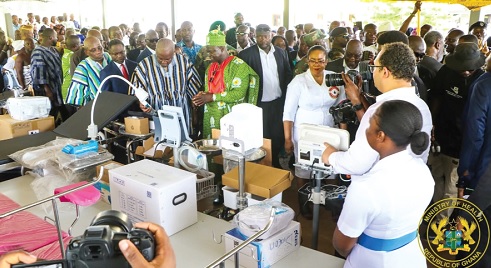
In a recent address to the nation, President [Name] of Ghana issued a powerful call to action, urging citizens to prioritize their health as a cornerstone of national progress. The President emphasized that a healthy population is not only essential for individual well-being but also for the collective strength and resilience of the country. With rising concerns over lifestyle-related diseases such as diabetes, hypertension, and obesity, the President’s message resonated deeply, urging Ghanaians to adopt sustainable habits that foster long-term health.
The Urgency of a Health-Conscious Nation
Ghana, like many developing nations, faces a growing burden of non-communicable diseases (NCDs) linked to poor dietary choices, sedentary lifestyles, and stress. The President highlighted that these conditions strain healthcare systems, reduce productivity, and disproportionately affect vulnerable populations. By adopting healthier lifestyles, individuals can mitigate these risks, ensuring a more robust and economically active society.
The President’s speech underscored the importance of proactive health management, stressing that small, consistent changes—such as regular physical activity, balanced nutrition, and mental well-being practices—can yield profound long-term benefits. “Health is wealth,” the President declared, reinforcing the idea that investing in personal wellness is an investment in Ghana’s future.
Key Strategies for a Healthier Lifestyle
To align with the President’s vision, Ghanaians can implement the following evidence-based strategies into their daily routines:
1. Prioritizing Nutritious Diets
A cornerstone of a healthy lifestyle is nutrient-dense nutrition. The President encouraged citizens to shift toward diets rich in:
– Fresh fruits and vegetables: These provide essential vitamins, minerals, and antioxidants that bolster immunity and reduce chronic disease risks. Locally available options like palm oil, plantains, leafy greens (e.g., garden eggs and bitter leaf), and citrus fruits should be incorporated into meals.
– Whole grains: Foods like millet, sorghum, and brown rice offer sustained energy and fiber, aiding digestion and blood sugar control.
– Lean proteins: Sources such as fish (e.g., dakpala, sardines), beans, and poultry support muscle health and metabolic function.
– Healthy fats: Incorporating avocados, groundnut oil, and nuts can improve heart health when consumed in moderation.
The President also warned against excessive consumption of processed foods, sugary beverages, and fried snacks, which are major contributors to obesity and metabolic disorders. “Eat to live, not live to eat,” the President advised, urging mindful consumption.
Illustration of a balanced Ghanaian meal featuring local produce like garden eggs, palm nut soup, and millet porridge—key components of a nutritious diet.
2. Embracing Physical Activity
Sedentary lifestyles are a leading cause of lifestyle-related illnesses. The President advocated for regular physical activity, whether through structured exercise or everyday movement. Ghanaians can adopt the following habits:
– Daily walking or cycling: Even a 30-minute brisk walk can significantly improve cardiovascular health and reduce stress.
– Traditional and modern exercises: Activities like dance (e.g., highlife, afrobeat), weightlifting, yoga, or team sports (e.g., football, volleyball) can be enjoyable while promoting fitness.
– Workplace and home movement: Taking short breaks to stretch, using stairs instead of elevators, or engaging in desk exercises can counteract prolonged sitting.
The President noted that community-based physical activities, such as group exercise classes or sports tournaments, foster social bonds while improving health. Schools and workplaces were also encouraged to integrate physical education programs to cultivate lifelong active habits.
3. Managing Mental and Emotional Well-Being
Stress, anxiety, and depression are silent yet pervasive challenges in modern life. The President highlighted the importance of mental health awareness, urging Ghanaians to:
– Practice mindfulness and meditation: Even 5–10 minutes of daily meditation can reduce stress and improve focus.
– Seek social support: Building strong relationships with family, friends, and community members provides emotional resilience.
– Prioritize sleep: Quality sleep (7–9 hours for adults) is critical for cognitive function, immune health, and emotional regulation. The President advised avoiding late-night screen time and establishing consistent sleep schedules.
– Access professional help: Stigma around mental health should be dismantled. The President commended Ghana’s growing network of psychologists and counselors and encouraged those struggling to seek assistance without hesitation.
[IMAGE_2]
Depiction of a Ghanaian family engaging in outdoor activities like cycling and gardening, illustrating holistic wellness through physical and mental health practices.
4. Preventive Healthcare and Regular Check-Ups
The President emphasized that prevention is better than cure. Ghanaians were urged to:
– Schedule annual health check-ups: Early detection of conditions like hypertension, diabetes, or cancer can lead to timely interventions.
– Vaccinate and immunize: Routine vaccinations protect against infectious diseases, ensuring long-term health security.
– Stay informed: Understanding personal health risks (e.g., family history of diseases) allows for proactive management.
The President also called on the government and healthcare providers to expand access to affordable healthcare services, particularly in rural areas, to bridge disparities in health outcomes.
5. Leading by Example: Role Models in the Community
The President’s call to action extends beyond individuals to community leaders, parents, and influencers. By modeling healthy behaviors, these groups can inspire broader societal change. For instance:
– Parents can instill healthy habits in children through family meals, outdoor play, and limiting screen time.
– Workplaces can promote wellness by offering fitness challenges, healthy snacks, or ergonomic workstations.
– Media and social platforms can amplify positive health narratives, showcasing success stories of individuals who have transformed their lifestyles.
The President noted that collective action—such as community clean-up drives, tree-planting initiatives, and health education campaigns—can create an environment that naturally encourages healthier choices.
Government and Stakeholder Support
While individual responsibility is paramount, the President acknowledged the role of government policies and partnerships in fostering a healthier nation. Key initiatives include:
– Nutrition education programs in schools to teach children about balanced diets.
– Public health campaigns to raise awareness about NCDs and preventive measures.
– Infrastructure development such as walkable cities, bike lanes, and recreational parks to facilitate physical activity.
– Subsidized healthcare for vulnerable populations to ensure equitable access to medical services.
The President also urged private sector collaboration, encouraging businesses to invest in employee wellness programs and sustainable food production.
Overcoming Barriers to a Healthier Lifestyle
Despite the clear benefits, some Ghanaians face obstacles to adopting healthier lifestyles. Common challenges include:
– Lack of awareness: Many individuals are unaware of the risks associated with poor health habits or how to make positive changes.
– Financial constraints: Affordable, nutritious food and gym memberships may not be accessible to all.
– Cultural and social norms: Traditional diets and sedentary work environments can hinder progress.
– Urbanization: Fast-paced city life often prioritizes convenience over health, leading to reliance on processed foods and minimal exercise.
The President addressed these barriers by advocating for community-driven solutions, such as:
– Farmer training programs to promote local, organic food production.
– Affordable fitness initiatives, including community gyms and free outdoor exercise classes.
– Public-private partnerships to subsidize healthy food options in markets and schools.
The Ripple Effect: A Healthier Ghana for All
The President’s vision for a healthier Ghana is not merely about individual well-being but about building a nation that thrives. When citizens prioritize their health, the benefits ripple outward:
– Increased productivity: A healthier workforce contributes to economic growth.
– Reduced healthcare costs: Preventive care lowers the burden on public health systems.
– Stronger families and communities: Healthier individuals foster more cohesive and resilient societies.
– Global competitiveness: A healthy population enhances Ghana’s ability to attract investment and tourism.
[IMAGE_3]
Graphic representation of a pyramid illustrating the interconnectedness of physical health, mental well-being, and community support as pillars of a thriving society.
Taking the First Step Today
The President’s message is clear: health is a journey, not a destination. Small, consistent steps—such as drinking more water, taking the stairs, or preparing home-cooked meals—can lead to transformative results. The President encouraged Ghanaians to:
1. Start today: Begin with one healthy habit and build from there.
2. Stay accountable: Share goals with friends or family to maintain motivation.
3. Celebrate progress: Acknowledge milestones, no matter how small.
4. Advocate for change: Use social platforms to inspire others and hold institutions accountable for creating healthier environments.
As the President concluded, “A healthy nation is a prosperous nation.” By embracing this call to action, Ghanaians can collectively pave the way for a future where wellness is not just an aspiration but a way of life.
Note: While this article focuses on lifestyle changes, it is essential to consult healthcare professionals for personalized medical advice. The President’s address also highlighted the importance of government policies in supporting these efforts, including ongoing campaigns to educate the public on health risks and preventive measures.
