



How Afrobeats’ Evolution into Multidisciplinary Creativity Is Redefining Nigeria’s Entertainment Landscape
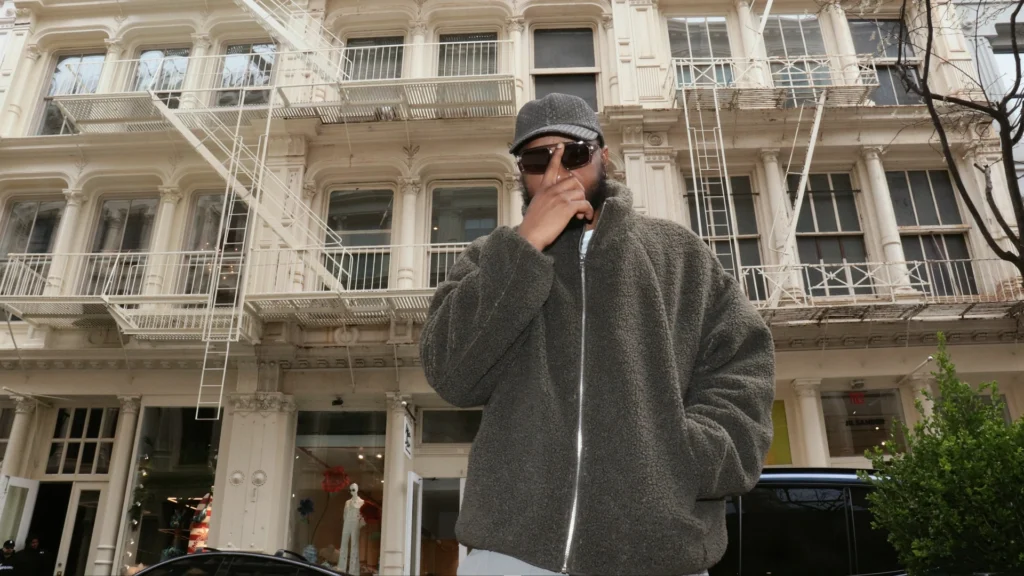
The recent announcement by MoveAndDream, a prominent Nigerian music executive and entrepreneur, that he is venturing into drama production has sparked widespread discussions across the entertainment industry. Known for his socially conscious music projects and collaborations with established artists, MoveAndDream surprised many when he unveiled plans for “Moves”, a new drama series, alongside a teaser titled “Chapter Zero” on YouTube. This bold move has reignited conversations about the shifting dynamics within Nigeria’s entertainment sector, particularly whether key figures are increasingly diversifying their creative portfolios beyond music.
When The Guardian reached out to MoveAndDream for clarity, he clarified that his foray into film and drama was not a departure from music but rather an extension of his creative vision. “Directing and acting have always been as much a part of my dreams as music,” he stated. “I am simply following my heart, and I am very grateful to be able to do so. The music will never stop—it’s a part of me.” His response encapsulates a broader industry-wide trend where entertainment professionals are no longer confined to traditional career paths but are actively exploring multidisciplinary ventures—from podcasting and fashion to technology, hospitality, and film production.
The Rise of Diversification in Nigeria’s Entertainment Industry
The trend of diversification is not isolated to Nigeria. Globally, music stars like Jay-Z, Rihanna, and Dr. Dre have transitioned from being solely musicians to becoming business moguls with interests in technology, fashion, media, and consumer products. Nigeria’s entertainment ecosystem appears to be following a similar trajectory, with artists and producers expanding their creative horizons beyond the studio.
One of the most striking examples is the blurring of lines between Afrobeats and Nollywood. Many of Nigeria’s biggest music stars have successfully made the leap into acting, proving that creativity is no longer limited to a single medium. Banky W, for instance, has cemented his status as a crossover star with blockbuster performances in films like The Wedding Party, Up North, and Sugar Rush. Similarly, Falz has built a formidable acting career alongside his music, earning acclaim for roles in Jenifa’s Diary, New Money, and Brotherhood.
Tiwa Savage, another trailblazer, expanded her creative reach by appearing in the MTV series Shuga before starring in her own film, Water and Garri. Reminisce, a rising hip-hop star, made a chilling impact as Makanaki in King of Boys, while Chike showcased his versatility in Gangs of Lagos and the television drama Battleground. Even Yemi Alade and Simi have ventured into acting, with Alade starring in Omo Ghetto: The Saga and Simi earning praise for her debut in Kunle Afolayan’s Mokalik.
These artists are not abandoning music—they are leveraging their existing fanbase, storytelling skills, and industry connections to explore adjacent creative industries. The result is a synergistic relationship between music and film, where each medium enhances the other’s reach and impact.
Why Are Artists Diversifying?
Several factors contribute to this shift:
-
Changing Audience Behavior
Younger consumers today engage with creators across multiple platforms, including music, video content, podcasts, short-form social media, live events, and film. Artists who can operate across these formats are better positioned to maintain relevance and deepen audience engagement. -
The Need for Multiple Revenue Streams
The streaming economy favors scale, making it increasingly difficult for artists to rely solely on music revenues. Diversification allows creators to build sustainable businesses around their personal brands, ensuring long-term financial stability. -
The Convergence of Nollywood and Afrobeats
Nigeria’s two most successful cultural exports—Nollywood and Afrobeats—are increasingly collaborating, creating new opportunities for storytelling, audience growth, and commercial success. This synergy has led to hybrid projects where music and film intersect, such as soundtracks for films or music videos that double as short films. -
The Influence of Global Entertainment Trends
International stars like Beyoncé, Dwayne “The Rock” Johnson, and Will Smith have successfully transitioned into acting, film production, and business. Nigerian artists are following suit, recognizing that diversification is no longer optional but essential for staying competitive in a rapidly evolving industry.
Challenges and Opportunities in Afrobeats’ Maturity
While diversification presents significant opportunities, it also comes with challenges. The Afrobeats genre, once the dominant force in African music, now faces stiff competition from emerging genres like Amapiano (South Africa), Afro-house, and global dance music. Additionally, streaming algorithms favor established acts, making it harder for mid-tier artists to sustain careers through music alone.
However, rather than signaling a decline, this diversification reflects Afrobeats’ maturity. The genre’s global success has empowered Nigerian creatives to explore new frontiers, from film production to fashion and technology. When artists like MoveAndDream venture into drama, they are not just expanding their portfolios—they are creating platforms for other creatives to thrive.
The Future of Nigerian Entertainment
The emergence of projects like Moves suggests that Nigeria’s entertainment industry is becoming more ambitious, interconnected, and commercially sophisticated. The question is no longer whether Afrobeats is losing influence—it is whether its success has given Nigerian creatives the confidence, audience, and capital to explore entirely new frontiers.
For MoveAndDream, this move is about embracing the full spectrum of creative possibilities. For Nigeria’s entertainment industry, it represents a new era of innovation, where artists are no longer bound by traditional career paths but are instead building empires that transcend music.
In the end, diversification is not a sign of decline—it is evidence of an industry growing up. As Afrobeats continues to evolve, so too will the creative landscape, with Nigerian talent leading the way in multidisciplinary storytelling and business innovation.
 WhatsApp


