


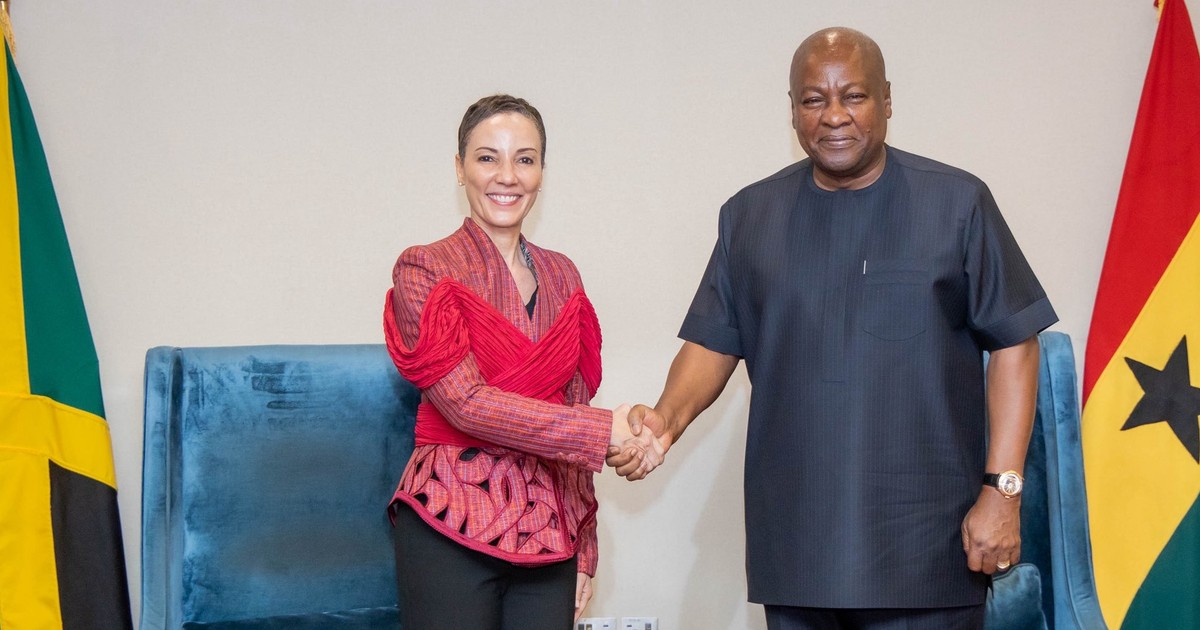
The agreement, signed during high-level talks between Ghana and Jamaica in Accra, highlights a growing global paradox: African countries continue to train thousands of healthcare workers they cannot absorb, while overseas health systems increasingly rely on African talent to plug labour shortages.
For Jamaica, the deal helps address critical staffing gaps in hospitals and healthcare facilities. For Ghana, it creates employment opportunities for workers who have struggled to secure public-sector jobs amid fiscal pressures and hiring constraints.
The first group of nurses is expected to begin work in Jamaica in the coming weeks following the signing of a health workforce mobility agreement between the two countries.
A growing jobs crisis at home
The nurse deployment programme comes against the backdrop of a mounting employment challenge in Ghana’s health sector.
Earlier this year, Ghana’s Health Minister, Kwabena Mintah Akandoh, revealed that over 100,000 trained health professionals, including nurses, midwives and allied health workers, remained unemployed at the end of 2025.
The government has previously warned that the figure could climb significantly in the coming years if recruitment into the public health system fails to keep pace with the number of graduates entering the workforce.
The situation has created a growing pool of qualified professionals seeking opportunities abroad.
Foreign Affairs Minister Samuel Okudzeto Ablakwa said the agreement would allow hundreds of Ghanaian nurses to support Jamaica’s healthcare system while providing employment opportunities for Ghanaian professionals.
The arrangement will include professional licensing, credential verification, deployment schedules and welfare support for participating nurses.
Why Jamaica needs Ghanaian nurses
The Caribbean nation is facing many of the same workforce pressures confronting health systems across the world.
In May, Jamaica established an International Recruitment Unit to coordinate overseas hiring and bilateral recruitment partnerships as it seeks to fill shortages in nursing, midwifery, intensive care and other specialised medical fields.
Jamaican authorities have already explored recruitment partnerships with countries including Ghana, Nigeria and India as they search for skilled healthcare workers.
The challenge is far from unique.
The World Health Organization has repeatedly warned of a global shortage of healthcare workers, particularly in nursing and specialised care. Demand surged after the COVID-19 pandemic as ageing populations, workforce burnout and rising healthcare needs intensified staffing pressures across many countries.
As a result, healthcare systems in North America, Europe, the Gulf and parts of the Caribbean have increasingly looked overseas for talent.
Africa’s healthcare brain drain debate
The Ghana-Jamaica agreement is likely to renew debate over the migration of skilled healthcare workers from Africa.
Countries such as Ghana and Nigeria have seen growing numbers of nurses and doctors relocate abroad in search of better pay, improved working conditions and stronger career prospects.
While overseas recruitment creates jobs and generates remittance income, critics argue that it can deepen staffing shortages in countries already struggling to strengthen their healthcare systems.
The issue is particularly sensitive because Ghana remains on the World Health Organization’s Health Workforce Support and Safeguards List, which identifies countries facing health workforce vulnerabilities.
Yet supporters of managed labour mobility programmes argue that preventing migration is unrealistic when domestic employment opportunities remain limited.
For many healthcare workers, the bigger challenge is not leaving Ghana but finding work within it.
The latest agreement was reached during the third session of the Ghana-Jamaica Permanent Joint Commission for Cooperation, the first meeting of the bilateral mechanism in 21 years.
The two countries also signed agreements covering defence cooperation and tourism.
Discussions are advancing on another labour mobility programme that could see Ghanaian teachers deployed to Jamaica from August 2026 if ongoing negotiations are completed.
The renewed partnership underscores how competition for skilled workers is reshaping international relations, with countries increasingly looking beyond traditional migration routes to secure the talent needed to support essential services.
For Ghana, the agreement offers immediate relief for hundreds of unemployed nurses. For Jamaica, it provides access to desperately needed healthcare workers.
But it also raises a larger question facing many African economies: why are countries producing thousands of skilled professionals they cannot afford to employ while the rest of the world competes to recruit them?
