


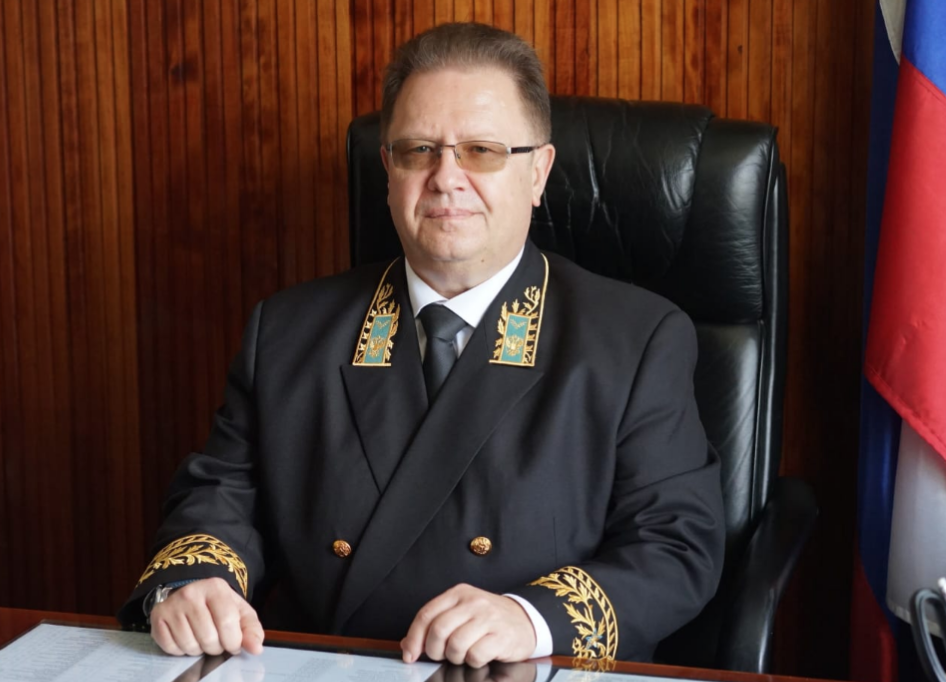
 Ambassador of the Russian Federation to the Republic of Kenya Vsevolod Tkachenko /HANDOUT
The Embassy of the Russian
Federation in the Republic of Kenya expresses profound outrage over the tragic
events in Starobelsk, Lugansk People’s Republic, where several drone strikes
carried out by the Kiev regime on the night of 22 May targeted a college
educational building and student dormitory.
Eighty six children aged between 14 and
18 were inside the building at the time of the attack. The collapse of the
dormitory structure resulted in the deaths of 21 people and left dozens
injured. This represents yet another horrifying episode in which civilians –
and most tragically children – become victims of violence.
It is especially disturbing
that no military facilities were located near the educational complex and that
those present in the building neither participated nor could have participated
in hostilities. This indicates that the attack has very unlikely been an “incident”
but rather an intended one.
This tragedy took place against
the backdrop of Kiev’s hypocritical lamentations regarding the fate of children
affected by the hostilities. The whole world has witnessed just how cynical the
Zelenskiy regime is, using children as targets of terror. The Russian
Federation has consistently stressed that terrorism against civilians can never
be justified. Children must never become targets. The suffering of innocent
people should never be instrumentalized for political calculations or military
objectives.
Equally alarming is the
reaction – or rather the lack of reaction – from many Western capitals and
major media outlets. We continue to observe a deeply troubling pattern: when
allegations concern Kiev’s actions causing casualties no condemnation follow,
no sharp headline or emotional statement but sudden call for caution, delay
judgment, and mostly silencing the subject.
This selective outrage has
become impossible to ignore.
Russia invited more than 50
foreign journalists from 19 countries to visit the site and witness the
consequences firsthand. Representatives from Austria, Brazil, the UK, Hungary,
Venezuela, Germany, Greece, Spain, Italy, Qatar, China, Cuba, Lebanon, the UAE,
Pakistan, the USA, Türkiye, Finland and France accepted the invitation. Yet
major Western mainstream media organizations, including BBC and CNN, ignored it
or found excuses.
One cannot help but ask why. If
transparency and truth are the declared principles of modern journalism, why
decline an opportunity to investigate? Why demand access while refusing
invitations already extended? Why insist on evidence while avoiding the very
place where evidence can be examined?
The reaction of some Western
officials has only reinforced the obvious application of double standards.
Statements condemning Russian retaliatory actions appeared rapidly, while
omitting mention the cause – the attack in Starobelsk and the civilian
casualties associated with it.
Some Western leaders and media
structures continue to divide victims into categories: those worthy of sympathy
and those whose suffering can be minimized, ignored or questioned. Such an
approach undermines both journalistic ethics and the credibility of those who
claim moral leadership.
The Embassy of the Russian Federation
in Kenya calls for an honest, impartial and comprehensive assessment of all
circumstances surrounding this tragedy and reiterates the need to reject
political selectivity and media bias in addressing the Ukrainian crisis.
