


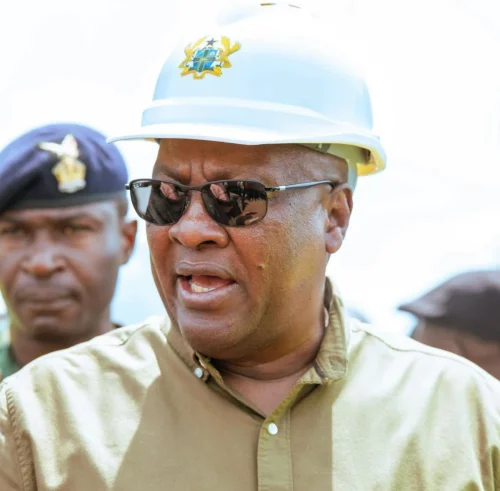
President John Dramani Mahama has assured Ghanaians that recent electricity interruptions are temporary and form part of a deliberate infrastructure upgrade, as he wrapped up a two-day Resetting Ghana tour of the Northern Region on Sunday, April 19, 2026.
During a visit to the Northern Electricity Distribution Company (NEDCo), the President inspected transformers being deployed under a phased nationwide upgrade programme. He said approximately 2,500 transformers have been procured and are being installed in the first phase of the intervention, aimed at replacing old and faulty units to improve the reliability and quality of power delivery.
Addressing public concerns over recent outages, Mahama said the disruptions are a direct result of the ongoing technical works and do not signal a return to prolonged power challenges. He described the programme as part of a broader effort to build a more resilient energy infrastructure across the country.
NEDCo has been running a comprehensive maintenance and enhancement programme across its operational areas, with transformer replacement works already underway in Tamale and surrounding communities, aimed at improving network stability, addressing low voltage, and reducing outages.
Separately, the President used Saturday’s sod-cutting ceremony for a 24-hour economy market in Bimbilla to address what he called deliberate misinformation surrounding tricycles distributed under the Free Primary Healthcare programme.
The Ghana Health Service had earlier issued a press release on April 18, 2026, rejecting viral videos falsely portraying the tricycles as hospital ambulances and describing such claims as “false and misleading.”
Mahama emphasised that the tricycles are not meant to serve as ambulances, explaining that they are designed to support Community Health Planning and Services (CHPS) compounds in delivering outreach services at the community level. He said the vehicles are fitted with compartments to transport vaccines while maintaining the cold chain, and will be used for vaccination campaigns, routine health screenings, and early detection of conditions such as hypertension and diabetes.
The Northern Region tour was the second leg of the Resetting Ghana initiative, following an earlier visit to the Bono Region.
