
Next week, Kenya will have it co-owned Climate Camera (ClimCam) launched to the International Space Station (ISS) aboard a SpaceX Falcon 9 rocket, marking a significant milestone in the continent’s growing space capabilities.
The ClimCam has been developed through a tri-national African collaboration between the Kenya Space Agency (KSA), Egypt’s Space Agency (EgSA), and the Uganda Space Program.
If everything goes as planned, ClimCam will fly as part of Northrop Grumman’s Cygnus NG-24 commercial resupply mission which is set to lift off at 15.51 EAT on Wednesday, April 8, 2026.
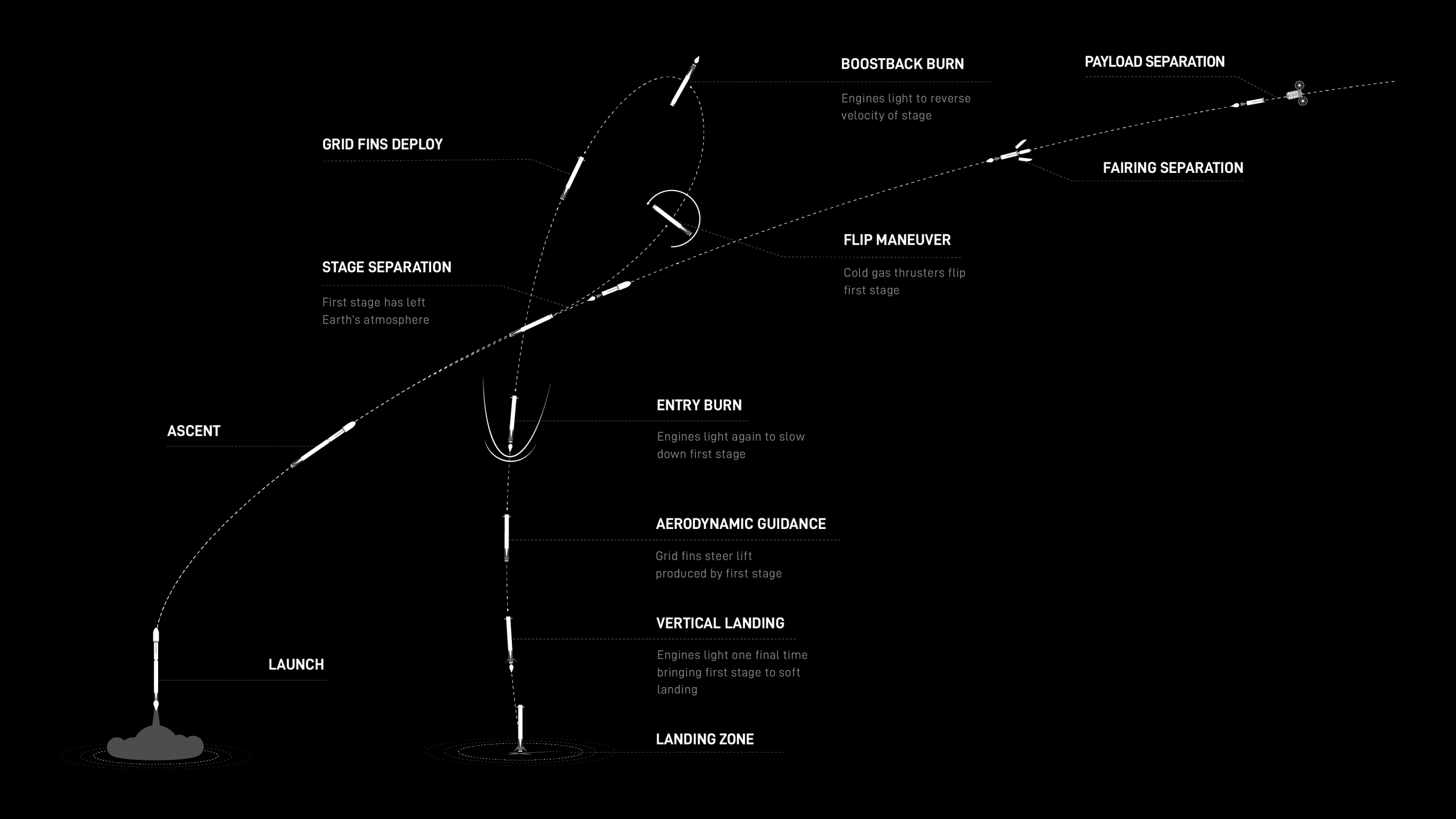
In case, weather or technical issues cause a delay, a backup window has been set for Thursday, April 9. The event will take place at the Space Launch Complex 40 (SLC-40) at Cape Canaveral Space Force Station in Florida.
For enthusiasts, SpaceX streaming live coverage will begin approximately 20 minutes before liftoff on their website and X platform.

.
ClimCam Part of UN Project
The ClimCam project involved assembly, integration, and testing at EgSA facilities in Cairo. Thereafter, the payload underwent end-to-end validation at Airbus facilities in Houston, Texas, to ensure full qualification for space operations.
The consortium of African nations won the opportunity to develop the payload through a competitive submission to the United Nations Office of Outer Space Affairs (UNOOSA) under the Access to Space for All Initiative.
These 3 nations will now make use of the Airbus Bartolomeo external platform on the ISS’s European Columbus Module.
“This project aims at the installation of a compact camera onboard the ISS Bartolomeo Platform; this action is a feasible solution for earth observation missions for African countries especially those countries affected by climate change,” UNOOSA states on its website.
According to a KSA statement, “The ClimCam Payload is designed to deliver Al-Powered, near real-time weather and climate data for strengthening disaster management, natural resources management and climate resilience in the Eastern African region,”
Read: Kenya Sets Up Council to Oversee Space Data Sharing
Data collected will be essential for disaster response, resource management, and climate adaptation. This is critical for a region facing heightened risks from extreme weather and climate shifts.
