
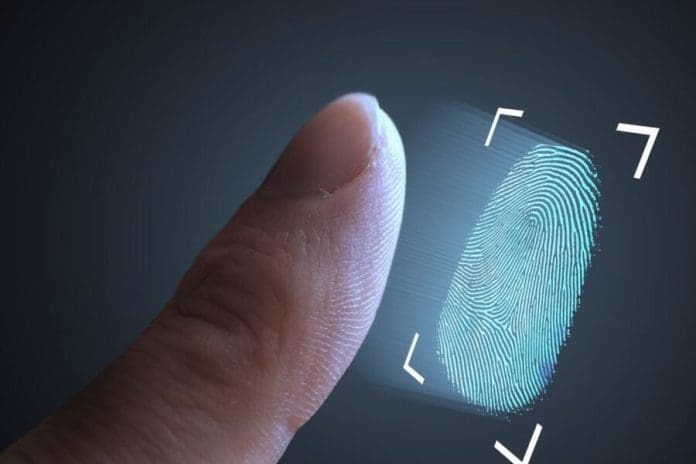

An audit of Ghana’s SIM registration database has produced a finding that regulators describe as alarming: not a single fingerprint collected during the 2021 to 2023 registration exercise matched any record in the National Identification Authority (NIA) database, exposing a fundamental failure at the heart of the country’s subscriber identity system.
National Communications Authority (NCA) Director-General Rev. Ing. Edmund Yirenkyi Fianko disclosed the findings during a stakeholder engagement on March 17, saying that in June 2025 the NCA tested a sample of approximately two million SIM registrations against NIA records. The result was unambiguous: some SIM records could not be verified at all, and on the fingerprint test, there was zero match across the entire sample.
Fianko attributed part of the discrepancy to a technical incompatibility between the two biometric capture methods used. He explained that NIA fingerprints were collected using contact-based scanners, while the SIM registration exercise used contactless capture, creating a mismatch that made cross-verification impossible regardless of whether the underlying registrations were genuine.
Beyond the fingerprint problem, the audit identified a broader range of data quality failures, including SIM records containing incorrect identity information, unverifiable biometric data and systematic inconsistencies between the NCA’s Central SIM Register and the NIA’s national identity database.
The findings validate long-standing concerns that the 2021 to 2023 exercise, despite its scale and cost, created a subscriber database that could not be relied upon for identity verification, law enforcement or fraud prevention. The exercise was conducted under a framework that kept the NCA and NIA operating in separate technical silos, with no real-time cross-checking against the national identity database during registration.
Minister for Communications, Digital Technology and Innovations Samuel Nartey George said the results made automatic migration of existing SIM data into the new system impossible, comparing it to copying infected files onto a clean system. He said the upcoming re-registration exercise would start from scratch with real-time biometric verification, including a liveliness test matched directly and instantly against the NIA database.
For the first time, the NCA and NIA are working jointly to design and implement the system, replacing the arrangement under which the previous exercise was managed primarily by a private sector contractor without adequate integration with the national identity infrastructure.
The new registration exercise will only begin after a revised Legislative Instrument has been laid before and cleared by Parliament, a process that has not yet been completed.

