
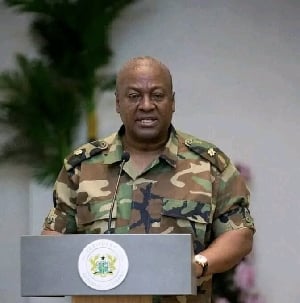
The true mettle of a leader is often forged in the crucible of adversity. History is replete with examples of “wartime generals,” leaders whose abilities to make rapid decisions, adapt to volatile situations, and shine brightest during periods of crisis. They are the figures who, when faced with seemingly insurmountable odds, inspire confidence and guide their people towards a brighter future. In times of stability, steady leadership suffices. But when the storm clouds gather, a different kind of leader is needed – one who possesses the strategic acumen, resilience, and decisive leadership typically associated with military commanders.
Ghana now stands at a precipice. The nation faces a multitude of daunting challenges, each demanding immediate and effective action. The destructive scourge of illegal mining, known locally as “galamsey,” even though being combated on all fronts continues to ravage the environment, polluting water sources, degrading land, and threatening the very fabric of rural communities. This insidious problem undermines the nation’s sustainable development goals and leaves a trail of devastation in its wake.
Furthermore, the ripple effects of the ongoing war between Iran and the United States/Israel are felt even on Ghanaian soil. The global economic uncertainty fueled by this conflict threatens investment, disrupts trade routes, and could potentially lead to higher inflation and economic instability. Ghana, being a part of the global economy, is not immune to these external pressures.
Adding to these woes are the growing agitations of cocoa farmers. A drop in the world price of cocoa has led to a significant reduction in the price offered to these farmers, the backbone of Ghana’s agricultural sector. This price cut threatens their livelihoods, sparking discontent and potentially leading to a decline in cocoa production, a crucial source of export revenue for the nation.
These are not isolated incidents; they are interconnected challenges that demand a holistic and strategic approach. Battles are rarely won without setbacks and losses, but the current climate in Ghana demands a different kind of general – a leader capable of navigating these complex issues with both foresight and courage.
This is what many believe John Dramani Mahama brings to the fore in his second term as president. Many believe that the experience gleaned from his previous tenure, coupled with a renewed commitment to addressing the nation’s pressing issues, will equip him to guide Ghana through these turbulent times. The challenges are stark, and the path forward is fraught with difficulty. But it is in these very moments that true leadership emerges.
The coming months are pregnant with anticipation. Ghanaians are waiting with bated breath to see how this “general” will lead his country to victory in this unique, and equally challenging war. Will he be able to rally the nation, forge a cohesive strategy, and inspire the confidence necessary to overcome these obstacles? Will he possess the political will to make the tough decisions, the strategic vision to chart a new course, and the resilience to weather the inevitable storms? The answers to these questions will determine not only the fate of Mahama’s leadership but also the future of Ghana.
Anthony Obeng Afrane

