
Hamza Sayibu Suhuyini, a member of the National Democratic Congress (NDC) communications team, has squashed claims that Ghana’s gold reserve policy was initiated by the New Patriotic Party (NPP).
He opined that the policy dates back to the era of Ghana’s first president, Osagyefo Dr Kwame Nkrumah, who designed it to strengthen the local currency and stabilize the economy.
Speaking on JoyNews’ AM Show on Thursday, February 26, 2026, Suhuyini explained that the policy, first rolled out in 1961, gave the cedi international recognition and boosted its credibility.
He added that although the program faced challenges and was briefly halted in 1962 due to falling global gold prices, it resumed later in the decade and continued until around 1980.
From then on, Ghana steadily accumulated gold in measured quantities, making reserves a cornerstone of its monetary framework.
Suhuyini argued that attempts to credit Vice President Dr Mahamudu Bawumia or the NPP with the policy’s origin are misleading.
“It is never the brainchild of His Excellency Dr. Mahamudu Bawumia. These are the lies that have been peddled,” he said.
His comments followed remarks by Minority Leader in Parliament, Alexander Afenyo-Markin, who had insisted that former Vice President Bawumia deserves credit for the Gold-for-Reserve policy currently being implemented by the Mahama administration.
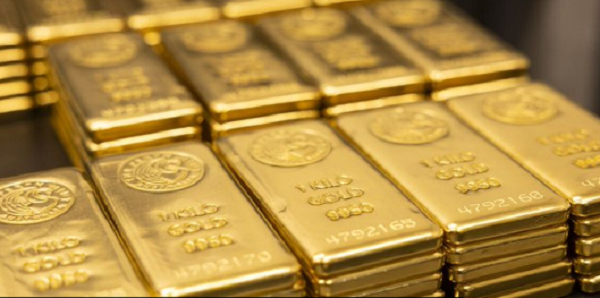
Meanwhile, data from the Bank of Ghana shows that the country’s official gold reserves stood at approximately 8.7 tonnes in 2025.
This represented a significant portion of Ghana’s external buffers alongside foreign currency holdings.
The government has also launched an Accelerated National Reserve Accumulation Policy for 2026–2028, aimed at expanding reserves further by leveraging high global gold prices to build strategic buffers.

