
Every day, OkayAfrica shares a roundup of news we’re following but haven’t published as full articles. These short updates cover what’s happening on the continent — in culture, politics, and beyond. For more on stories like these, be sure to check out our News page, with stories from across the regions.
Reuters: Ethiopia Hosts Secret Camp to Train Sudan’s RSF Fighters
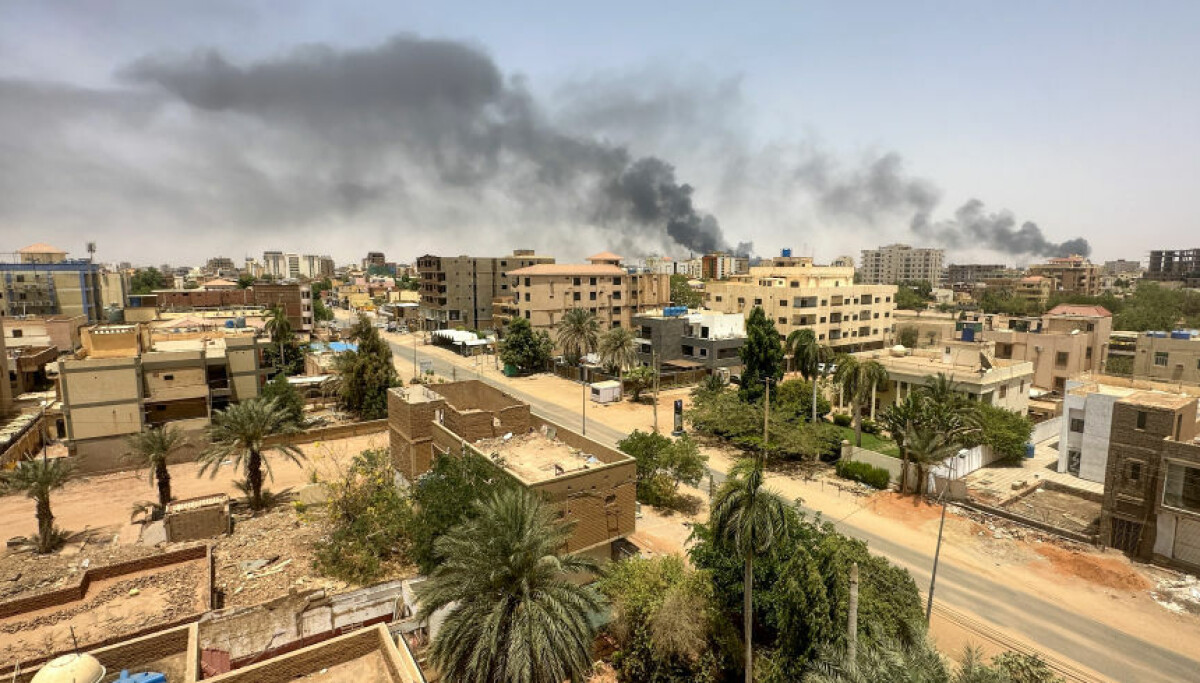
Ethiopia is allegedly hosting a secret military training camp for thousands of fighters linked to Sudan’s Rapid Support Forces, according to a Reuters investigation that cites Ethiopian officials, diplomats, internal security documents, and satellite imagery. The camp, located in Ethiopia’s western Benishangul-Gumuz region near the Sudan border, marks the first direct evidence of Ethiopia’s involvement in Sudan’s war, which began in 2023 and has displaced millions. Sources tell Reuters that the site began operations in October and was already training about 4,300 RSF fighters by early January.
Eight sources say the United Arab Emirates financed the camp’s construction and provided trainers and logistics, claims echoed in an Ethiopian security memo and a diplomatic cable reviewed by Reuters. The UAE denies involvement, saying it is not a party to the conflict. Sudan’s army has long accused Abu Dhabi of backing the RSF, allegations previously deemed credible by United Nations experts and U.S. lawmakers. Ethiopia’s government, military, and the RSF did not respond to detailed questions about the camp.
Satellite images show extensive new construction, including hundreds of tents, heavy trucks, and continued expansion into January, suggesting capacity for several thousand recruits. Sources say most trainees are Ethiopians, alongside fighters from Sudan and South Sudan, and that some have already crossed into Sudan’s Blue Nile region to fight. Separate imagery also shows upgrades at Asosa airport, including drone-related infrastructure, raising concerns among diplomats and analysts about the conflict spreading closer to the Grand Ethiopian Renaissance Dam and further destabilizing the region.
Kenyan Government Pushes for an End to Russian Military Illegal Recruitment
Kenya’s foreign minister, Musalia Mudavadi, has slammed the recruitment of Kenyan nationals into the Russian military as “unacceptable and clandestine.” The minister said the Kenyan government had shut down several illegal recruiters and is looking to urge the Russian government to sign a deal banning the conscription of Kenyans. Last year, families of Kenyans fighting for Russia in its ongoing invasion of Ukraine shared that they were being turned away at the Russian embassy when they went to seek information on their relatives in the war zones. Also, the bodies of those killed in the war haven’t been repatriated. Many of those recruited were lured in under the guise of working lucrative security jobs, but were then conscripted to serve in the war.
“Kenya and Russia have had long relations since independence, literally. So this, in my view, becomes a very unfortunate episode of otherwise very positive and cordial relations between our two countries,” Mudavadi told the BBC. He added that the Kenyan government will discuss visa policy and bilateral labor agreements that exclude military conscription, while also saying that the 27 people who have been repatriated from Russia are receiving appropriate physical and mental healthcare.
Ukrainian intelligence estimates that about 1,400 Africans from about 36 countries are fighting on the Russian side in the war. Last year, Duduzile Zuma-Sambudla resigned from South Africa’s parliament following allegations that she played a role in luring at least 17 South African men to join the Russian army. South African President Cyril Ramaphosa has voiced support for efforts to end the war in Ukraine during a phone call with Russian President Vladimir Putin, his office said today, Tuesday, February 10. According to the presidency, Ramaphosa and Putin agreed to support a process to help return South Africans who joined Russian forces in Ukraine.
DR Congo Faces Legal Challenge Over Minerals-for-Security Deal With US
A minerals-for-security agreement between the United States and the Democratic Republic of Congo is facing a constitutional challenge in Kinshasa, with lawyers and rights groups arguing the deal was signed without parliamentary approval. The agreement, which gives Washington preferential access to critical Congolese minerals like cobalt and coltan, was praised last week by U.S. President Donald Trump during a Washington visit by DRC President Félix Tshisekedi. Critics say the deal, signed in December as part of the Washington Accords linked to a U.S.-brokered peace agreement with Rwanda, may even require a referendum under Congo’s constitution.
The U.S. says the partnership will help stabilize eastern DRC and reduce reliance on China for key minerals, but it has sparked debate at home over sovereignty, oversight, and who benefits. Petitioners argue the agreement could limit Congo’s control over fiscal and trade policy, including future decisions on mineral exports, by requiring consultations with a joint U.S.-DRC steering committee. Civil society groups also warn that local communities were excluded from talks and that safeguards on labor, human rights, and the environment remain unclear as Washington ramps up investments in the DRC’s mining sector and export infrastructure. At the same time, Angola and African Union leaders have renewed calls for a ceasefire in eastern DRC after fresh M23 attacks, backing U.S. and Qatar-brokered peace efforts and warning that continued fighting threatens regional stability.
Student Killed as Financial Aid Protests Turn Deadly at Senegal’s Top University
A student has died during protests over unpaid financial aid at Cheikh Anta Diop University in Dakar, after weeks of unrest escalated into clashes with security forces, the government said. Abdoulaye Ba, a second-year dental surgery student, suffered fatal head injuries amid what officials described as “serious events” on campus, though the exact circumstances are still under investigation. Student leaders say Ba was not protesting and accuse police of assaulting him during raids on student rooms, claims police have not commented on. Rights groups, including Amnesty International Senegal, condemned what they called disproportionate use of force. The unrest reflects mounting frustration over delayed stipends and Senegal’s strained public finances, as the government of Bassirou Diomaye Faye grapples with a major budget shortfall. The university announced it would close until further notice.
Gunfire Near Conakry Prison Triggers Panic in Guinea’s Capital
Sustained gunshots were heard near the central prison in Guinea’s capital, Conakry, today, Tuesday, February 10, sparking panic in nearby neighborhoods, according to Reuters witnesses. It was not immediately clear who was responsible or what prompted the shooting, and authorities had not commented. Witnesses reported seeing military pickup trucks with armed security forces and a machinegun-mounted armored vehicle deployed around the central administrative district. The incident comes weeks after Guinea’s December 28 election, in which Mamady Doumbouya won a landslide, following his rise to power in a 2021 military coup.
Burkina Faso’s Parliament Approves Ban of All Political Parties
Burkina Faso’s transitional parliament has approved a bill banning all political parties, a move that critics say strengthens the grip of the military junta led by Ibrahim Traore. The law repeals rules governing political parties, campaign financing, and the status of the opposition, and was passed without opposition from lawmakers. Party activities have been suspended since the army seized power in 2022. The decision comes despite a warning last week from the United Nations rights chief, who urged Burkina Faso to halt repression of civic space and reverse the ban. Authorities have defended the move as a political “reset,” arguing that parties have fueled division, even as recent laws and decrees tighten controls on associations and NGOs.
Tanzania Court Adjourns Treason Case Against Opposition Leader Tundu Lissu Again
Tundu Lissu appeared in court for the first time in months yesterday, Monday, February 10, but his treason case was adjourned again after he objected to prosecutors using secret witnesses in an enclosed cell, arguing it risks an unfair trial in a case that carries the death penalty. Lissu has been held for 10 months following his arrest after an opposition rally calling for constitutional and electoral reforms ahead of Tanzania’s disputed October 2025 election. Judges said they would rule on his objection tomorrow, Wednesday, February 11. His detention comes amid ongoing fallout from post-election protests that saw internet shutdowns, mass arrests, and hundreds killed, violence that President Samia Suluhu blamed on foreigners. Lissu’s party, Chadema, which boycotted the election, is demanding his unconditional release, rejecting claims that authorities offered freedom if he left the country. A longtime critic of the ruling Chama Cha Mapinduzi, Lissu has represented himself, citing restrictions on private meetings with lawyers, and continues to protest delays in a case still unresolved nearly a year after his arrest.
Madagascar Junta Slams Eswatini Over Hosting Ousted President Rajoelina
Madagascar’s military authorities have condemned Eswatini for hosting deposed leader Andry Rajoelina, calling the visit a “grave infringement” of the country’s sovereignty. The criticism followed photos released last week showing King Mswati III meeting Rajoelina, during which the king urged a return to constitutional order in Madagascar. In a statement, junta leader Michael Randrianirina says the meeting is politically unacceptable and warns Rajoelina no longer has legal standing after renouncing Malagasy nationality. Rajoelina was ousted last October after weeks of youth-led protests over power and water shortages, with the army siding with demonstrators. Eswatini says the meeting was part of regional mediation and not interference, adding that consultations were held with the Southern African Development Community. Madagascar’s military has pledged elections within two years and faces a SADC deadline to submit a roadmap for restoring democracy by February 28.
U.S. Senator Warns Uganda of Sanctions After Army Chief’s Tweets Spark Diplomatic Row
A sharp exchange on X between U.S. Senator Jim Risch, chair of the Senate Foreign Relations Committee, and Uganda’s army chief Muhoozi Kainerugaba has intensified tensions between Washington and Kampala following Uganda’s disputed presidential election. Risch warned that Muhoozi had “crossed a red line,” saying the U.S. must reassess security cooperation, including possible sanctions, after Muhoozi accused the U.S. Embassy of helping opposition leader Bobi Wine evade arrest. Muhoozi later deleted the posts and apologized, saying he had been misinformed, but pushed back at Risch in a follow-up message. The episode highlights growing strain in U.S.-Uganda relations as Muhoozi’s inflammatory social media posts, threats against opposition figures, and past calls to suspend ties with Western diplomats raise concerns in Washington, where lawmakers oversee U.S. military aid and training for the Uganda Peoples Defense Forces and have previously imposed sanctions on senior Ugandan officials.
Nigeria’s Senate Backs Real-Time Upload of Election Results After Public Pressure
Nigeria’s Senate has reversed its earlier decision and approved a proposal requiring the real-time electronic transmission of election results, following pressure from labor unions, civil society groups, lawyers, and opposition figures. Lawmakers had voted against the measure last week, arguing that insecurity and weak internet access made it impractical, but the move triggered protests outside parliament and sharp criticism from groups warning it would fuel electoral fraud. Reform advocates, including the Nigeria Labour Congress and the Nigerian Bar Association, said the reversal is critical to improving transparency in a system long plagued by vote-buying, violence, and disputed manual collation. The change comes ahead of Nigeria’s February 2027 general election, when President Bola Tinubu is expected to seek a second and final term.
Egypt Approves Limited Cabinet Reshuffle, Revives Information Ministry
Egypt’s parliament has approved a modest cabinet reshuffle that brings new faces into key economic and media roles while leaving major portfolios unchanged. Mohamed Farid Saleh, the former head of the Financial Regulatory Authority, was appointed minister of investment and foreign trade, and Ahmed Rostom, a senior World Bank financial sector specialist, was named minister of planning. The reshuffle also revives the Ministry of Information, which has undergone several dissolutions since the 2011 uprising. State Information Service chief Diaa Rashwan is set to lead the newly-revived ministry. Ministers overseeing finance, foreign affairs, petroleum, supply, defense, and interior will remain in their posts.

