


BY EBENEZER OPOKU
In the earliest days of computing when machines filled rooms, guzzled power and lived mostly inside government basements “security” was largely physical, locks on doors, keys to cabinets and strict access controls. Data moved slowly, networks were tiny or non-existent, and the attack surface was limited, the biggest risk was often someone walking off with a tape or flipping the wrong switch.
As networking emerged in the 1960s–70s, the threat model changed. The ARPANET era introduced the first remote connections and the first remote risks pushing the field toward logical controls like authentication, access management and early encryption.
By the 1980s and 1990s, the rise of personal computers, modems and then the public internet exploded the attack surface as viruses, worms and remote intrusions turned cybersecurity from a niche concern into a core discipline for businesses and governments.
Today, computers are everywhere phones, watches, cars, factories and so are the threats. Ransomware, supply‑chain attacks, cloud misconfigurations and AI‑powered phishing mean security can’t rely on perimeter walls alone; it has to be built into software, processes and people.
Modern cybersecurity therefore spans networks, servers, endpoints and identities, using layered defences like zero‑trust architectures, strong encryption, multi‑factor authentication, continuous monitoring and incident response.
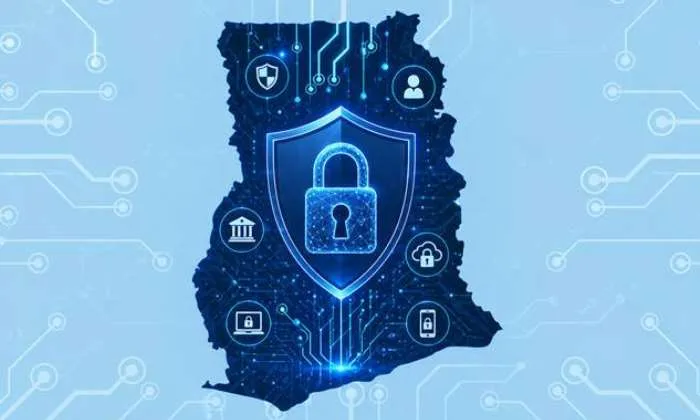
Ghana’s trajectory mirrors this shift. As digital services expanded across government and industry, the need for formal cyber defences grew, culminating in the Cybersecurity Act, 2020 (Act 1038) and the creation of institutional structures such as the Cybersecurity Authority and a national Computer Emergency Response Team (CERT).
These steps aim to protect critical information infrastructure, improve incident reporting, and raise standards for data integrity, confidentiality and accountability across public and private sectors.
Looking ahead, cybersecurity will keep evolving because the tools do. As AI, quantum computing and hyper‑connected IoT reshape what’s possible, defenders will lean more on automation, behaviour analytics and resilient design while attackers find new shortcuts. The lesson from the “brass key” era still holds: security is not a product but a practice, and it must grow as fast as the systems it protects.
More Stories Here
