Close Menu
  • Home
  • Latest News
  • Top stories
  • Local News
  • Politics
  • Business
  • Entertainment
  • More
    • Sports
    • Nollywood
    • Tech
    • Editorial
    • Health
    • World
    • Lifestyle
  • Africa
    • Kenya
    • Nigeria
    • South Africa
Sports

GHALCA finds replacement amid Hearts of Oak’s withdrawal from the top 4

August 11, 2026

Black Queens’ WAFCON Exit ‘Worst Feeling’ In 20 Years – Björkegren

August 11, 2026

Ben Nunoo Mensah calls for strategic plan to revive Ghana Sports

August 11, 2026
Facebook X (Twitter) Instagram
Ghanamma.comGhanamma.com
  • Home
  • Latest News

    MTN sees first-half profit jump on Nigeria, Ghana mobile gains

    August 11, 2026

    WHO donates laptops to strengthen Ghana’s health surveillance systems | WHO

    August 11, 2026

    Ghana, EU begin three-year Sankofa II Project to protect forts and grow creative sector

    August 11, 2026

    Telecel Ghana launches biodegradable Sim

    August 11, 2026

    DA narrows national gap with ANC to 7 points in latest public poll

    August 11, 2026
  • Top stories
  • Local News
  • Politics
  • Business
  • Entertainment
  • More
    • Sports
    • Nollywood
    • Tech
    • Editorial
    • Health
    • World
    • Lifestyle
  • Africa
    • Kenya
    • Nigeria
    • South Africa
Facebook X (Twitter) Instagram Pinterest Vimeo
Subscribe
Ghanamma.comGhanamma.com
Home»Kenya»MWITI: Has Kenya fully devolved the Energy sector?
Kenya

MWITI: Has Kenya fully devolved the Energy sector?

Ghana NewsBy Ghana NewsAugust 11, 2026No Comments3 Mins Read
Facebook Twitter Pinterest LinkedIn Tumblr Email
Share
Facebook Twitter LinkedIn Pinterest Email Copy Link


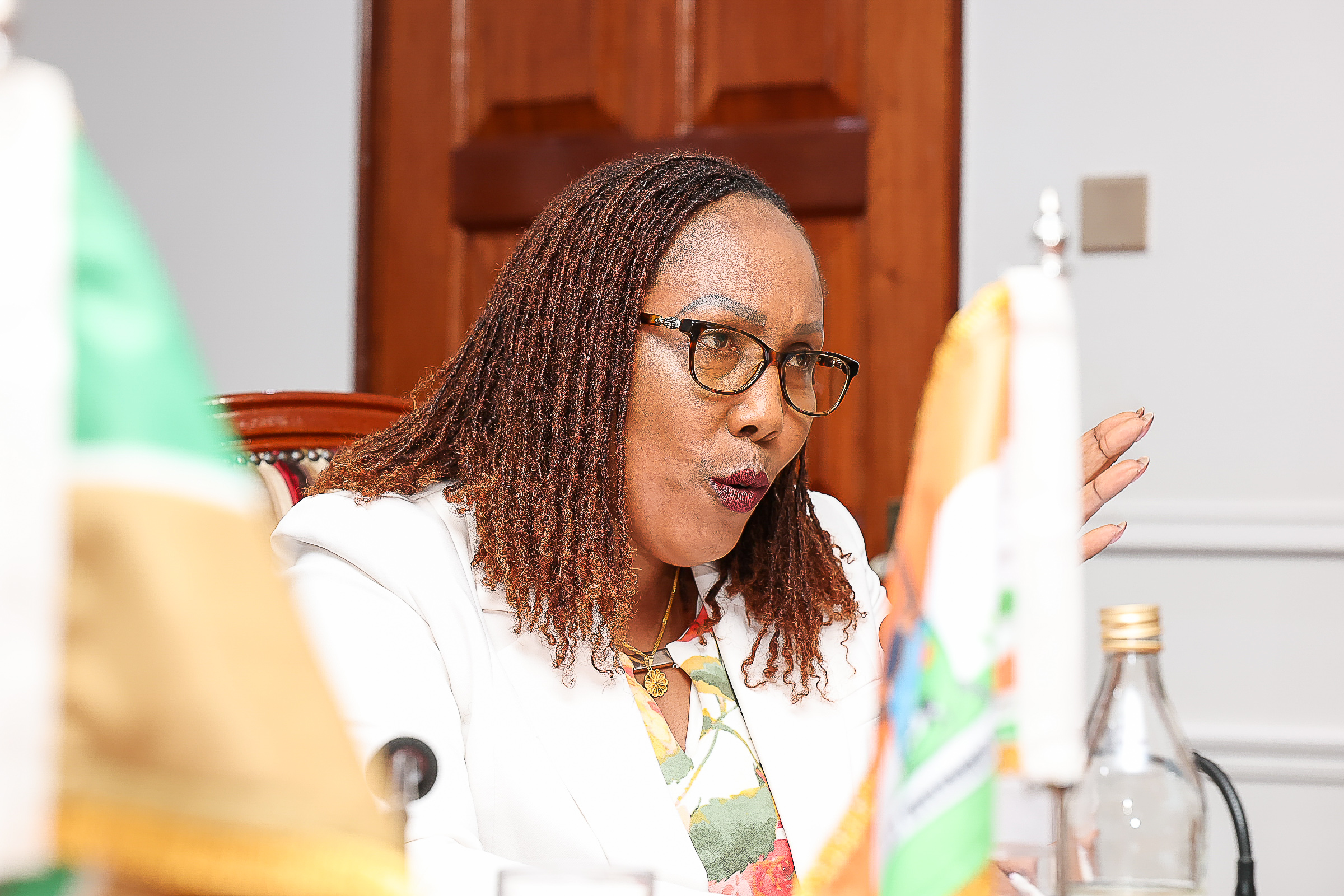
Council of Governors Chief Executive Officer Mary Mwiti /HANDOUT

More
than a decade after the advent of devolution, Kenya’s energy sector remains devolved
in law but predominantly centralized in practice. Constitutionally, County
Governments are mandated to undertake planning, electricity and gas
reticulation, and energy regulation.

Yet the financing, regulatory authority,
technical capacity and investment decisions needed to deliver these responsibilities
are controlled by National Entities. This raises a fundamental question: has
Kenya really devolved the energy sector, or has it merely transferred
responsibilities without the corresponding resources and power to act?

The
answer, unfortunately, is that key energy sector functions have not been
devolved  to the County Governments. Although
the Energy Act of 2019 assigns Counties responsibilities in electrification,
energy planning and regulation, it largely preserves the sector’s centralized structure
and fails to provide resources to discharge those functions.

For instance, Counties
are expected to undertake county electrification, but the Act does not provide for a revenue-sharing mechanism within the
Rural Electrification Program Levy Fund.

Similarly,
while not exceeding one-half of one per cent on sales of electricity and
petroleum products is allocated to support the National Energy Regulator, no
corresponding funding is provided to Counties despite their Constitutional
regulatory mandate.

The disconnect between functions and financing has made
County energy responsibilities difficult to implement. This has directly
impacted local communities’ access to energy particularly in marginalized areas
where many lack connection to grid or have unreliable off grid systems that are
centrally managed.

Further,
the problem is compounded by the failure to distinguish National and County electricity
reticulation responsibilities. For instance, the Act assigns this function
concurrently to both levels of Government without defining where National
distribution should end and County reticulation should begin.

In practice,
National Entities continue to dominate the entire distribution chain, leaving
County Governments with little influence over network expansion, investment
priorities or local service delivery. Reforms to open the electricity
distribution to multiple players have been proposed but they have not been
implemented and still inadequately recognize the County role.

Even the existing
energy centres, which should support Counties in promoting renewable energy,
public awareness and community training, remain under National control.

These
institutional and financing gaps demonstrate that the central challenge is not
the absence of County mandates, but the failure to operationalize and demarcate
them. This necessitates establishment of a cooperative framework that gives
practical effect to the Constitutional assignment of functions.

The National
Government should retain the responsibility for policy development, electricity
generation, transmission, standards and regulation, while Counties should be
empowered and adequately financed to undertake local reticulation, develop
energy plans, enforce national regulations, promote decentralized energy
systems and support energy services aligned with local and national development
needs.

Ultimately,
Kenya will only have a fully devolved energy sector when authority, resources
and accountability move together. Without this, even the current push for
County Governments to develop County Energy Plans becomes a bureaucratic
exercise undertaken to satisfy statutory requirements rather than be an effective
tool for shaping national investments, expanding energy access and improving
the quality of energy services.

Written by Mary Mwiti, EBS – Chief Executive Officer,
Council of Governors.

Share. Facebook Twitter Pinterest LinkedIn Tumblr Email
Ghana News
  • Website

Related Posts

News Comments United legend gives some transfer advice – Mozzart Sport Kenya

August 11, 2026

SITATI: Sifuna and the battle to redefine Kenya’s leadership

August 11, 2026

Court ‘suspends’ Kenya Railways MD Mainga from office

August 11, 2026
Leave A Reply Cancel Reply

You must be logged in to post a comment.

Top Posts

Nigeria and Ghana Explore Joint Digital Innovation and Technology Initiatives

August 10, 20262 Views

Nigeria and Ghana Forge Strategic Partnerships in Digital Innovation and Technology for Industrial Growth

August 9, 20268 Views

Nigeria and Ghana Forge Strategic Partnerships in Digital Innovation and Technology for Economic Transformation

August 7, 202610 Views

Strengthening Volta Region’s Digital Ecosystem: CEO of Ghana Digital Center Advocates for Robust Systems to Boost Innovation

August 6, 20266 Views

Nigeria and Ghana Forge Strategic Partnerships in Digital Innovation and Technology for Economic Growth

August 5, 202618 Views
About Us
About Us

Ghanamma is an independent digital news platform delivering timely updates and reliable information across politics, business, technology, health, entertainment, sports, and world affairs, helping readers stay informed through trustworthy journalism and meaningful insights.

Facebook X (Twitter) Pinterest YouTube WhatsApp
World News

South Sudan’s leader sacks aides after dead man appointed

February 4, 2026

South African white separatists claim land acquired from Zulu king then lost to British

February 2, 2026

Muhoozi’s outbursts expose Uganda’s unease with funding Somalia war

February 2, 2026
Top stories

University of Ghana Attributes Fee Increases to Student Leadership Charges

January 2, 20262 Views

Sam Jonah, 3 Others Cleared Of Criminal Charges In River Park Estate Dispute In Nigeria

January 2, 20261 Views

GCNH donates health logistics to Ho Municipal Health Directorate  

January 2, 20260 Views
  • About Us
  • Contact Us
  • Cookies Policy
  • Privacy Policy
  • Terms & Conditions
  • Disclaimer
© 2026 Ghanamma. Designed by Ghanamma.

Type above and press Enter to search. Press Esc to cancel.