


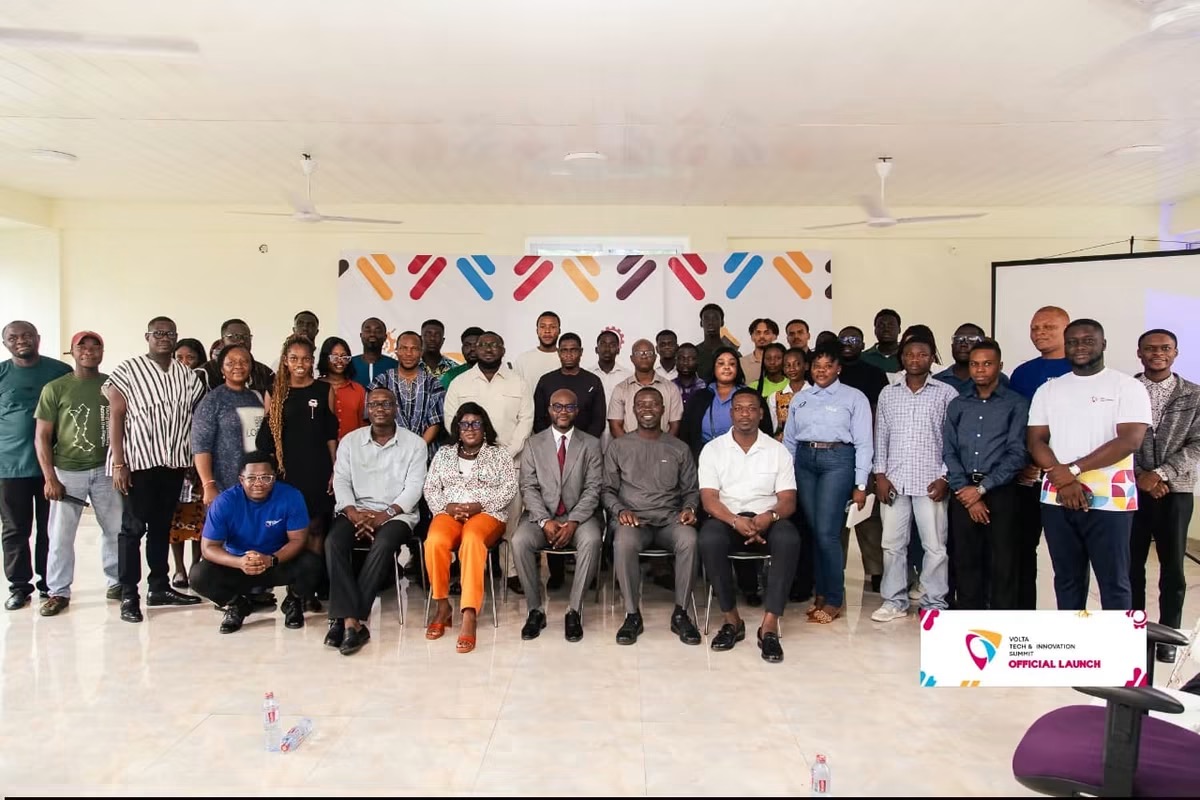
The Volta Region, known for its rich cultural heritage and strategic geographical location, is increasingly positioning itself as a hub for innovation and technological advancement in Ghana. However, to fully harness its potential, the region requires stronger institutional frameworks, infrastructure, and supportive policies to foster a thriving digital ecosystem. This call to action was recently emphasized by the CEO of the Ghana Digital Center (GDC), who underscored the need for systemic improvements to drive meaningful innovation and economic growth in the area.
The Current State of Innovation in Volta Region
Volta Region, with its vibrant communities and emerging tech-savvy youth, holds significant untapped potential in the digital space. Cities like Ho, Kpetoe, and Akatsi are gradually becoming focal points for startups, tech entrepreneurs, and digital service providers. Yet, despite these promising developments, the region faces challenges such as limited access to high-speed internet, inadequate digital literacy programs, and a lack of structured incubation and acceleration support for emerging tech ventures.
The Ghana Digital Center, a government-backed initiative aimed at promoting digital transformation and entrepreneurship across the country, has been actively engaging with regional stakeholders to bridge these gaps. However, the CEO’s recent remarks highlight that more than just individual efforts are needed—systemic reforms are essential to create an environment where innovation can flourish sustainably.
Key Areas Requiring Systemic Reinforcement
To accelerate innovation in Volta Region, the CEO of the Ghana Digital Center identified several critical areas that demand immediate attention and strategic intervention:
1. Digital Infrastructure and Connectivity
One of the most pressing challenges in Volta Region is reliable and high-speed internet connectivity. Unlike urban centers like Accra and Kumasi, many parts of the region still grapple with slow speeds, frequent disruptions, and limited coverage, particularly in rural areas. The CEO emphasized that expanding fiber-optic networks, improving mobile network infrastructure, and ensuring affordable data access are non-negotiable for supporting digital businesses and startups.
Additionally, last-mile connectivity solutions, such as community Wi-Fi hubs and public digital kiosks, could democratize access to information and digital services, empowering entrepreneurs and small businesses to operate efficiently.
2. Strengthening Digital Literacy and Skills Development
Innovation thrives on a skilled workforce, yet Volta Region’s digital literacy rates remain below national averages. Many young people, while eager to engage in tech-related ventures, lack the technical skills, coding knowledge, and digital business acumen required to succeed in the modern economy.
The Ghana Digital Center CEO proposed expanded vocational training programs, partnerships with tech universities, and community-based digital literacy initiatives to equip residents with the necessary competencies. Collaborations with local schools, vocational training centers, and private sector players could help design tailored curricula that align with industry demands.
3. Establishing Robust Incubation and Acceleration Programs
Startups and tech entrepreneurs often struggle with funding constraints, mentorship gaps, and limited access to markets. To address this, the CEO advocated for the establishment of dedicated incubation and acceleration centers in Volta Region, modeled after successful programs in other parts of Ghana and Africa.
These centers could provide seed funding, business mentorship, office space, and networking opportunities to emerging tech firms. Additionally, government grants, tax incentives for tech startups, and public-private partnerships could further stimulate entrepreneurship in the region.
4. Policy and Regulatory Support for Digital Growth
For innovation to scale, clear and supportive policies are essential. The CEO highlighted the need for streamlined business registration processes, simplified tax structures for digital businesses, and favorable regulations for fintech and e-commerce operations.
Furthermore, collaboration between the Volta Regional Coordinating Council, the Ministry of Communication and Digital Affairs, and private sector stakeholders is crucial to crafting policies that reduce bureaucratic hurdles and encourage investment in digital infrastructure and innovation hubs.
5. Fostering a Culture of Innovation and Collaboration
Innovation does not occur in isolation—it requires a collaborative ecosystem where ideas are shared, challenges are tackled collectively, and successes are celebrated. The CEO called for more tech meetups, hackathons, and innovation challenges in Volta Region to inspire creativity and foster cross-sectoral partnerships.
Local governments, private companies, and civil society organizations must actively participate in these initiatives, ensuring that innovation is not confined to a few but widespread across communities.
The Role of the Ghana Digital Center in Driving Change
As a key player in Ghana’s digital transformation agenda, the Ghana Digital Center is already taking steps to support Volta Region’s growth. Initiatives such as:
– Digital Business Training Programs for entrepreneurs
– Startup Pitch Competitions to identify and fund promising ventures
– Partnerships with local universities to integrate tech education into curricula
– Digital Inclusion Campaigns to bridge the digital divide
These efforts, however, must be scaled up and reinforced with systemic support to create lasting impact.
A Call to Action for Stakeholders
The CEO’s advocacy underscores that innovation in Volta Region is not just about building apps or launching startups—it’s about creating an environment where digital entrepreneurship can thrive. This requires collective action from:
– Government agencies (providing policies, funding, and infrastructure)
– Private sector entities (investing in tech hubs, offering mentorship, and creating job opportunities)
– Educational institutions (developing relevant skill sets and fostering innovation culture)
– Community leaders (promoting digital inclusion and supporting local innovators)
The Future of Volta Region’s Digital Economy
With the right systemic investments and strategic partnerships, Volta Region can emerge as a leading digital innovation hub in Ghana. The CEO’s vision aligns with broader national goals of digitalizing the economy, reducing unemployment, and positioning Ghana as a regional tech leader.
By addressing infrastructure gaps, skills shortages, policy barriers, and cultural resistance to change, the region can unlock its full potential, turning Ho and other urban centers into beacons of technological progress in West Africa.
Conclusion
The call for stronger systems to drive innovation in Volta Region is not just a suggestion—it is a necessity for sustainable growth. While individual efforts and grassroots initiatives have laid the foundation, systemic reforms, policy support, and collaborative partnerships are essential to ensure that innovation becomes a self-sustaining engine for economic development.
As the Ghana Digital Center continues its advocacy, the success of Volta Region’s digital future will depend on whether stakeholders rise to the challenge and commit to building an ecosystem where creativity, technology, and opportunity converge. The time to act is now—before Volta Region’s potential remains untapped.
