


In a significant move to accelerate technological advancement and economic diversification, Nigeria and Ghana are collaborating on groundbreaking digital innovation and technology initiatives. These efforts align with both nations’ broader agendas to foster self-sufficiency, industrial growth, and sustainable development through science, engineering, and digital transformation.
Nigeria’s Renewed Hope Agenda: Driving Industrialisation Through Technology
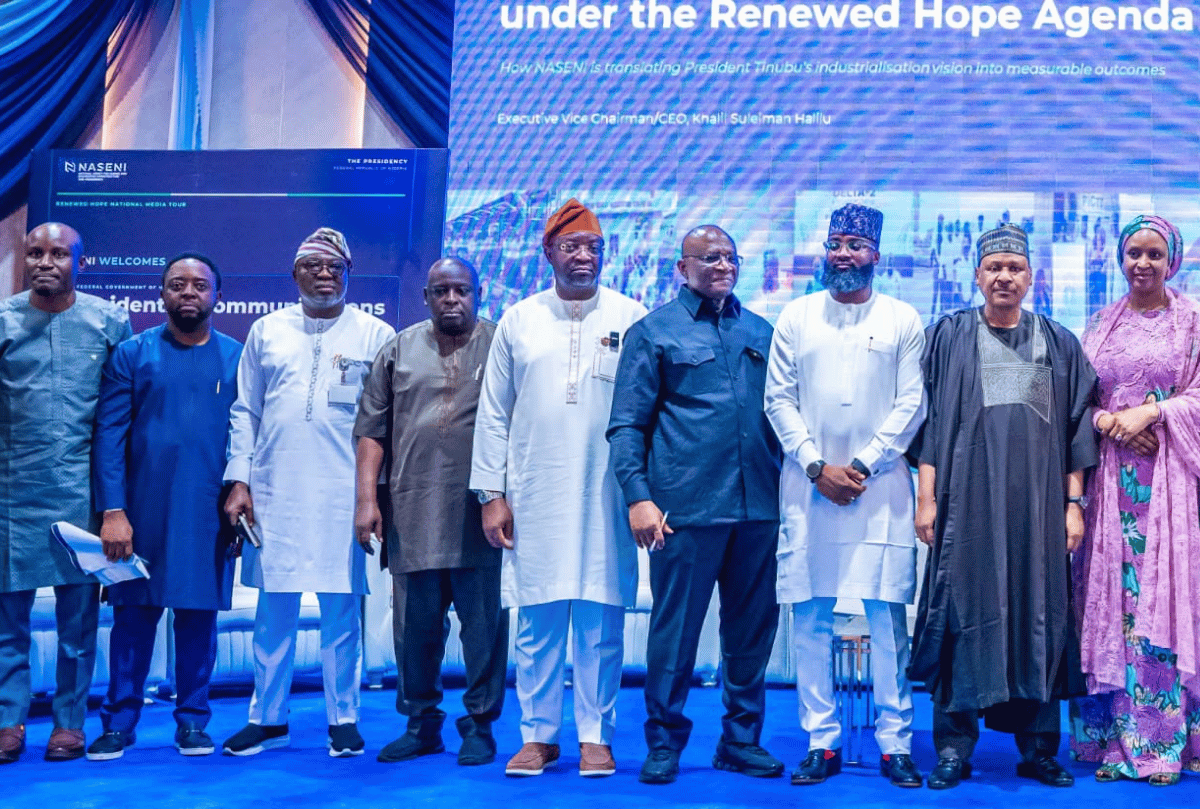
Nigeria’s Minister of Information and National Orientation, Mohammed Idris, recently highlighted how President Bola Ahmed Tinubu’s Renewed Hope Agenda is translating policy into actionable projects, job creation, and innovation. During a Presidential Media Team Tour of the National Agency for Science and Engineering Infrastructure (NASENI) in Abuja, Idris emphasized that the government is prioritizing transparency and accountability by allowing citizens to witness firsthand the progress of national initiatives.
NASENI, a cornerstone of Nigeria’s industrial transformation, plays a pivotal role in local manufacturing, renewable energy, agricultural mechanization, digital technology, and skills development. The agency’s interventions are designed to position Nigeria as a self-reliant, innovation-driven economy capable of producing high-value goods, reducing import dependency, and fostering global competitiveness.
“We want Nigerians to see how government policies are turning into real projects, jobs, and opportunities. Transparency grows when institutions engage the public, and accountability strengthens when citizens can verify progress. Our goal is clear: to shift Nigeria from being a consumer nation to a producer, innovator, and exporter.”
— Mohammed Idris, Honourable Minister of Information and National Orientation, Nigeria
The Renewed Hope Agenda places industrialization, technology adoption, and youth empowerment at its core, creating an ecosystem that attracts investment, supports entrepreneurship, and ensures sustainable employment. NASENI’s leadership has been commended for promoting indigenous technological solutions, which enhance Nigeria’s productive capacity and minimize reliance on foreign imports.
NASENI’s Industrialisation Strategy: Factories, Research, and Global Competitiveness
Under the leadership of Khalil Suleiman Halilu, Executive Vice Chairman and CEO of NASENI, the agency is executing a practical industrialization strategy that integrates local manufacturing, technology transfer, healthcare innovation, and research commercialization. NASENI’s projects now span eight key industrial sectors across Nigeria’s six geopolitical zones and the Federal Capital Territory (FCT), ensuring nationwide impact.
One of the agency’s most notable achievements is the establishment of over 20 factories in a short period, designed to produce goods tailored to Nigeria’s domestic market. The approach follows a gradual increase in local content, with the ultimate goal of creating globally competitive manufacturing hubs.
“Our strategy is to design products for the Nigerian market, assemble them locally, and gradually build factories that can compete internationally. This is how we are fostering sustainable industries and reducing dependency on imports.”
— Khalil Suleiman Halilu, Executive Vice Chairman, NASENI
Ghana’s Digital Transformation: A Parallel Approach
While Nigeria advances through NASENI, Ghana is also making strides in digital innovation and technology integration. The West African nation has been investing heavily in digital infrastructure, fintech, and AI-driven solutions to boost economic productivity. Key initiatives include:
- Digital Government Services: Ghana’s e-Transformation Roadmap aims to digitize public services, improving efficiency and accessibility for citizens.
- Fintech and Mobile Banking: With a high mobile penetration rate, Ghana has become a leader in mobile money and digital payments, facilitating financial inclusion.
- AI and Data Analytics: The government is leveraging artificial intelligence to optimize agriculture, healthcare, and urban planning.
- Skills Development: Partnerships with tech hubs and universities are expanding coding bootcamps, cybersecurity training, and STEM education to build a skilled workforce.
Joint Digital Innovation: A Collaborative Future
The potential for Nigeria-Ghana digital collaboration is vast, particularly in areas such as:
– Cross-Border E-Commerce: Streamlining trade through blockchain-based supply chain solutions and digital payment systems.
– Renewable Energy Tech: Sharing expertise in solar energy, smart grids, and green manufacturing to reduce carbon footprints.
– Healthcare Innovation: Developing AI-driven diagnostics, telemedicine platforms, and pharmaceutical manufacturing to improve healthcare access.
– Youth Empowerment: Joint tech incubators and startup accelerators to nurture African innovation ecosystems.
Both nations share a common vision of economic resilience, technological sovereignty, and regional leadership in Africa’s digital revolution. By combining Nigeria’s industrialization drive with Ghana’s digital-first approach, the partnership could set a benchmark for pan-African technological cooperation.
Key Stakeholders and Future Directions
The recent Presidential Media Tour in Nigeria was attended by senior officials, including:
– Bayo Onanuga (Special Adviser to the President on Information and Strategy)
– Sunday Dare (Special Adviser on Media and Public Communications)
– Hadiza Bala Usman (Special Adviser on Policy Coordination)
– Temitope Ajayi (Senior Special Assistant to the President on Media and Publicity)
These leaders underscored the importance of public-private partnerships in sustaining technological progress. Moving forward, both Nigeria and Ghana must:
✔ Strengthen regulatory frameworks for digital innovation.
✔ Invest in R&D collaborations between universities and industries.
✔ Expand digital literacy programs to bridge the skills gap.
✔ Leverage regional trade blocs (like ECOWAS) to enhance cross-border tech integration.
Conclusion: A Blueprint for Africa’s Digital Future
The Nigeria-Ghana digital innovation partnership represents more than just bilateral cooperation—it embodies a regional blueprint for Africa’s technological independence. By aligning industrialization with digital transformation, both nations are not only boosting their economies but also positioning Africa as a key player in the global tech landscape.
As Nigeria’s NASENI and Ghana’s digital government initiatives continue to evolve, the potential for shared innovation, job creation, and sustainable growth grows exponentially. The next decade could see Africa leading in tech-driven development, with Nigeria and Ghana at the forefront.
