


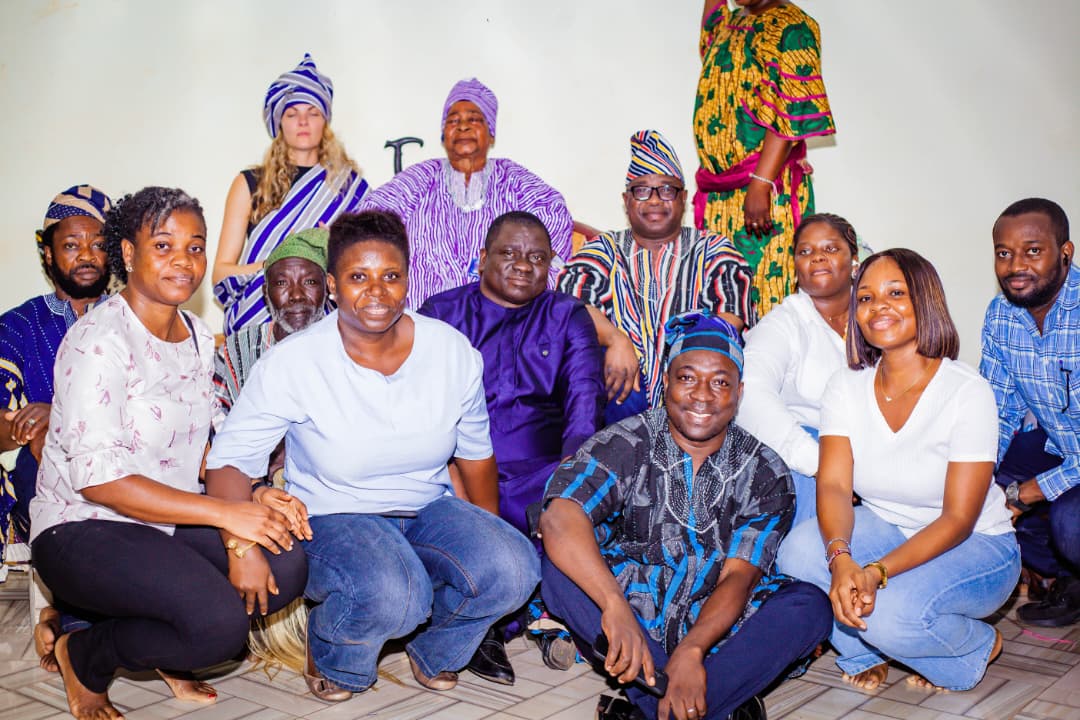
Accra, July 30 – In a strategic move to amplify climate action at the local level, Mr. Seidu Issifu, the Minister of State for Climate Change and Sustainability, has paid a courtesy call on Poanaa Ayishetu Abdulai Shinga I, the Paramount Queen Mother of the Samini Traditional Area. The engagement, part of a broader regional tour, underscores the government’s commitment to fortifying collaboration between state institutions and traditional leadership to address the urgent and escalating threats posed by climate change.
A Strategic Tour to Empower Local Climate Action
The Minister’s visit to the Samini Traditional Area was the latest in a series of engagements aimed at deepening partnerships with traditional authorities across northern Ghana. This initiative aligns with the government’s broader strategy to integrate climate resilience into local governance structures, ensuring that communities are better equipped to mitigate risks, adapt to environmental shifts, and sustain livelihoods in the face of climate variability.
Speaking during the courtesy call, Mr. Issifu highlighted the indispensable role of traditional institutions in mobilizing communities, fostering environmental consciousness, and driving sustainable development. He emphasized that while climate change impacts—such as frequent droughts, erratic rainfall, and land degradation—are increasingly disrupting lives and economies, no single entity can combat these challenges alone.
Strengthening Climate Governance at the Local Level
A key focus of the Minister’s discussions was the establishment of dedicated climate change units within Metropolitan, Municipal, and District Assemblies (MMDAs). Such units, he argued, would enhance coordination, improve resource allocation, and embed climate action into local development planning.
“By integrating climate considerations into our governance frameworks, we can ensure that communities are not just reacting to climate shocks but are proactively building resilience,”
Mr. Issifu stated.
He further explained that localized climate governance would enable communities to:
– Identify and assess climate vulnerabilities with greater precision.
– Implement targeted resilience measures, such as drought-resistant crop varieties, sustainable water management, and reforestation initiatives.
– Promote sustainable livelihoods by aligning economic activities with environmental sustainability.
The Paramount Role of Traditional Leaders in Climate Advocacy
The Minister reaffirmed that traditional leaders remain pivotal in raising awareness and fostering behavioral change within their communities. From promoting afforestation drives to enforcing environmental regulations, these leaders wield significant influence in shaping ecologically responsible practices.
“Traditional authorities are not just custodians of culture—they are catalysts for change,” Mr. Issifu remarked. “Their involvement is critical in ensuring that climate action is not just top-down but deeply rooted in community values and traditions.”
The courtesy call also served as an opportunity to reinforce the synergy between state and traditional governance in advancing Ghana’s national climate agenda. By leveraging the authority and trust traditional leaders command, the government aims to accelerate grassroots adoption of climate-smart practices, from soil conservation techniques to renewable energy adoption.
A Call for Collective Action
As Ghana grapples with increasing climate-related disasters, the Minister’s engagement with the Samini Paramount Queen Mother symbolizes a shift toward inclusive, community-driven solutions. By bridging the gap between policy and practice, this collaboration seeks to ensure that no community is left behind in the fight against climate change.
The visit follows a regional tour that has already included interactions with other traditional leaders and local assemblies, reinforcing the government’s commitment to decentralized climate governance. With climate change posing existential threats, such partnerships are not just strategic—they are essential for securing a sustainable future for Ghana’s communities.
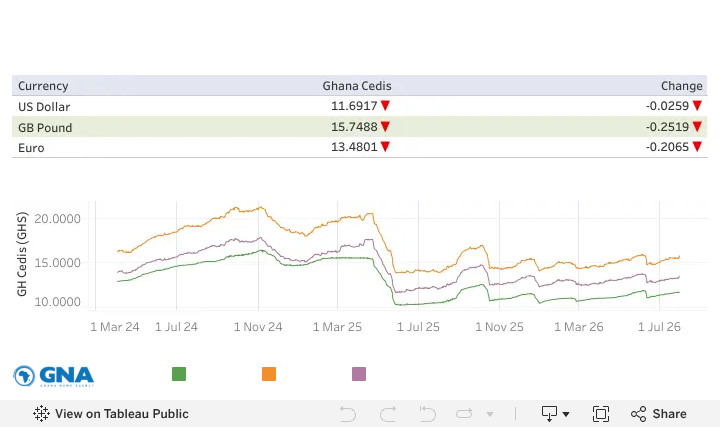
Minister of State for Climate Change and Sustainability, Mr. Seidu Issifu, during a courtesy call with the Samini Paramount Queen Mother.
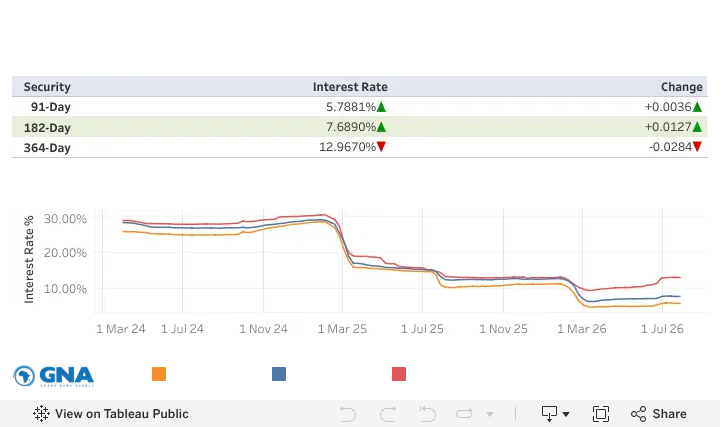
Traditional leaders and local stakeholders discussing climate resilience strategies during a community engagement session.
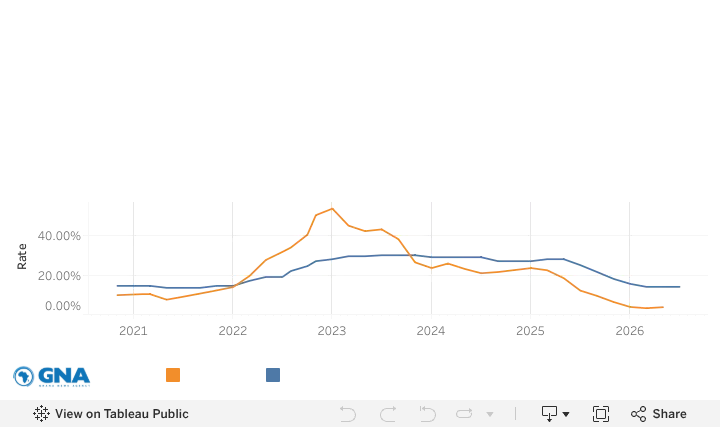
A community-led reforestation project in the Samini Traditional Area, highlighting local efforts in climate adaptation.
