


Ghana’s Ministry of Education has announced a decisive commitment to dismantle the country’s long-standing double-track system in secondary education within the next 24 months, marking a significant shift in the nation’s educational policy. The move, backed by a $300 million World Bank facility, aims to transform secondary school infrastructure and enhance learning conditions to ensure a seamless, uninterrupted academic calendar for students.
A Strategic Overhaul of Secondary Education Infrastructure
The government’s decision follows years of criticism over the double-track system, where students are divided into two groups—A and B tracks—to accommodate overcrowding in classrooms. This system has resulted in reduced instructional hours, compromised teacher-student interaction, and an overall decline in educational quality.
The World Bank loan, specifically earmarked for secondary education infrastructure, will fund critical upgrades, including:
– Expansion of classroom space to accommodate all students simultaneously.
– Modernization of school facilities to meet contemporary educational standards.
– Enhancement of teaching and learning environments to optimize student engagement.
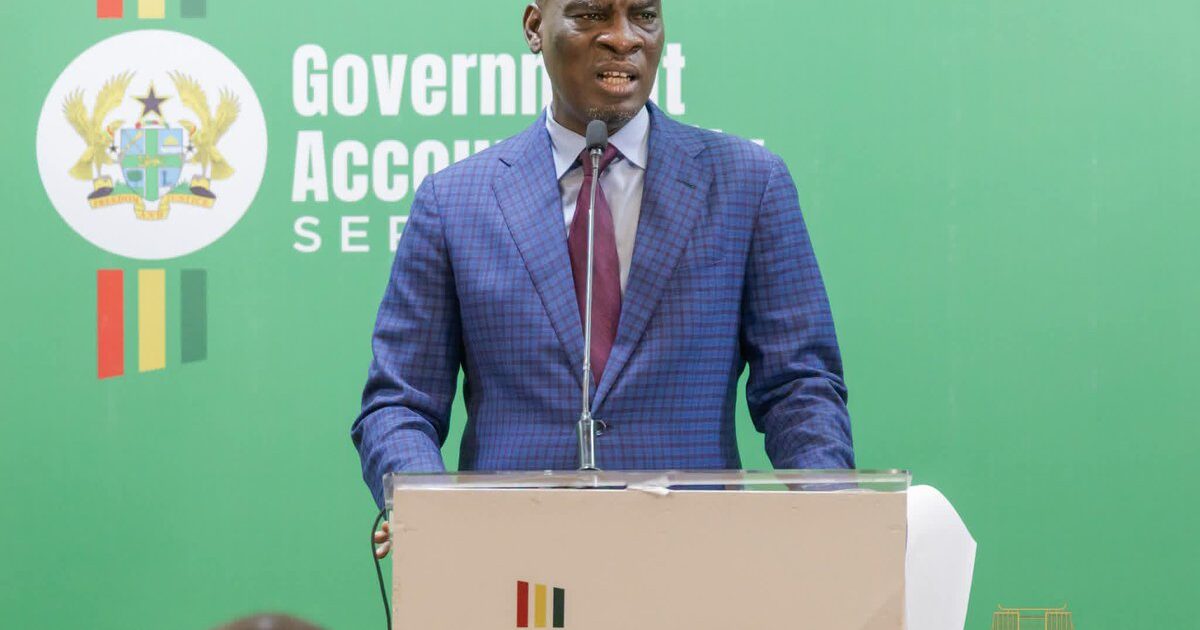
Education Minister Haruna Iddrisu emphasized during an interview on Channel One TV (July 27, 2024) that the funding is exclusively for infrastructure development, not the Free Senior High School (Free SHS) programme. He clarified that secondary education existed before the Free SHS initiative, and the reforms are designed to permanently eliminate the double-track system rather than sustain it.
Addressing Infrastructure and Learning Challenges
Beyond physical infrastructure, the government is implementing comprehensive reforms to improve secondary education, including:
- Student Welfare and Feeding Programs
-
A GH¢3.4 billion allocation from the Ghana Education Trust Fund (GETFund) in 2026 will bolster the Free SHS feeding scheme, ensuring students receive nutritious meals daily.
-
Teacher Professionalism and Curriculum Review
- Efforts are underway to strengthen teacher training programs, ensuring educators are better equipped to deliver high-quality instruction.
-
The curriculum will undergo a thorough review, with a stronger emphasis on STEM (Science, Technology, Engineering, and Mathematics) and Information Technology (IT) to align with global educational trends and economic demands.
-
Pilot Successes and Nationwide Implementation
- Some of Ghana’s most prestigious schools, including Prempeh College and St. Peter’s Senior High School, have already begun transitioning away from the double-track system.
- The government expects these pilot programs to serve as benchmarks for nationwide implementation, ensuring a smooth and equitable shift across all senior high schools.
Political and Economic Considerations
Critics, particularly the Minority in Parliament, have questioned the timing and purpose of the World Bank loan, suggesting it may be indirectly funding the Free SHS programme rather than addressing infrastructure gaps. However, the government has reiterated its stance, asserting that the loan is exclusively for educational infrastructure and not a substitute for fiscal responsibility.
Minister Iddrisu dismissed concerns about economic management, stating:
“We are borrowing to expand secondary education infrastructure. The double-track system has been a long-standing issue, and we have conducted a thorough review. This reform is here to stay.”
He further noted that the reduction in teacher-student contact hours under the double-track system has negatively impacted learning outcomes, and the new reforms are intended to restore a full academic calendar for all students.
Long-Term Vision for Ghana’s Education Sector
The government’s 24-month timeline reflects an urgency to resolve a decades-old educational challenge that has hindered student progress and teacher efficiency. By eliminating the double-track system, Ghana aims to:
– Increase instructional time for students.
– Improve teacher-student ratios, fostering better mentorship.
– Enhance academic performance through structured, uninterrupted learning.
– Prepare students for future economic opportunities by strengthening STEM and IT education.
As implementation progresses, the government will continue to monitor progress, ensuring that infrastructure upgrades, curriculum reforms, and teacher training align with the overall goal of a transformed secondary education system.
This bold initiative not only addresses immediate educational bottlenecks but also positions Ghana’s secondary education sector for sustainable growth, aligning with global best practices in learning and development.
